






Hashimoto's Treatment Columbus, Ohio
Personalized Autoimmune Care That Goes Beyond the Prescription
You’ve been told your thyroid tests look “normal,” yet you still feel exhausted, foggy and completely off. If this sounds familiar, you may be one of the many people living with undiagnosed or undertreated Hashimoto’s thyroiditis. Our functional medicine team specializes in Hashimoto’s treatment in Columbus, Ohio, using comprehensive testing and personalized care to uncover what conventional medicine often misses.
Clinical Insights About Hashimoto’s Thyroiditis
- What It Is: Hashimoto’s thyroiditis is a chronic autoimmune condition in which the immune system mistakenly attacks the thyroid gland, impairing its ability to produce the hormones that regulate metabolism, energy and mood.
- Common Symptoms: Persistent fatigue, unexplained weight gain, brain fog, hair thinning, cold intolerance and depression.
- Who It Affects: Hashimoto’s affects women at a rate seven to ten times higher than men. It can develop at any age but most frequently during periods of significant hormonal change — including menopause, perimenopause, postpartum recovery and puberty.
- Functional Medicine Care: Rather than relying on a single TSH reading, functional medicine uses advanced thyroid antibody testing, gut health assessments and hormone panels to identify the underlying drivers of Hashimoto’s before building a treatment plan.

Meet Colleen Bush, RDN
Your Hashimoto’s Specialist Who Understands — Firsthand
Colleen Bush, RDN, LDN, IFNCP, is a registered functional dietitian in Columbus, Ohio, specializing in gut health optimization, hormone-informed nutrition and the dietary management of autoimmune conditions. She brings something to Hashimoto’s care that no credential can teach: she has Hashimoto’s herself, giving her firsthand insight into the fatigue, the frustration and the gaps that patients encounter before finding the right support.
Colleen’s approach is practical, personalized and rooted in the belief that the right nutritional interventions can meaningfully shift the trajectory of your health.
A More Personalized Plan
What A Hashimoto's Treatment Plan May Consist Of

Functional Nutrition Therapy
Food is a powerful lever in Hashimoto's management.
Colleen collaborates with you to build an anti-inflammatory, nutrient-dense plan that reduces immune system activation, supports thyroid function and addresses common dietary triggers (like gluten, lactose and other food sensitivities) that quietly fuel symptoms.

Hormone Optimization
Thyroid hormones don't operate in isolation.
Estrogen, progesterone, cortisol and testosterone all influence how your thyroid functions and how you feel. Our functional medicine team evaluates your full hormonal picture (not just one hormone’s levels) to ensure treatment accounts for every layer of your endocrine health.

Gut Health Assessment & Repair
Research consistently links gut health to autoimmune activity.
Conditions like small intestine bacterial overgrowth (SIBO), increased intestinal permeability and chronic gut inflammation can all drive Hashimoto’s flares. We use advanced gut testing to identify and address these underlying contributors.

Targeted Supplementation
Certain nutrients play a vital role in thyroid and immune function.
We use lab work, not guesswork, to identify deficiencies and build a supplement protocol that is specific to your results and your goals — especially if obtaining the amount of nutrients necessary is not possible through diet. These often include selenium, Vitamin D, Vitamin B and zinc.
Understanding Hashimoto’s Testing
Diagnosing Hashimoto’s accurately requires more than a standard TSH reading. In conventional medicine, a TSH result that falls within the “normal” range is often used to rule out thyroid dysfunction entirely. But TSH alone cannot detect the autoimmune activity that defines Hashimoto’s.
A comprehensive functional medicine thyroid panel may include:
- TSH — baseline thyroid function marker
- Free T4 + Free T3 — active and inactive thyroid hormone levels
- Reverse T3 — assesses conversion issues between T4 and T3
- Anti-TPO Antibodies — the primary marker for Hashimoto’s autoimmune activity
- Anti-Thyroglobulin Antibodies (TgAb) — secondary autoimmune marker
- Vitamin D — deficiency is closely associated with worsened autoimmune activity
- Adrenal & Sex Hormone Panel — cortisol, estrogen, progesterone and testosterone in context
- GI-MAP or Equivalent Gut Assessment — evaluates the gut-thyroid-immune axis
- Food Sensitivity Testing — gluten and celiac screening in particular
Clinical Note: Tests are subject to refinement based on your health history. Colleen and our functional medicine team determine which are most appropriate during your consultation.

Frequently Asked Questions About Hashimoto's Thyroiditis
-
Hashimoto’s thyroiditis is a chronic autoimmune disease in which the immune system attacks the thyroid gland, progressively reducing its ability to produce thyroid hormones. It is the leading cause of hypothyroidism in the United States and affects millions of people, the majority of whom are women.
Because symptoms develop gradually and overlap with many other conditions, Hashimoto’s is frequently underdiagnosed or misattributed for years before a correct diagnosis is made.
-
Hypothyroidism is a condition, an underactive thyroid that produces insufficient hormone. Hashimoto’s is a cause, an autoimmune attack on the thyroid that can eventually lead to hypothyroidism.
Not everyone with hypothyroidism has Hashimoto’s, and not everyone with Hashimoto’s has progressed to hypothyroidism yet. The distinction matters because treating the hormonal deficiency without addressing the underlying autoimmune activity leaves a significant part of the issue unresolved.
-
Both Hashimoto’s and Graves’ disease are autoimmune thyroid conditions, but they push the thyroid in opposite directions. Hashimoto’s slows thyroid function down, leading to hypothyroidism. Graves’ disease accelerates it, causing hyperthyroidism, resulting in almost opposite symptoms like rapid heart rate, weight loss, heat intolerance and anxiety.
The antibodies involved are also different, though both require accurate antibody testing to diagnose properly.
-
There is currently no known cure for Hashimoto’s thyroiditis. However, with the right functional medicine care, many patients experience significant symptom reduction, stabilized antibody levels and a meaningfully improved quality of life.
The goal is not to mask symptoms with medication alone, but to reduce the autoimmune burden through nutrition, gut health, hormone balance and targeted supplementation. This gives your body the best possible environment to function well.
-
A Hashimoto’s-supportive diet is anti-inflammatory, nutrient-dense and tailored to the individual. For many patients, that means reducing or eliminating gluten and dairy, prioritizing selenium-rich and iodine-balanced foods, while also focusing on whole foods that support gut integrity and reduce immune activation.
There is no single “Hashimoto’s diet” that works for everyone. Food sensitivity testing helps identify specific triggers, and working with a functional dietitian like Colleen ensures your plan fits your biology, busy schedule and your lifestyle.
-
TSH can appear within the normal reference range even when Hashimoto’s is actively progressing. This happens because TSH only measures the pituitary’s signal to the thyroid, not the autoimmune antibody activity that defines the disease. Thyroid peroxidase antibodies (anti-TPO) and thyroglobulin antibodies (TgAb) are what confirm Hashimoto’s, and conventional workups frequently skip these tests.
If your TSH is “normal” but your symptoms persist, antibody testing is the next step.
-
Yes. Having one autoimmune condition increases the likelihood of developing others. Hashimoto’s is commonly associated with rheumatoid arthritis, lupus, Type 1 diabetes, celiac disease and Sjögren’s syndrome, among others.
This is part of what makes the functional medicine approach advantageous: addressing the systemic immune dysregulation, gut health and inflammatory load that drive autoimmunity broadly (not just the thyroid in isolation) is essential for long-term wellness.
-
- Conventional Medicine: Typically begins and ends with levothyroxine — a T4 replacement medication that addresses the hormonal deficiency but does nothing to slow or address the autoimmune attack on the thyroid.
- Functional Medicine: Goes deeper by identifying what is driving the immune dysfunction in the first place: gut permeability, food sensitivities, nutrient deficiencies, hormonal imbalances and environmental triggers are all evaluated and addressed.
Many patients find that this broader approach reduces symptom burden in ways that medication alone never did.
-
Our providers are currently licensed to serve patients only in Ohio. That said, if you are located anywhere in the state, telehealth appointments are available for functional medicine consultations, so you don’t need to be in Columbus to get started and live better!
For those outside of Ohio, we maintain a trusted network of qualified care providers across the country and are happy to point you in the right direction.
-
No. We offer functional medicine services on a self-pay basis, as many of the comprehensive testing panels and personalized care plans we provide are not covered within the strict confines of standard insurance.
That said, HSA/FSA plans can be leveraged to cover costs.
We encourage patients to check with their provider regarding reimbursement eligibility for specific labs or services. Our team is happy to discuss costs and care options during your initial consultation.
Are You Ready For Real Relief?
Your quality of life and comfort shouldn’t be defined by your symptoms. We invite you to schedule your discovery call with our Hashimoto’s specialists in Columbus, Ohio, and start feeling like the best version of yourself again.
From Our Health Experts

Read More Do Gut Health Supplements Work?
Do Gut Health Supplements Work?
Discover which gut health supplements actually work, which ones you should avoid & how you can heal your gut from the inside out.
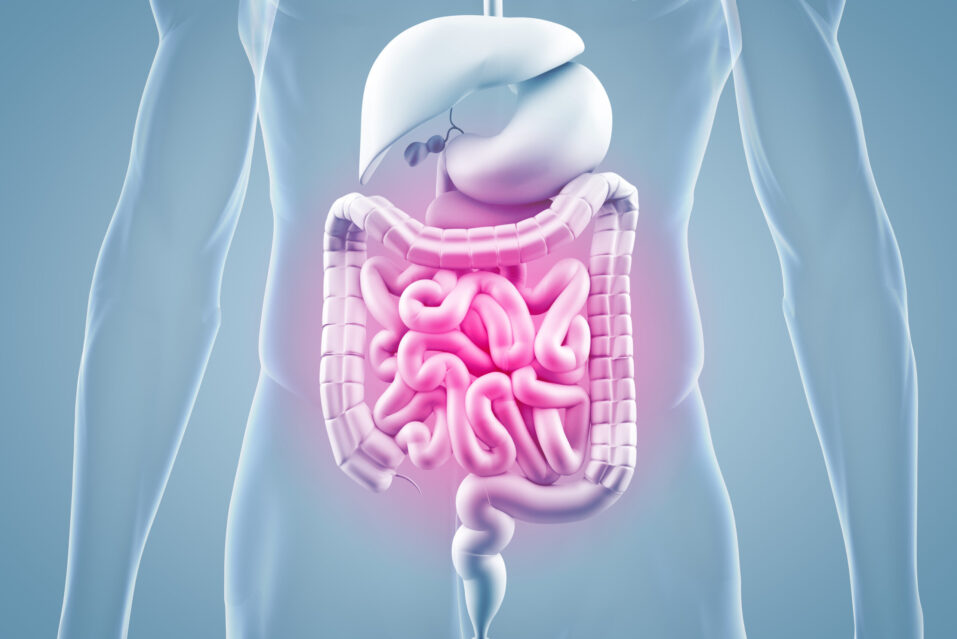
Read More Leaky Gut Syndrome
Leaky Gut Syndrome
Leaky Gut Syndrome, characterized by increased intestinal permeability, is a condition that can have far-reaching consequences on health if left unaddressed.

Read More Midwest Vitamin Deficiencies
Midwest Vitamin Deficiencies
Midwesterners face unique nutrient deficiencies, each of which can contribute to physical & mental health complications. Learn about these deficiencies, along with how to identify & address them.