





By Dr. Marguerite Weston |
Functional Medicine vs. Naturopathic Medicine
A Shared Whole-Health Mission With Different Approaches

The concept of “wellness-focused” care is more visible than it arguably ever has been. But with that increase in visibility comes a fair amount of confusion. As more patients seek alternatives or complements to conventional healthcare, terms like functional medicine vs. naturopathic medicine are used in the same breath, sometimes even interchangeably.
These two approaches to comprehensive health share a philosophy rooted in whole-person care, but the training, tools and clinical frameworks behind each are meaningfully different.
Before We Compare: A Note on Terminology
Not everyone using these terms means the same thing, and that distinction matters as we move forward.
In the naturopathic world, a “naturopathic doctor (ND)” has completed a four-year accredited naturopathic medical program and passed the NPLEX board exams. A “naturopath,” by contrast, may have no formal medical training whatsoever. The titles sound nearly identical, but the gap in preparation between them can be significant.
The same issue exists in functional medicine, arguably more so. “Functional medicine” is not a protected term. A chiropractor, a health coach, a life coach or an RN can all market themselves as a functional medicine provider without any additional credentialing.
The “Letters” Matter; Look for Them
When we refer to functional medicine practitioners throughout this article, we mean licensed clinicians (MDs, PAs, NPs, MSNs and RDNs) who have pursued formal functional medicine certification through a recognized body like the Institute for Functional Medicine (IFM).
Key Clinical Takeaways
- Credentialing Differences: Functional medicine practitioners (licensed MDs, PAs, NPs, MSNs & RDNs) hold active medical licenses in their primary specialty before pursuing additional functional certification; naturopathic doctors complete a separate four-year accredited program, though licensure requirements & scope of practice vary significantly by state.
- Distinct Approaches: Functional medicine is often designed to integrate directly with a patient’s existing conventional care team; depending on state licensure, naturopathic doctors may also serve as primary care providers.
- Modalities Employed: Naturopathic medicine may incorporate acupuncture, hydrotherapy & soft-tissue manipulation alongside dietary interventions; functional medicine leans more heavily on advanced diagnostics, lab testing & evidence-based protocols.
A Note on the Term “Provider”: Both “functional medicine provider” and “naturopath provider” are loosely applied terms that carry no inherent credential requirement or formal medical training. When evaluating any whole-health practitioner, look for specific licensure abbreviations — MD, PA-C, BSN, NP, MSN, RDN — and ask whether the functional medicine certification was obtained through a recognized body such as the IFM.
Credentialing & Training
What Training Is Needed to Become a Certified Functional Medicine Provider?
Functional medicine is practiced by licensed clinicians, including physicians, nurse practitioners, physician assistants and registered dietitians. These practitioners layer additional functional medicine training and certification onto their existing medical credentials.
The Institute for Functional Medicine (IFM) is widely regarded as the gold standard for this training, offering a rigorous certification pathway that requires both foundational coursework and demonstrated clinical application. Because functional practitioner are already credentialed in their primary specialty, they bring the full scope of conventional medical knowledge and, oftentimes, traditional healthcare experience with them.

How Do These Requirements Differ from What Is Needed to Become a Naturopathic Doctor?
Naturopathic doctors (NDs) complete a four-year naturopathic medical program at an accredited institution, which covers many of the same foundational sciences as conventional medical school. Many also complete a residency, though this requirement varies by program. They must also pass the NPLEX board exams.
Licensure requirements vary significantly from state to state. In some states, NDs can practice as primary care providers, while in others, their scope of practice is considerably more limited. Additionally, state-specific jurisprudence exams are necessary to be able to practice naturopathic medicine.
Clinical Note: In states without naturopathic licensure laws (including Ohio), the titles “naturopath” and “naturopathic doctor” carry no state-regulated protection. Anyone can use them.
“‘Doing your own research’ goes far beyond Googling symptoms. When you’re ready to look for a practitioner that exists outside of the conventional sphere, really get in there! Track their credentials. See if they have any interviews online. Find a list of courses they’ve completed & see if they align with what you believe you need at this time. Your care should not be limited by whoever happens to be in the room. The approach should align with what you believe is best for your health”-Marguerite Weston, MD-IFMCP
Ohio Patients: This Distinction is Especially Relevant
Ohio does not currently license naturopathic doctors. This means the title carries no state-regulated protection. Without the ability to formally diagnose or prescribe, the clinical scope of a naturopathic practitioner in this state is meaningfully limited.
Introduced in 2025, Ohio Senate Bill 385 would establish a formal licensure framework for naturopathic medicine in the state. It would also establish felony penalties for individuals who practice naturopathic medicine or claim to be a licensed naturopathic physician without the proper state credentials.
This landscape may soon change, but in the meantime, Ohio patients should ask direct questions about where and how any practitioner they’re considering is credentialed.
Where Functional Medicine & Naturopathic Medicine Overlap
Functional medicine and naturopathic medicine have their differences, but share a meaningful amount of common ground. The most notable core tenet is a commitment to finding the root cause of a health concern rather than managing symptoms in isolation.

MORE INSIGHT
What Functional Medicine Does That Naturopathic Medicine Typically Doesn't

Advanced Diagnostic Testing
Specialized testing (such as hormone panels, GI mapping, food sensitivity assessments, trace element analysis & more) hand-picked to build a precise, data-driven picture of health before curating a custom plan.

Pharmaceutical Prescribing
Licensed functional medicine practitioners can prescribe medications when appropriate, bridging the gap between conventional and root-cause care.

Integration with Conventional
Functional medicine is designed to work alongside a patient’s existing care team, not replace it; this allows lab results, referrals & treatment updates to move fluidly between practitioners.

Evidence-Based Supplementation
While both approaches may use supplements, functional practitioners apply them within a clinical framework grounded in diagnostics & peer-reviewed research when diet alone cannot achieve the optimal health impact.
What Naturopathic Medicine Does That Functional Medicine Typically Doesn’t
- Hydrotherapy Services: The therapeutic use of water (often through contrast baths, compresses or other applications) to support circulation, recovery & detoxification.
- Homeopathy & “Law of Minimal Dose”: A system based on the principle that highly diluted substances can stimulate the body’s natural healing response; it’s a distinct modality not typically employed in functional medicine.
- Botanical Medicine as a Primary Protocol: While functional medicine may incorporate herbal support, naturopathic medicine often places botanical treatments more centrally in the care plan.
- Physical Manipulation Therapies: Some naturopathic practitioners are trained in soft tissue, acupuncture & spinal manipulation as part of a broader scope of practice.
Clinical Note: The list above reflects typical scope differences, though ND capabilities vary significantly depending on state licensure.
How Both Approaches Compare to Traditional Healthcare
Conventional medicine excels at acute care, diagnostics and disease management. Both credentialed functional medicine practitioners and naturopathic doctors ask a different question: why is this happening in the first place?
This shift in framing (from symptom suppression to root-cause investigation) is what draws many patients toward these approaches, often after years of feeling like something important was being missed.
One key distinction is that functional medicine keeps one foot firmly planted in the conventional world, which means patients don’t have to choose between science-backed clinical tools and a more personalized, whole-person framework.
“I always say ‘conventional medicine is vital to a healthy society.’ But I’ve also been in that world for much of my career. I’ve experienced some of the inherent limitations that exist when a health situation is more complex than a lab result that technically falls within ‘normal’ levels, but you still don’t feel good. That’s where functional medicine steps up.”-Marguerite Weston, MD-IFMCP
About The Author
Dr. Marguerite Weston is the Director of Functional Medicine at Donaldson and one of the few practitioners in Columbus, Ohio, who is both dual board-certified (in Family Medicine and Sports Medicine) and holds the IFM Certified Practitioner (IFMCP) credential. She brings more than 20 years of clinical experience to each patient relationship, along with a firsthand understanding of what it means to navigate a healthcare system that doesn’t always have the right answers.
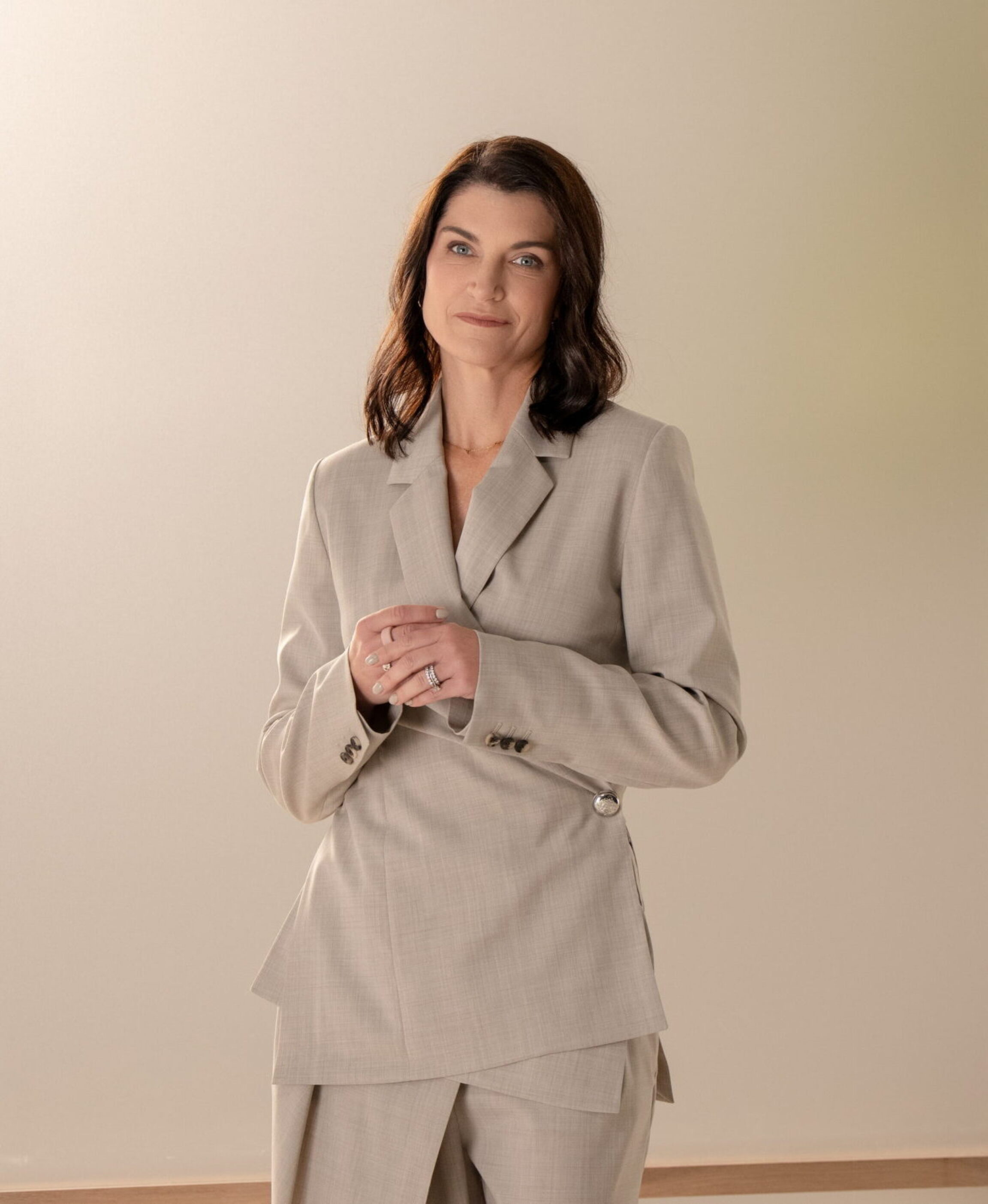
“The term ‘functional medicine’ is still like the Wild West. Our goal is to give it a proper definition to help patients know what to look for when seeking this elevated level of care. We don’t want anyone settling for anything less than the greatest care possible. Credentialed functional medicine doctors and practitioners can provide that level of care.”-Marguerite Weston, MD-IFMCP
Related Articles

Read More Episode 17: Labiaplasty Explained: Recovery, Technique & When To Consider It
Episode 17: Labiaplasty Explained: Recovery, Technique & When To Consider It
Dr. Sieffert answers the questions women actually search for — in a way that only she can! No judgment or clinical distance. Just straight answers about this sensitive, yet powerful, procedure.

Read More What Health Factors Cause Professional Burnout
What Health Factors Cause Professional Burnout
Tricia Granchi, MSN, uncovers the underlying aspects of health & lifestyle decisions that may contribute to greater professional burnout & workplace turnover.

Read More An Expert Look at Hannah Berner’s Masseter Botox Video
An Expert Look at Hannah Berner’s Masseter Botox Video
Paige Brudzinski, RN, breaks down the science behind what actually caused Hannah's "frozen smile," along with how experienced injectors keep it from happening in the first place.