





By Jillian Birkle |
Episode 16: “Why Am I Always So Tired?” We Know. Here’s Why.
The Science Behind Bad Sleep — & What You Can Actually Do About It

You don’t have to hear it from us. You already know you’re not sleeping well! But you probably don’t know why, and just how many other aspects of your life are being affected by that “why.”
Joining host Jillian Birkle to unpack the science of sleep are Dr. Marguerite Weston, MD, IFMCP, Courtney Gilbert, PA-C, and Colleen Bush, RDN, LDN, IFNCP.
This episode is for those who wake up at 3 a.m. for no clear reason, the ones who can’t fall asleep no matter how tired they are, the women trying to navigate menopause with as much grace as they can and anyone who has been told they’re “fine” while running on empty.
Quick Takes From This Episode
-
Poor sleep drives an average of 300 to 550 extra calories consumed per day. And as the squad puts it: if you’re waking up at that time, you’re most likely not putting together a nutrient-dense salad.
-
It’s probably not your bladder doing the waking. Cortisol spikes drive micro-arousals through the night that pull you out of sleep. A DUTCH test can show you exactly when and why it’s happening, allowing you to figure out what to do next to address it.
-
Most people are taking it wrong. Too much, too late and right before bed instead of more than an hour before. Melatonin is meant to tell your brain that sleep is approaching, not knock you out on contact.
-
You cannot “out-supplement” bad sleep habits. Dr. Weston won’t even try. If sleep isn’t where it needs to be, no stack of supplements is going to close that gap. She isn’t afraid to say it directly!
-
A GI-MAP test that shows bacterial imbalance is as much a sleep story as it is a digestive one. You don’t need bloating or GI symptoms for gut dysbiosis to be disrupting your rest.
-
Cut your sleep short and you’re cutting the most restorative hours. Seven hours starting at 1 a.m. is not the same as seven hours starting at 10 p.m. Timing and consistency matter as much as the total.
-
The glymphatic system (aka your brain’s internal waste clearance network) doesn’t fully activate until you’ve been asleep for at least five hours. Amyloid plaques, brain fog and long-term dementia risk are all downstream of this.
-
Cognitive behavioral therapy (CBT) for insomnia consistently outperforms pharmaceuticals in research. The best part? It comes with zero side effects and grogginess the next day. It’s also one of the most underutilized tools in sleep medicine.
-
What you do within the first 30 minutes of waking has a direct impact on how well you sleep that evening. Light exposure in the morning is one of the simplest, most evidence-backed tools for resetting your circadian rhythm. Keep those blinds cracked or consider some of those fancy ones that open up before your alarm goes off!
-
Disrupted sleep is both a symptom of hormonal change and a factor that accelerates it. Egg quality & fertility. Libido. Perimenopause and hot flashes. Treating one symptom without addressing the root cause is working with half the picture.
Hear Something That Woke Up Something Inside You?
Then let’s follow that curiosity and see where it takes us. Whether you have one question or ten, we’d love to hear what’s on your mind and help you figure out your next step.
The Questions We Cover In This Episode:
- Why does bad sleep lead to unhealthy eating?
- Do women need more sleep than men?
- Why are my hormones waking me up at 2 a.m.?
- What supplements actually help with sleep?
- What are the differences between deep sleep, light sleep & REM?
- How does menopause impact sleep?
- What is the DUTCH Test & what can it tell me about my sleep?
- When does a sleep problem become a medical concern?
The Services & Treatments We Dig Deeper Into
OUR PROVIDERS
Meet The Women In Your Corner

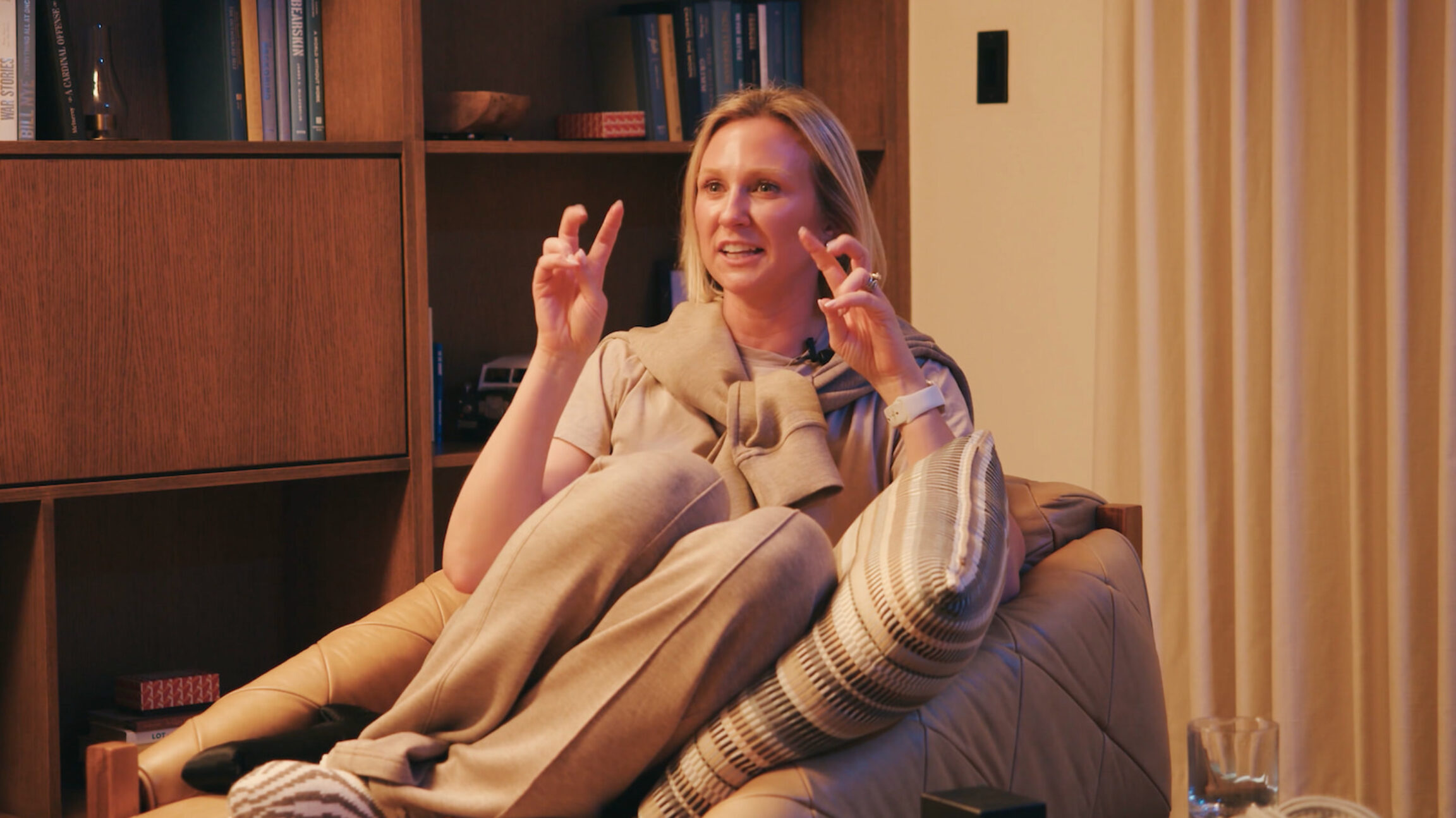
Marguerite Weston, MD, IFMCP
Functional Medicine Director
Dr. Weston is dual board-certified in Family Medicine and Sports Medicine and has spent more than 20 years at the center of both root-cause medicine and acute patient care. She brings the science, along with the kind of directness that makes you feel like you finally found a doctor who actually listens.

Courtney Gilbert, PA-C
Hormone Health & Fertility Specialist
Courtney’s background in urogynecology gives her a foundational understanding of how hormones behave across every stage of a woman’s life. She connects the dots between cortisol, melatonin, the DUTCH test and the 2 a.m. wake-ups that so many women have been told to just live with.

Colleen Bush, RDN, LDN, IFNCP
Registered Functional Dietitian
Colleen has lived the gut-health story — personally and professionally. And she brings that grounded, practical lens to everything she discusses. In this episode, she makes the case that your gut bacteria and your sleep quality are more connected than most people ever get told.

Jillian Birkle
Host, Asking For a Friend
Chronically tired, occasionally waking up at 3 a.m. and somehow still one of the brightest folks in the room, Jillian shows up to this one with her Oura ring data, complaints about her dad’s weird sleep habits and exactly zero shame about any of it.
Do Women Need More Sleep Than Men?
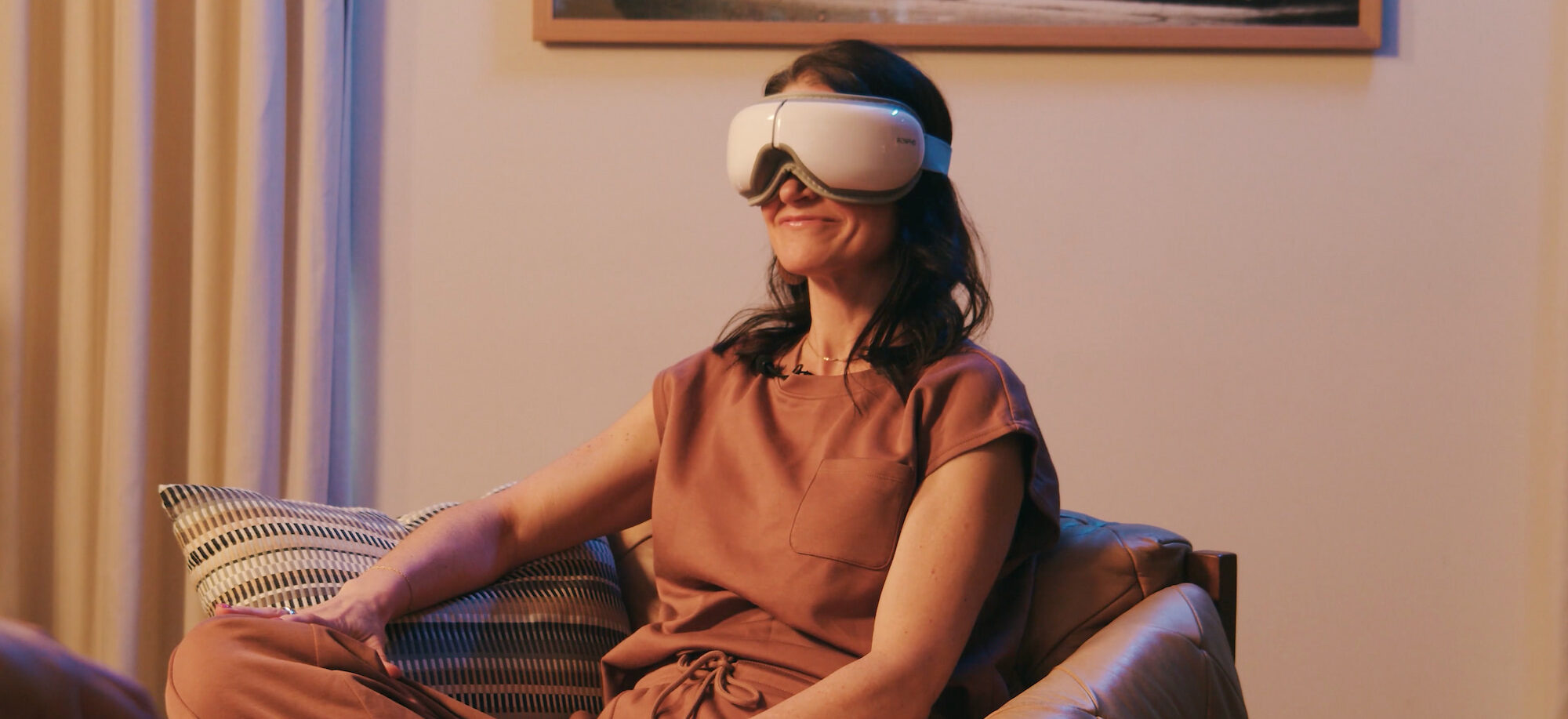
Women don’t necessarily need more sleep than men, but they have a significantly harder time getting the same quality of it. Hormonal fluctuations across the menstrual cycle, the demands of pregnancy and postpartum recovery, and a nervous system that tends to stay more activated at night all stack the deck against consistent, restorative rest.
Research suggests that women experience more fragmented sleep than men on average, particularly in the two weeks before menstruation and during perimenopause. This means that depth of sleep isn’t there, even when the total number of hours seems to be.
As Dr. Weston explains it, the need may not technically be greater, but the gap between what women need and what they actually get tends to be.
“It’s harder for us to get the same sleep throughout the month. There are these two weeks before our period that we’re not sleeping as well. And it just gets worse as we get older.”
— Dr. Marguerite Weston, MD, IFMCP, Functional Medicine Director
Why Are My Hormones Waking Me Up at 2 A.M.?
If you’re waking up in the middle of the night for no obvious reason, the answer is probably cortisol. The fix often starts with understanding what your hormones are actually doing while you sleep. At night, cortisol should be low and natural melatonin should be rising. When that relationship gets inverted, you wake up.

How Our Providers Test Hormones
The DUTCH test is a dried urine test for comprehensive hormones. It is designed to map cortisol output across the full 24-hour cycle, including overnight, giving practitioners a clear picture of where the disruption is happening and why.
For perimenopausal women, low progesterone and fluctuating estrogen often compound the issue, turning a cortisol problem into a full hormonal sleep disruption that doesn’t resolve without targeted support. Hormone therapy, when indicated, can provide profound relief from discomfort, along with mental clarity during this time.
What Supplements Actually Help With Sleep?
The experts on this episode are pragmatic about supplementation. It can support sleep, but it doesn’t replace the habits and hormonal balance that make sleep possible in the first place. With that said, here’s what they actually reach for:
- Magnesium: Supports the nervous system’s ability to downshift at night; helps regulate cortisol and activates GABA receptors that promote relaxation. One of the most consistently recommended sleep supplements in functional medicine.
- L-Theanine: An amino acid found in green tea that promotes calm without sedation; often used to reduce sleep latency and improve sleep quality without morning grogginess.
- Melatonin: Naturally occurring in the body, but often misunderstood on social media, melatonin is a signal to our body that it is time for rest. See the clinical note below because this one is more nuanced than most people realize!
- Valerian Root: An herbal option with mild sedative properties; some evidence supports its use for reducing the time it takes to fall asleep, though research is more mixed than with magnesium or L-theanine.
- Ashwagandha: An adaptogen that helps regulate the stress response and lower cortisol; not a direct sleep aid, but can meaningfully improve sleep quality in people whose sleep disruption is stress-driven.
Addressing the Common Misunderstandings About Melatonin
Melatonin is not a sedative. It’s a hormone signal that tells your brain sleep is approaching, which means both the timing and the dose matter far more than most supplement labels suggest.
The clinically relevant dose is typically between 0.5 mg and 1 mg, taken one to two hours before your intended sleep time, not 5 to 10 mg right before you close your eyes. And higher doses don’t produce better sleep; they can produce dependency at the dose along with diminishing returns.
If you’re traveling or adjusting to a new time zone, a low dose taken earlier in the evening is the more effective approach.
“It’s not meant to knock you out, as many people think it is. It’s supposed to just be more of a natural indicator, like telling your body ‘hey, it’s getting close to sleep time.’ You’re actually supposed to take it a couple of hours before bed, in a very small dose.”
— Dr. Marguerite Weston, MD, IFMCP, Functional Medicine Director

How Does Menopause Impact Sleep?
Contrary to how it may feel for many patients, menopause doesn’t make women need more sleep. What it actually does is make getting adequate sleep significantly harder. Hot flashes, night sweats, low progesterone and fluctuating estrogen all fragment sleep architecture, pulling women out of the deep and REM stages where the most restorative work happens.
Address Underlying Hormones, Not Just the Sleep Symptoms
The most effective interventions take a look at the entire picture, which definitely includes our hormones. Progesterone supplementation, in particular, has shown meaningful improvements in sleep quality for perimenopausal and menopausal women, and when cortisol dysregulation is also present, a comprehensive hormone panel helps practitioners treat both simultaneously rather than guessing.
“They need the same amount of sleep; they just can’t get it. If your hormones are low & you’re getting hot flashes, then all of a sudden you need a cold room. No one touching you. No one breathing next to you!”
— Dr. Marguerite Weston, MD, IFMCP, Functional Medicine Director
About The “Asking For A Friend” Podcast
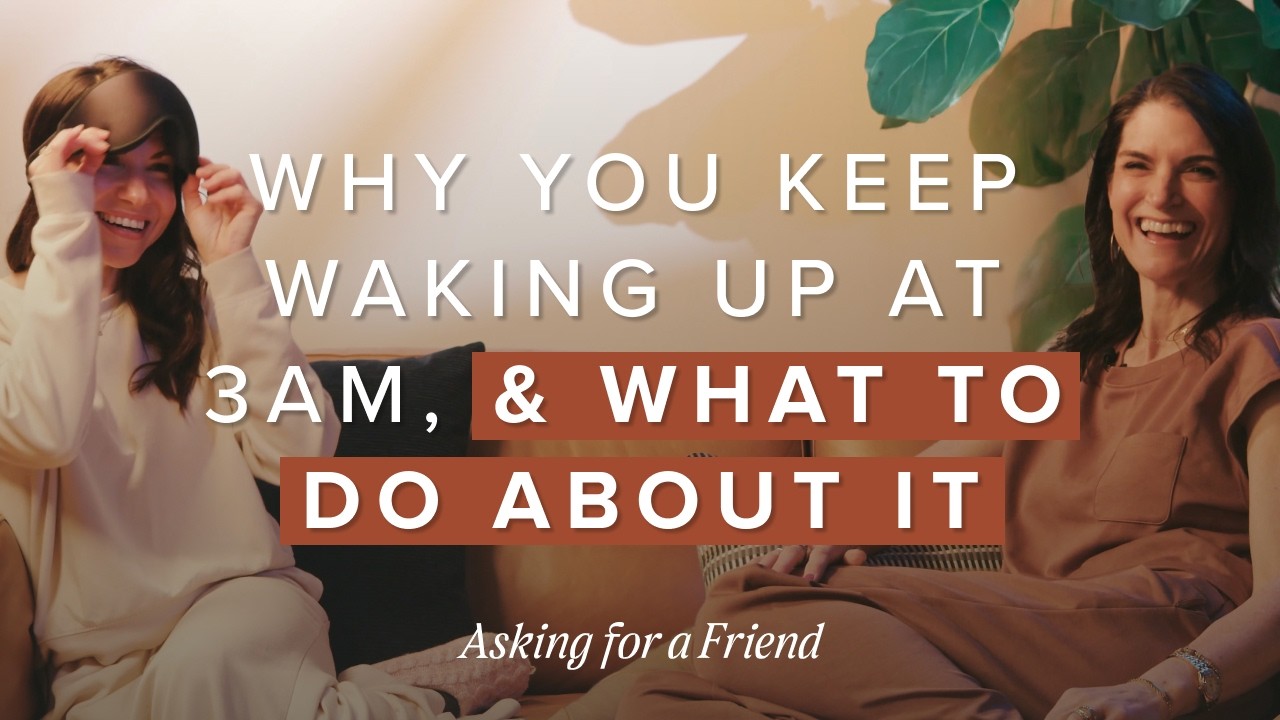
We go pretty deep into sleep cycles, hormonal disruption and the gut-sleep connection in this episode, but this podcast covers everything from functional medicine to aesthetic medicine to plastic surgery and just trying to make it through the world as a mother.
Past episodes have tackled cosmetic tattooing and laser skin care, medical weight loss and semaglutide, breast augmentation to enhance personal autonomy and the plastic surgery process from consultation to recovery. No matter which pillar of confidence you’re curious about, there’s an episode that was made with your questions in mind.
No question is off the table! Because chances are, if you’re wondering about it, so is someone else.
Subscribe On Your Favorite Platform!
- 🍎 Apple Podcasts
- 🎵 Spotify
- 🛒 Amazon Music
- ❤️ iHeartRadio
Related Articles

Read More Episode 17: Labiaplasty Explained: Recovery, Technique & When To Consider It
Episode 17: Labiaplasty Explained: Recovery, Technique & When To Consider It
Dr. Sieffert answers the questions women actually search for — in a way that only she can! No judgment or clinical distance. Just straight answers about this sensitive, yet powerful, procedure.

Read More What Health Factors Cause Professional Burnout
What Health Factors Cause Professional Burnout
Tricia Granchi, MSN, uncovers the underlying aspects of health & lifestyle decisions that may contribute to greater professional burnout & workplace turnover.

Read More Functional Medicine vs. Naturopathic Medicine
Functional Medicine vs. Naturopathic Medicine
Functional medicine & naturopathic medicine share a similar mission, but they aren't the same thing. Learn the key differences in training, modalities & approach — especially if you're in Ohio.