





By Dr. Michelle Sieffert |
Why We Don’t Do BBLs
Safer, More Effective Alternatives to the "Brazilian Butt Lift"

As a plastic surgery practice, many patients have asked why we don’t offer the Brazilian Butt Lift (BBL). After all, it is one of the most popular surgical procedures discussed across social media and popular culture.
The simple answer: the traditional BBL — as it has come to be known over the years — doesn’t adhere to our safety standards. It is an unpredictable procedure, and the most exaggerated outcomes often require unnecessary risk.
What Is A BBL – & What It Has Become to Mean Over Time
In the most basic terms, the BBL is a surgical procedure that involves a trained surgeon performing liposuction to collect existing fat from one area of the body (often the stomach, back, thighs and/or hips) and then placing it into the buttocks in an effort to improve shape, projection and all-around appearance.
This exchange is often seen as desirable because it can, in theory, remove fat from a problematic area and place it in a new area. It feels like a win-win situation for many patients.
However, over the years, the BBL has become less about conservative fat grafting and more synonymous with exaggerated proportions and unrealistic body ideals.
“I do perform fat grafting into the buttocks, but not what would be considered an industry-standard BBL. I employ more low volume fat grafting, more to enhance shape in places where patients have a lot of laxity or filling in areas that are hollow. My goal is not to transform the buttocks into something else.”
-Dr. Michelle Sieffert
The Greatest Risks of BBL Surgery
There is an inherent risk in any surgery, but it is drastically increased with traditional BBLs — especially when it comes to pulmonary embolism. The American Society of Plastic Surgeons issued a public statement in 2018 warning against the “alarming” rise in deaths and complications as a result of BBL surgeries.
“The fat that’s being grafted gets into the venous system around the buttock muscles. That fat can travel to the heart — & it kills people instantly.”
-Dr. Michelle Sieffert
At the time of the 2018 announcement, the death rate for the procedure was about 1 in every 3,000, a substantially higher rate than any other elective aesthetic surgery.
To Be Clear: Fat Grafting Can Be Safe
But only when performed by a board-certified plastic surgeon trained in this technique. Fat injections must be mainly limited to the subcutaneous area right underneath the skin. Without this level of precision and expertise, deep intramuscular migration can occur, significantly increasing the risk of pulmonary embolism.
The real problem is the modern pursuit of surgical extremes, most often an exaggerated, unnatural level of projection and volume in the buttocks and hips. Surgeons chasing exaggerated volume or projection may inject at high pressure or near dangerous anatomical zones and submuscular space.
That’s where risks compound.
“There are not veins in the subcutaneous layer. The veins are deep into the muscle. It’s very hard, when you’re operating with a cannula under the skin, to know exactly where the cannula lies — whether it’s in the subcutaneous fat or it’s deeper within the muscle.”
-Dr. Michelle Sieffert

Some BBL Surgical Methods Do Not Align with Patients’ Expectations
Industry studies estimate that 25–70% of transferred fat may be reabsorbed by the body through natural metabolic processes. This variability becomes even more pronounced when large volumes are used — as is often the case in traditional BBLs — which further reduces fat graft survival rates. With so much unpredictability, achieving consistent, long-lasting results becomes exceptionally difficult.
“You will never see a case where 100% of a fat graft survives. Some surgeons over-graft to try & compensate for reabsorption, which can lead to oil cysts or fat necrosis because there is too much fat in a place where there’s no blood supply to sustain it. When the fat dies, the immune system tries to break it down & take it away, which can calcify it, turning it into nodules”
-Dr. Michelle Sieffert
The S Curve: Dr. Sieffert’s Safer, More Sculpted Alternative
What we offer instead is a more measured, artful technique — one that reflects the natural curves of the body rather than exaggerating them. Sometimes referred to as the “S Curve,” this method of contouring the waist, flanks and hip dips through strategic, low-volume fat grafting was popularized by Dr. Ashkan Ghavami in Beverly Hills.
Dr. Sieffert has adopted and refined this approach to align with her own aesthetic principles and surgical philosophy. She uses the technique as a way to subtly enhance existing curves, not to artificially alter the body’s proportions.
“The ideal candidate for the S Curve method is someone who’s already at their goal weight & has a stubborn fat deposit. We’re not trying to drastically change anatomy, just fill in areas where it’s hard to build muscle.”
-Dr. Michelle Sieffert
Less Extremes, A More Comfortable Recovery
Dr. Sieffert performs this procedure in an outpatient setting, using meticulous fat grafting methods and treating tissue responsibly. Most patients experience a much shorter recovery window than the 8 weeks typically required after a high-volume BBL.
Another More Predictable Approach: Multiple Rounds of Low-Volume Fat Grafting
Rather than over-grafting and risking complications, some surgeons take a more conservative, safety-minded approach. This method involves grafting only as much fat as the tissue can reasonably support, understanding that a portion will naturally be lost and planning for additional rounds if necessary.
While it can be used in the context of a buttock enhancement, this technique is especially valuable in areas like the face and breasts, where over-filling can lead to aesthetic imbalances or post-operation complications. These areas are more prone to rejecting excess fat because they have thinner tissue and more limited blood supply.
Body Goals vs. Anatomical Realities
The rise of the BBL shifted expectations for what body contouring could achieve. And not always in a healthy way. Many women began to believe that any body could be reshaped into the “snatched waist, big booty” silhouette.
But the reality is: your bone structure, fat distribution and muscular anatomy all influence your shape. Those things aren’t easily changed, no matter how much liposuction is involved.
“I can’t make hip bones wider. Yes, surgery can make your rib cage smaller, but I’m personally not going do that. I’m a plastic surgeon, but I would love to see the focus shift to solidifying fitness in patients’ lives. Lifting weights. Zone 2 cardio. Looking ahead to build a stable base of athleticism.”
-Dr. Michelle Sieffert
A Word of Warning About Surgical Tourism
Leaving the country or flying out of state for cheaper, high-volume cosmetic surgery can seem tempting, but the risks are significant.
Procedures Are Not Personalized
They’re often done quickly and in bulk. This means your results may not match your vision, and you may not have access to the surgeon afterward.
Follow-Ups & Contact Become a Problem
Many patients return home with no local support system. We have heard from patients who were left alone during recovery with no way to ask questions or raise concerns.
The Stark Reality Surrounding Complications
Fat necrosis, infections and improper sterile technique have all been seen in patients returning from surgical tourism trips. The aftermath can require ER visits, drain removal, wound vacs, IV antibiotics and more.
“If you have a complication, your surgeon is in another country. You’re going to have to find a surgeon in the U.S. — & that can be expensive, imperfect or even impossible.”
-Dr. Michelle Sieffert
We Prioritize Your Confidence – & Your Safety
At Donaldson Plastic Surgery, we refrain from performing surgeries that require unnecessary risk or chase fleeting trends. Our focus is helping you feel more confident in your natural body, with methods that honor your anatomy and preserve your long-term wellbeing. While we do perform fat grafting to enhance shape, we avoid the extreme volume and exaggerated results often associated with the traditional BBL.
Your Health Deserves Care That Extends Far Beyond the Procedure
Patient safety, natural results and post-op support are our highest priorities. We often begin by connecting patients with our functional medicine team to ensure they are in optimal health before surgery. From there, we guide every step of the recovery process with 24/7 access to our team.
That level of post-operative access is vital and should be the expectation for any patient seeking any plastic surgery procedure.
About The Author
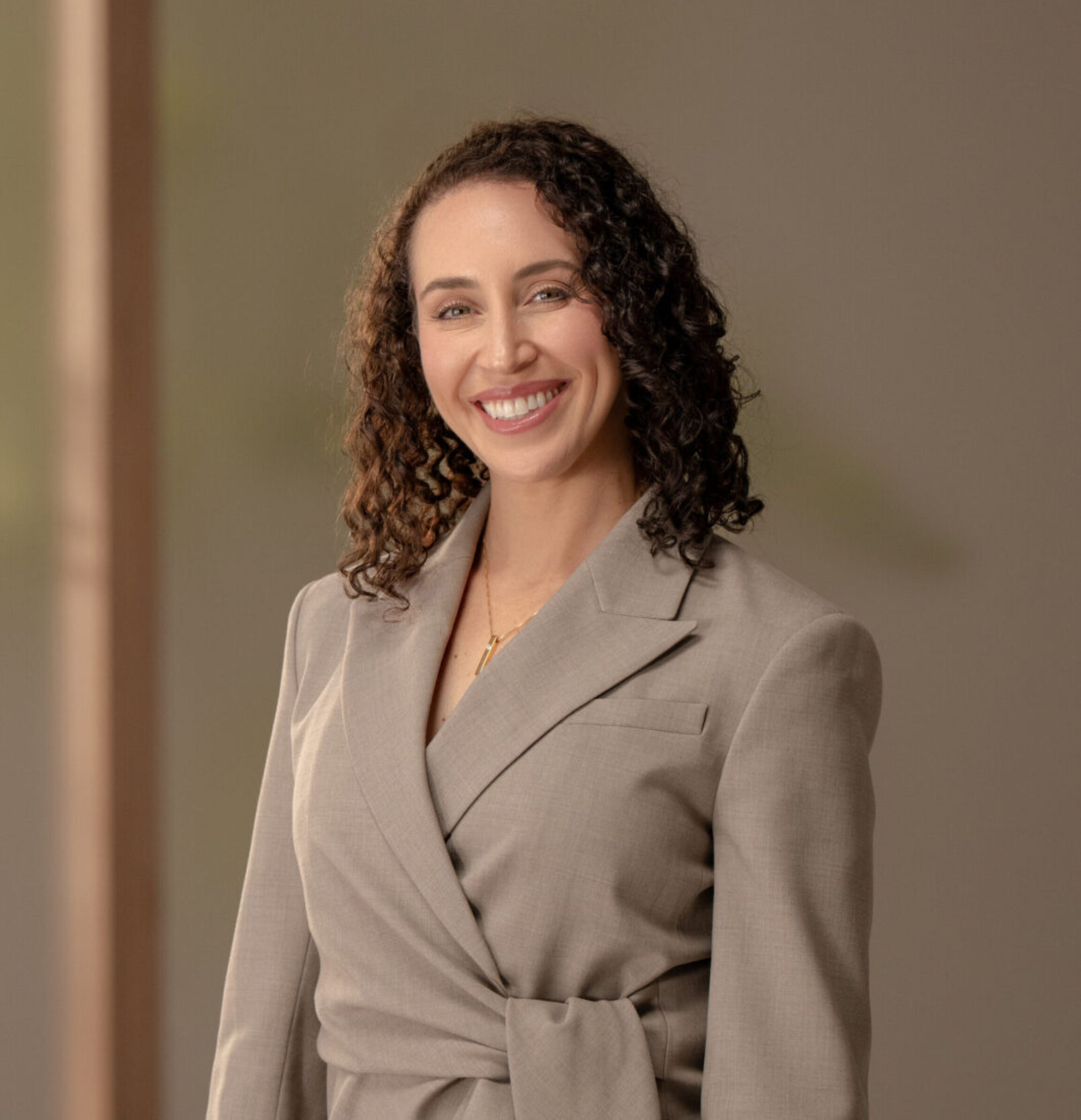
Dr. Michelle Sieffert is a board-certified plastic surgeon in Columbus, Ohio, specializing in aesthetic procedures of the body, breasts and face. She works closely with each patient to create tailored surgical plans that honor their natural anatomy and support their personal goals. Dr. Sieffert’s passion for patient education extends far beyond the consultation room, as she is dedicated to helping people everywhere make informed, empowered decisions about their health and confidence.
Related Articles

Read More Episode 6: Facial Plastic Surgery at 20, 30, 40 & Beyond
Episode 6: Facial Plastic Surgery at 20, 30, 40 & Beyond
Your favorite podcast crew highlights some of the most popular surgical procedures & nonsurgical treatments for facial rejuvenation.

Read More Average Anesthesia Fees for Plastic Surgery
Average Anesthesia Fees for Plastic Surgery
Get a closer look at what anesthesia costs per individual procedure, along with the average savings when combining procedures.

Read More Episode 5: What To Know About Tummy Tuck, Liposuction & Diastasis Recti
Episode 5: What To Know About Tummy Tuck, Liposuction & Diastasis Recti
Our experts highlight some the most overlooked & misunderstood benefits of tummy tuck, liposuction & body lift procedures.