





By Dr. Michelle Sieffert |
Episode 5: What To Know About Tummy Tuck, Liposuction & Diastasis Recti
Explore the Deeper Health Benefits of Plastic Surgery
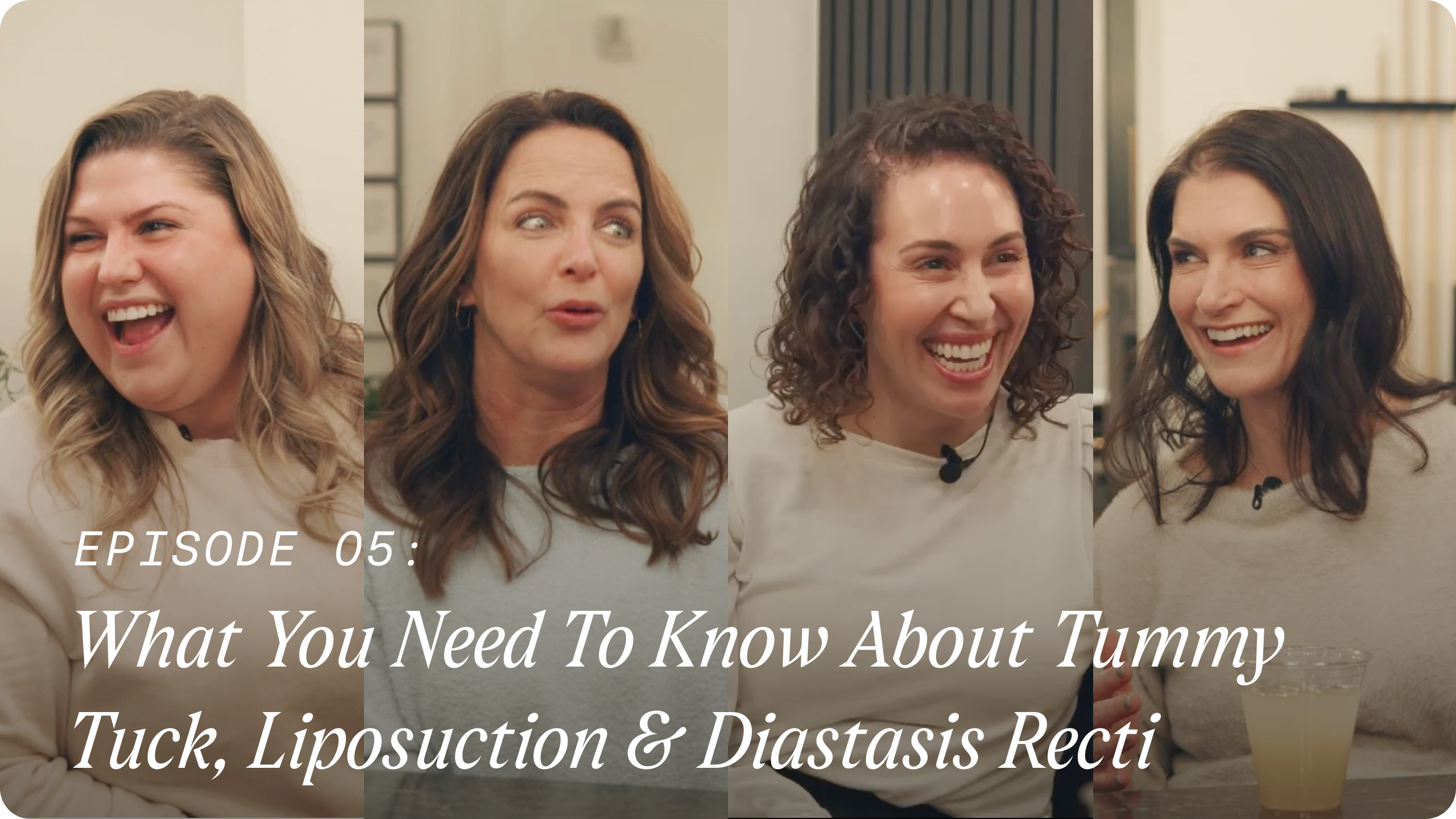
The “cosmetic” surgery you’ve been considering? There’s a good chance it also has legitimate health benefits.
In this episode of Asking For A Friend, we’re getting real about tummy tucks, liposuction and diastasis recti repair, including what these procedures actually do to your body, how they can support long-term core strength and what’s recovery is really like.
Host and tummy tuck patient Carrie Esposito is joined by board-certified plastic surgeon Dr. Michelle Sieffert, functional medicine expert Dr. Marguerite Weston, MD, IFMCP, and clinical physician assistant Olivia Wolever, PA-C. Together, they break down the physical, medical and aesthetic implications of these highly personalized procedures — and highlight everything patients should know before going under.
The Techniques & Procedures We Cover
This episode offers a comprehensive breakdown of plastic surgery techniques designed to optimize body contours and support core functionality:

- Tummy Tuck (Abdominoplasty) — including diastasis recti repair and excess skin removal
- Liposuction — targeted fat removal for improved shape & excessing the last stubborn fat deposits
- Surgery After Massive Weight Loss — Surgical intervention to remove excess skin, which can reduce risk of infection/rashes and improve comfort, mobility & hygiene
- Functional Medicine for Weight Loss — A comprehensive approach to natural weight loss, often paired with surgical intervention to help patients achieve long-term health goals
- Pre- & Post-Surgical Nutrition Support — Dietary and lifestyle strategies to optimize healing
“The thing about weight loss is that you’re going to plateau. Your BMR is going to adjust. Your body will modify its caloric expenditures & do what it needs to do to ‘keep the lights on.’ You need to keep your heart going, to keep your brain going.”
— Marguerite Weston, MD, IFMCP
Does Liposuction Actually Make You Gain Weight More In Other Spots?
Fat doesn’t “move” after liposuction, but your body will respond to your habits after surgery. Once fat cells are removed from a specific area, they don’t come back. However, gaining weight after the procedure can lead to enlargement of fat cells elsewhere.
The key is maintaining your results with balanced nutrition, strength training and other positive lifestyle changes.
Anatomy of a Tummy Tuck
How Much Fat Can Be Removed with Liposuction?
According to safety guidelines discussed by the American Society of Plastic Surgeons (ASPS), most plastic surgeons remove no more than 5 liters of fat and other fluid during a single procedure — roughly 10–11 pounds.
We cannot stress this enough: The goal of liposuction isn’t drastic weight loss; it’s strategic contouring of specific areas where stubborn fat deposits resist diet and exercise.
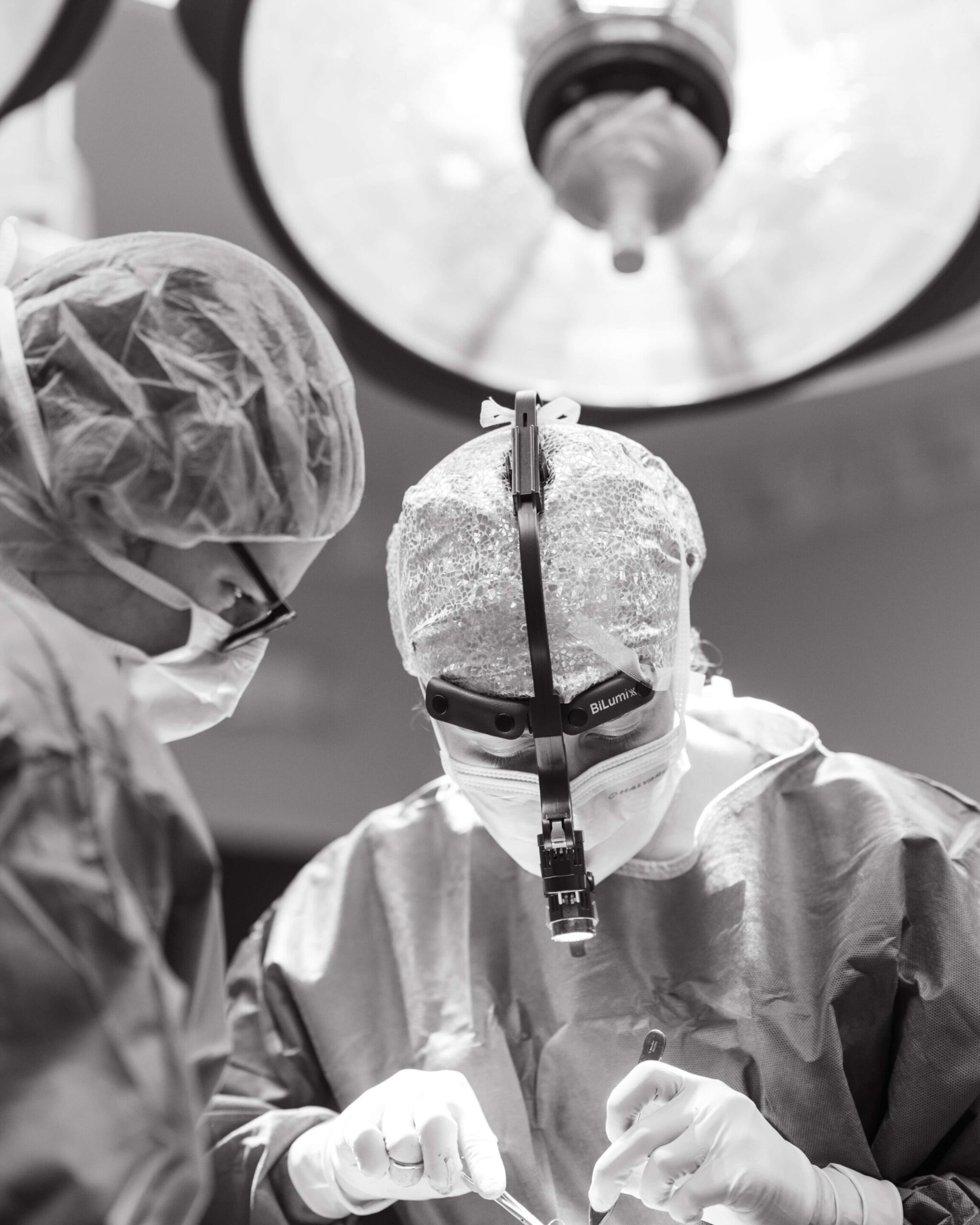
The abdominal wall is made up of muscles and connective tissue called “fascia” which is what holds everything together. You’ve got your “six-pack” muscles, known as the “rectus abdominis”, running straight down the center. Those are connected in the middle by a sheet of fascia. Then on the outside, you have multiple layers of oblique muscles, which help with twisting and stabilization.
Underneath all of that is the “transverse abdominis;” that’s your deepest core muscle, and it plays a major role in compressing the core and stabilizing the entire abdominal wall. It all functions like a tube, connected to your back muscles as well.
What Is “Diasis Recti?”
Diastasis recti is the separation of the rectus abdominis muscles (the two “six-pack” muscles) along the midline of your abdomen. This condition often develops after pregnancy or significant weight changes, and it can lead to core weakness, poor posture and a visible bulge in the midsection.
“During surgery, we take those muscles & put them back together. This fixes one of the most common problems you could have with your core function & your abdominal wall. In most patients, it also helps fix things like back pain & urinary incontinence if they’re having those concerns.”
— Dr. Michelle Sieffert
Is Diastasis Recti Repair Included in Every Tummy Tuck?
Not always, but it’s incredibly common. During a tummy tuck, your surgeon will assess and, if necessary, suture those muscles back together to restore strength, support posture and reduce abdominal protrusion.
“I had a lot of diastasis recti going on — so much so that people thought I was having twins at just 5 months of pregnancy. After tummy tuck surgery, my core stability is insane now. I was doing planks with my daughter & I could do them longer than her. That never happened before!”
— Carrie Esposito
Here’s What Else You’ll Learn in This Episode:
-
What really happens to your abdominal muscles during pregnancy, and why they don’t always bounce back
-
How long recovery actually takes (spoiler: it’s probably faster than you think, especially if you’ve got a good provider)
-
What our surgeons do to ensure a natural-looking result
-
How to prepare your body and mind before surgery for optimal outcomes
-
Why liposuction isn’t a weight-loss tool, and who it is ideal for


About The “Asking For A Friend” Podcast
Asking For A Friend is where real patients and expert providers meet for honest conversations about aesthetics, health and everything in between. Produced by the team at Donaldson Plastic Surgery in Columbus, Ohio, each episode explores the medical science and the lived human experience behind beauty, wellness and confidence.
Whether you’re curious about cosmetic procedures or just want to understand your body better, you’re in the right place. And we’re happy to have you!
Subscribe On Your Favorite Platform!
- 🍎 Apple Podcasts
- 🎵 Spotify
- 🛒 Amazon Music
- ❤️ iHeartRadio
Related Articles

Read More Why We Don’t Do BBLs
Why We Don’t Do BBLs
We don’t perform traditional BBLs due to safety risks and unpredictable results. Instead, we offer refined, more conservative alternatives that prioritize your health.

Read More Episode 8: Sex, Drugs & Menopause (Live)
Episode 8: Sex, Drugs & Menopause (Live)
We pulled back the curtain (& bedsheets) to discuss all things menopause during the first ever live taping of the Asking For A Friend Podcast!

Read More Episode 6: Facial Plastic Surgery at 20, 30, 40 & Beyond
Episode 6: Facial Plastic Surgery at 20, 30, 40 & Beyond
Your favorite podcast crew highlights some of the most popular surgical procedures & nonsurgical treatments for facial rejuvenation.