





By Dr. Marguerite Weston |
How To Inject Semaglutide At Home
A Step-By-Step Guide for Self-Administration, Under Proper Medical Supervision
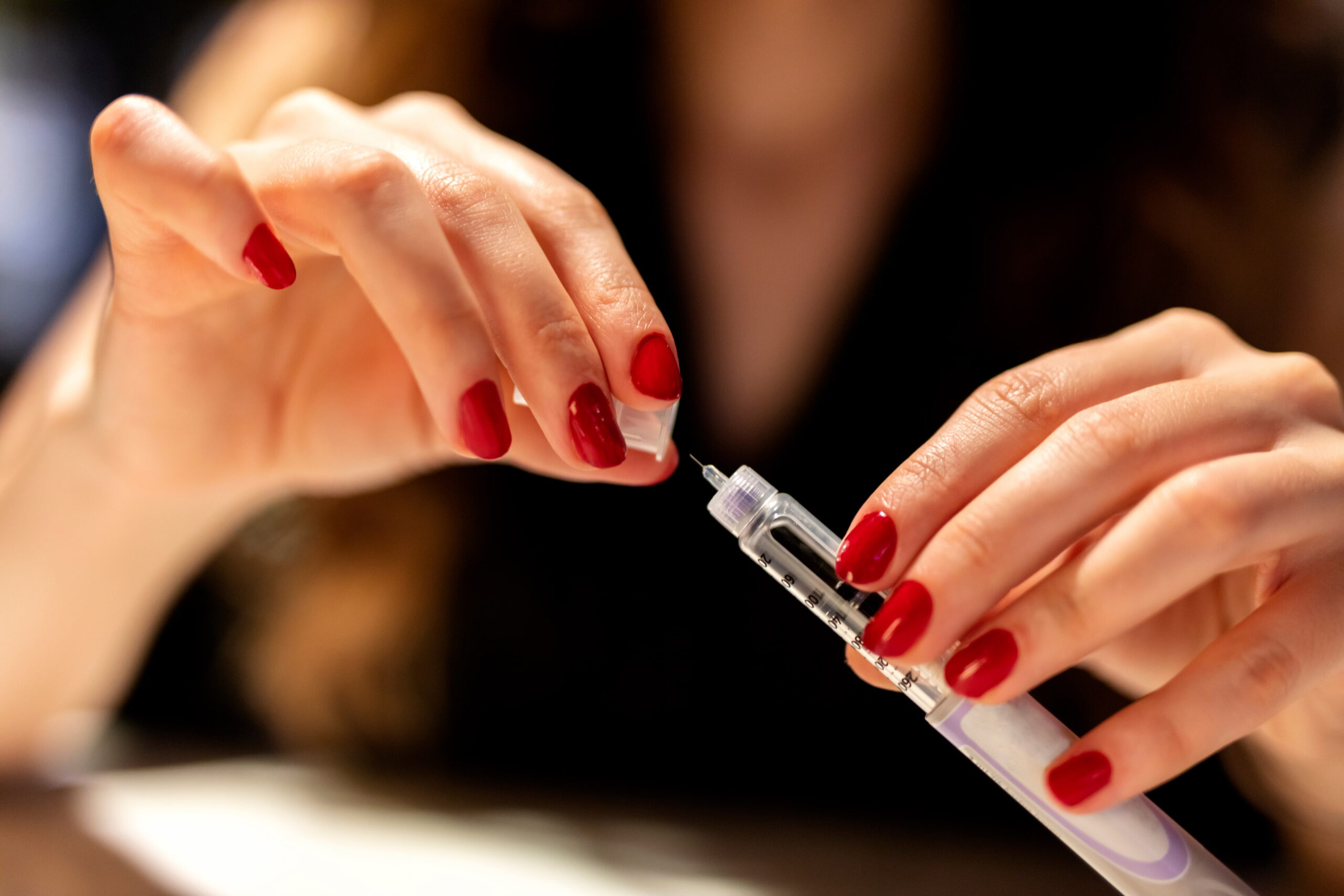
Administering semaglutide at home requires careful attention to safety and precision. This step-by-step guide will help ensure you perform your injection properly to promote safe fat loss and minimize the risk of complications.
Important Notice:
This guide is not for Ozempic or Wegovy products. It is for compounded semaglutide injections only.
This page is intended for use by established patients who have been prescribed compounded semaglutide by a licensed provider and have received individualized instruction on administration. The compounded medication discussed here is not FDA-approved and is not intended to replace or substitute for FDA-approved GLP-1 therapies. Dosing, formulation and safety considerations may vary. Patients should never attempt to self-administer unless trained by a qualified professional and provided with specific instructions from their compounding pharmacy or provider.
Article updated 12/17/2025 to reflect recent FDA communications, regulatory clarifications and clinical context related to GLP-1 medications.
The Process Can Be Broken Down Into 5 Steps:
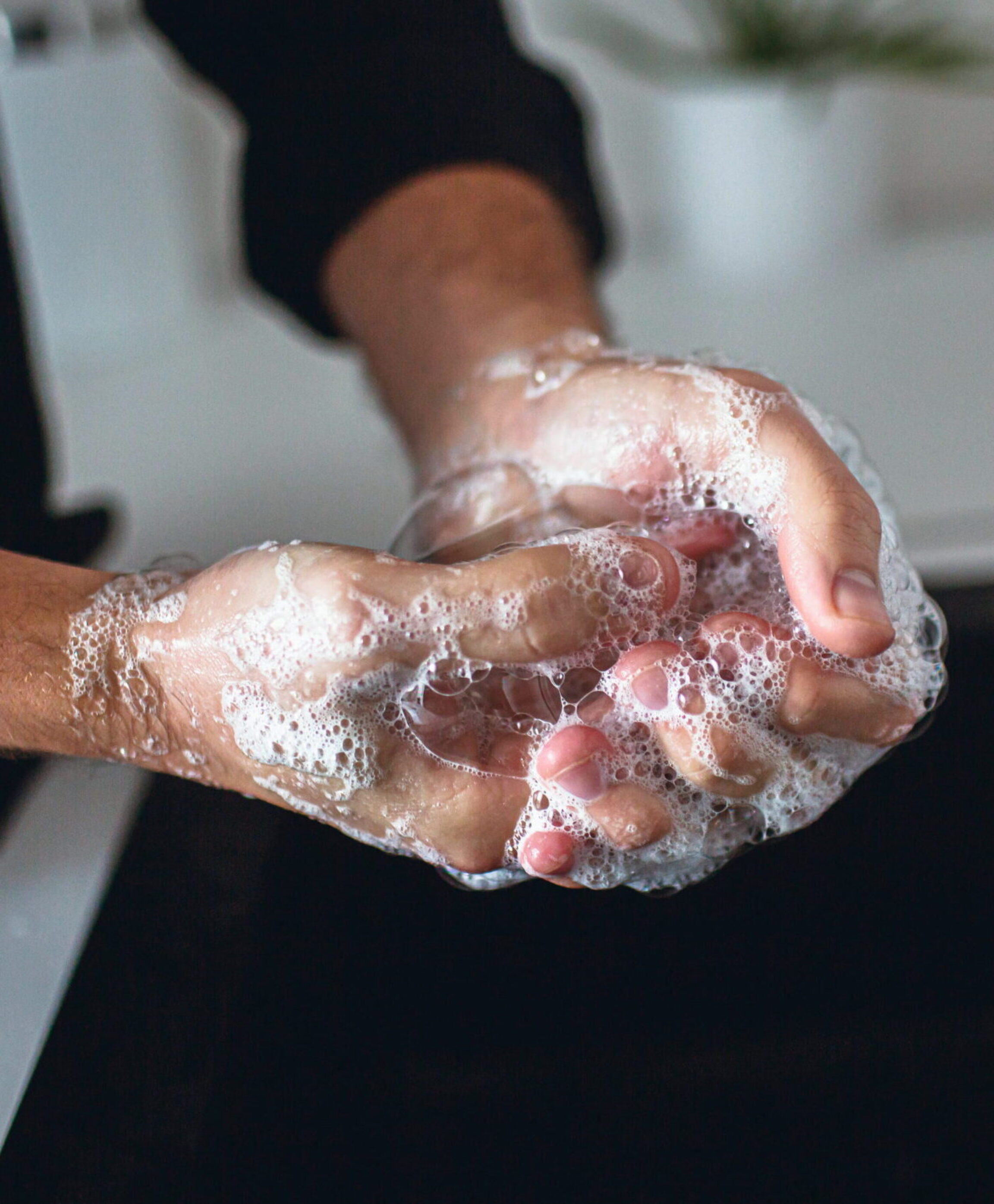
Step 1: Gather Supplies & Wash Your Hands
Before beginning, it’s crucial to ensure that all necessary supplies are prepared and that you follow sterile techniques to minimize the risk of infection.
Everything You Will Need:
- The semaglutide vial that has been prescribed to you
- Alcohol wipes
- A sterile, unused syringe with a needle
- A sharps disposal container
- A clean surface to place your supplies
Once You’ve Gathered Your Materials:
- Wash your hands thoroughly with soap and warm water for at least 20 seconds. This step removes bacteria and prevents potential contamination during the injection process.
- Dry your hands with a clean towel or air dry to avoid introducing bacteria onto your supplies.
Step 2: Prepare The Injection Site
Selecting the right injection site is important for proper absorption and minimizing discomfort. Semaglutide is typically injected subcutaneously (just under the skin), most commonly in the following areas:
- Abdomen (our patients’ preferred area)
- Thighs
- Upper arms
To Prepare The Site:
- Choose an area with loose skin that has not been recently used for injection. Rotating sites reduces irritation and tissue damage.
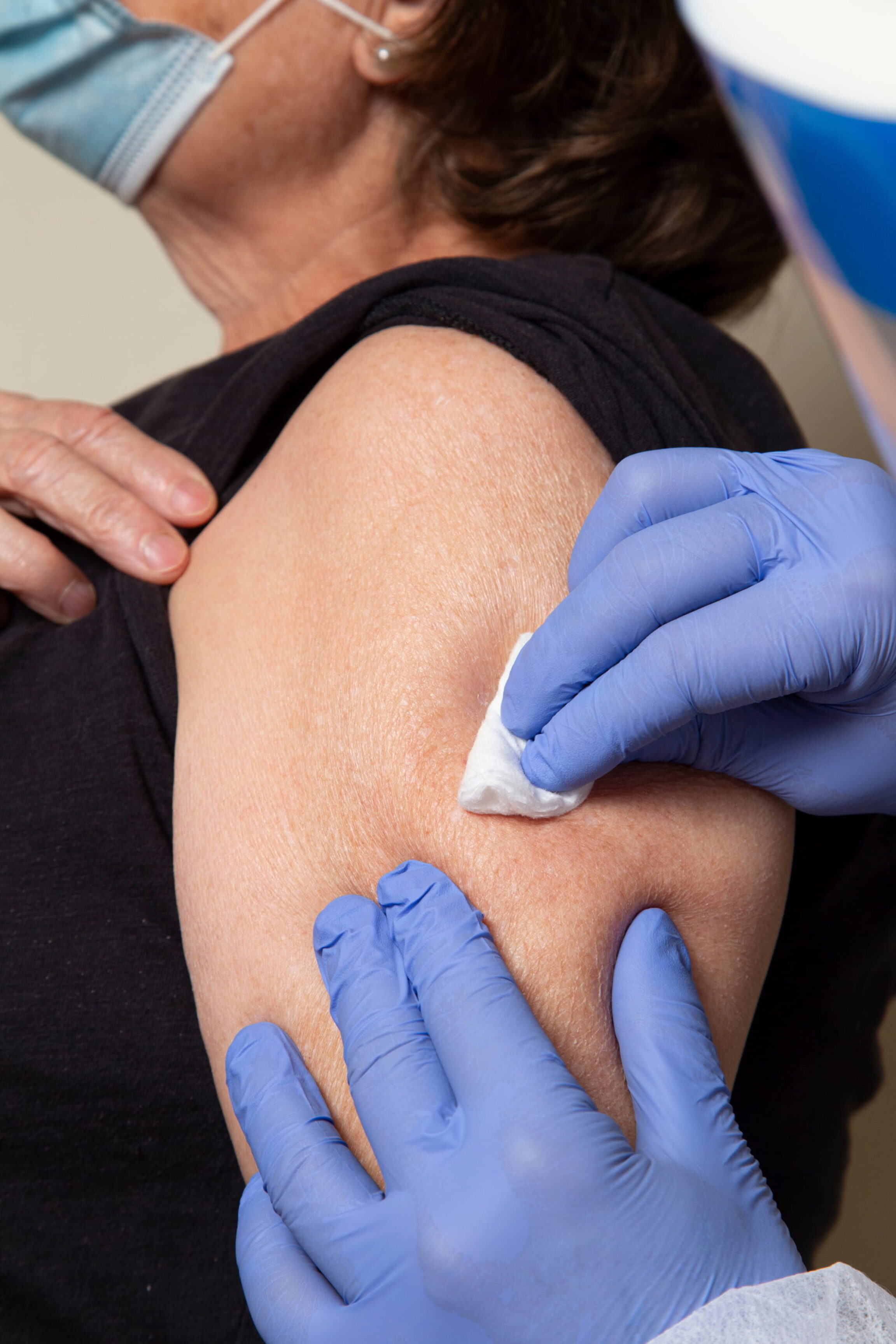
- Clean the injection site with an alcohol wipe, moving in a circular motion from the center outward. Allow the skin to air dry completely before injecting to avoid stinging and to ensure proper disinfection.
Step 3: Prepare The Needle
Proper needle preparation is essential for safety and effective dosing. First, inspect the semaglutide vial for any discoloration or particles. The solution should be clear and free of any sediment.
How To Draw Up Your Prescribed Dose
- Remove the cap from the vial and clean the top with an alcohol wipe.
- Remove the safety cap from your needle.
- Prime the needle by inserting the needle into the vial, tilting the vial upside down and pulling back the plunger to draw a small amount of medication and pressing the plunger until a tiny drop appears at the needle tip.
- Reinsert the needle into the vial, title the vial upside again and pull back the plunger to draw the correct dose as prescribed by your healthcare professional.
- Double-check the dose before proceeding.
Step 4: Administer The Injection
Now that you’re ready to inject, follow these steps to ensure the procedure is smooth and painless:
- Pinch the skin at the cleaned injection site to create a small fold. This makes it easier to inject into the subcutaneous tissue, which lies just beneath the skin.
- Hold the syringe at a 90-degree angle for most areas of the body, or at a 45-degree angle if injecting into a thinner area of skin.
- Insert the needle quickly and smoothly into the skin to minimize discomfort. Avoid injecting into any veins or muscles — semaglutide should only be administered into subcutaneous tissue.
- Slowly depress the plunger to inject the medication. Take your time to ensure the full dose is delivered.
- Once the dose is administered, withdraw the needle carefully and immediately cover the site with a clean piece of gauze or cotton.
- Apply light pressure for a few seconds, but avoid rubbing the area, as this can cause irritation.
Step 5: Dispose Of The Needle
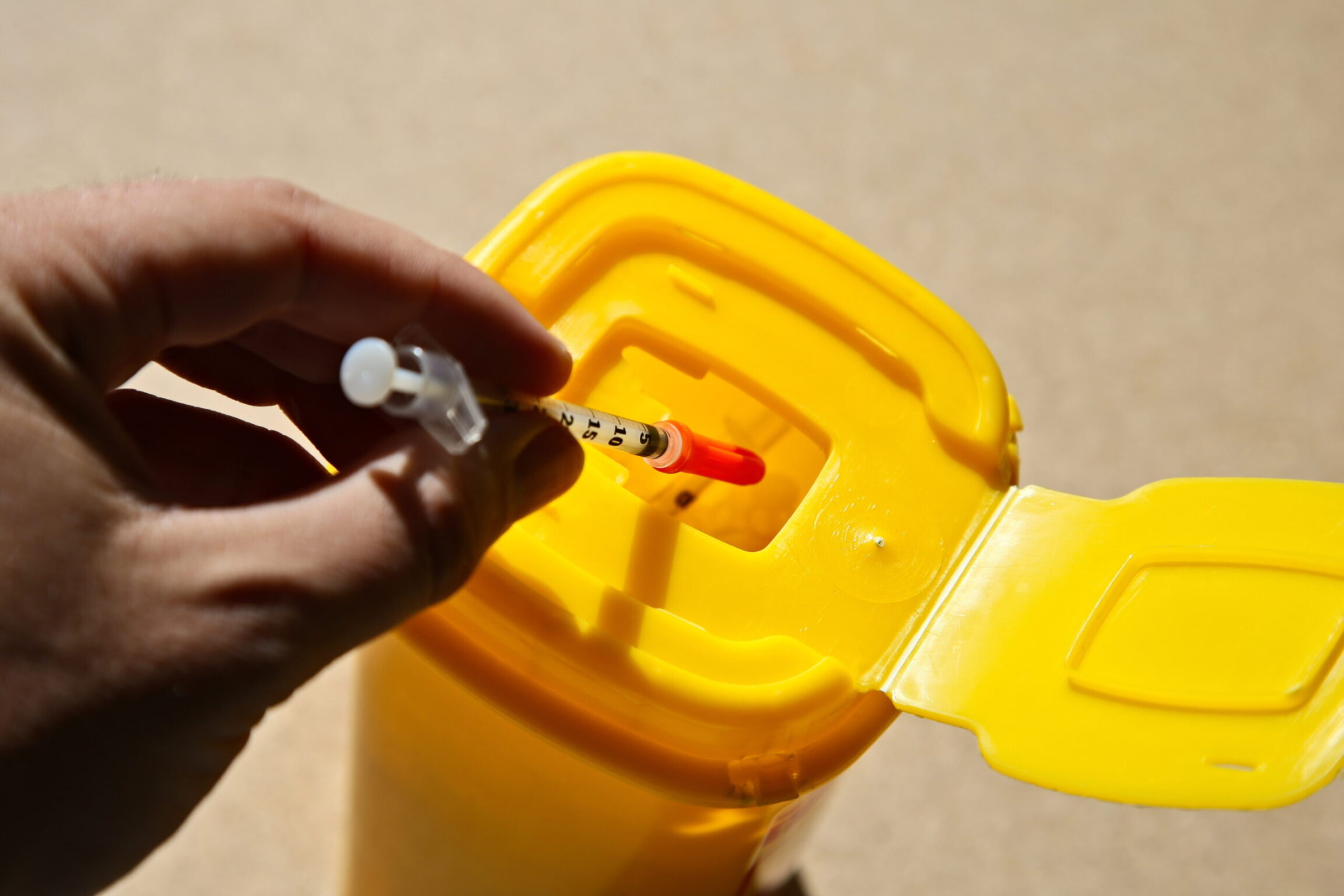
Safe needle disposal is an important part of the complete process, ensuring both your safety and the safety of others.
- Do not recap the needle — this reduces the risk of accidental needlesticks.
- Immediately place the used needle and syringe into a FDA-approved sharps disposal container. Never throw used needles into the regular trash.
- When your sharps container is full, follow local regulations for disposal. Many communities have designated drop-off sites or mail-back programs for medical waste.
Proper Technique Is Necessary To Ensure Optimal Semaglutide Results
By working with a credentialed provider and following these steps carefully, you can administer semaglutide injections more effectively from the comfort of your home. Always consult your healthcare provider for any questions or concerns about your semaglutide therapy.
About Our Use of Compounded Semaglutide
At Donaldson, compounded semaglutide is prescribed on a case-by-case basis and when medically appropriate. We only work with credentialed, thoroughly vetted compounding pharmacies. This medication is offered as part of a broader, clinically supervised weight management program that prioritizes patient education, metabolic health and individualized care.
Compounded Medications Are Not FDA-Approved
Because of this, compounded solutions may carry different risks than FDA-approved versions. Our team evaluates each case individually, and we do not present compounded therapies as a substitute for FDA-approved drugs. Injection technique, dosage and monitoring are reviewed directly with each patient to ensure safety and understanding.
This instructional content is for educational purposes only and is not a replacement for medical advice. Please contact our team if you have any questions about your prescription, dosage or administration.
Related Articles

Read More Functional Medicine vs. Naturopathic Medicine
Functional Medicine vs. Naturopathic Medicine
Functional medicine & naturopathic medicine share a similar mission, but they aren't the same thing. Learn the key differences in training, modalities & approach — especially if you're in Ohio.

Read More Is Sleep Important After Plastic Surgery?
Is Sleep Important After Plastic Surgery?
Good, consistent sleep (both before & after a procedure) is one of the most powerful tools to ensure a more comfortable surgical recovery.

Read More Supplements for GLP-1s
Supplements for GLP-1s
The supplement aisle is full of GLP-1-branded products that don't deliver. Here's what we recommend to support your body, protect muscle mass & feel better while on treatment.