






Detox Food Plan
what is detox?
The word “detox” has two common meanings: (1) to withdraw from the use of drugs or alcohol, and (2) to describe the body’s process of making chemicals, compounds, hormones, and toxins less harmful. The second definition is the one we use in functional medicine. This process is often referred to as “metabolic detoxification.” The liver, kidneys, large intestine, lymphatic system, and sweat glands work together to process and remove toxins from the body.
Metabolic detoxification is an ongoing process: every day, your body’s organs are working to eliminate environmental toxins that come in from bacteria, air pollution, plastics, and heavy metals, to name a few. One of the most common toxic chemical exposures is from pesticides, herbicides, and fertilizers used in agriculture. Exposure to these toxins commonly occurs through water, food, air, and from time spent in the home or work environment.
Other sources of toxins which can increase the body burden include materials used in construction, carpet chemicals, paint, household cleaners, metals used in dental restorations and personal hygiene products applied to the face, skin, teeth, and hair. Exposure to air pollution can come from primary or second-hand smoke, auto exhaust, and industrial manufacturing. In other words, we are all living amidst many chemicals, resulting in an increased toxic load for everyone.
The amount of toxins in a person’s body is a result of three main factors. First, everyone has a different toxin exposure. Second, there are genetic differences in how a person’s body is able to produce enzymes that regulate detoxification. Lastly, an individual’s eating pattern can either support, or hinder the body’s ability to process and eliminate toxins.
Symptoms may occur when a person reaches their personal limit of accumulated toxins. There are processes in the body responsible for converting toxins into chemical compounds which can be eliminated (primarily through the urine or stool). Researchers are recognizing more symptoms related to the buildup of toxins, including obesity, type 2 diabetes, metabolic syndrome, cancer, infertility, allergies, behavior and mood disorders, neurological conditions, and cognitive difficulties, along with several other diseases like Parkinson’s and dementia.
Detoxification may also be helpful for individuals who have imbalanced levels of sex hormones such as estrogen, testosterone, and progesterone. Sex hormones, such as estrogen, must go through the same liver pathways as toxins before being removed from the body.
Scientists estimate the average adult has at least 300 toxins in their body and that a newborn may have over 200 toxins.
Fatigue is one of the most common reasons a detoxification program is recommended. Other reasons for a metabolic detox program include overall poor health, weight loss resistance, or to reduce symptoms associated with toxicity.
The process of detoxification involves many steps. There may be reasons why the body isn’t efficient in clearing toxins. These reasons can be situational, such as having an increased exposure to toxins, being constipated and less able to excrete toxins through healthy bowel movements, eating a nutrient-poor diet, being under stress, having a chronic disease, experiencing excessive inflammation, and not getting enough physical activity or restorative sleep. There may also be genetic reasons, such as having slow enzymes that aren’t efficient in supporting detoxification.
The goal of a detoxification food plan is to provide nutritional support for helping the body process and eliminate toxins. The Detox Food Plan results in improved symptoms and an increased sense of wellbeing for most individuals. The Detox Food Plan – Comprehensive Guide provides specific suggestions to optimize the metabolic detoxification experience and lower the body burden. The guide offers direction on how to structure a healthy detox and wellness plan by providing tips on how to get started, what to eat, what to watch for, and how to provide the body with the right nutrients for improved detoxification.
food & detox
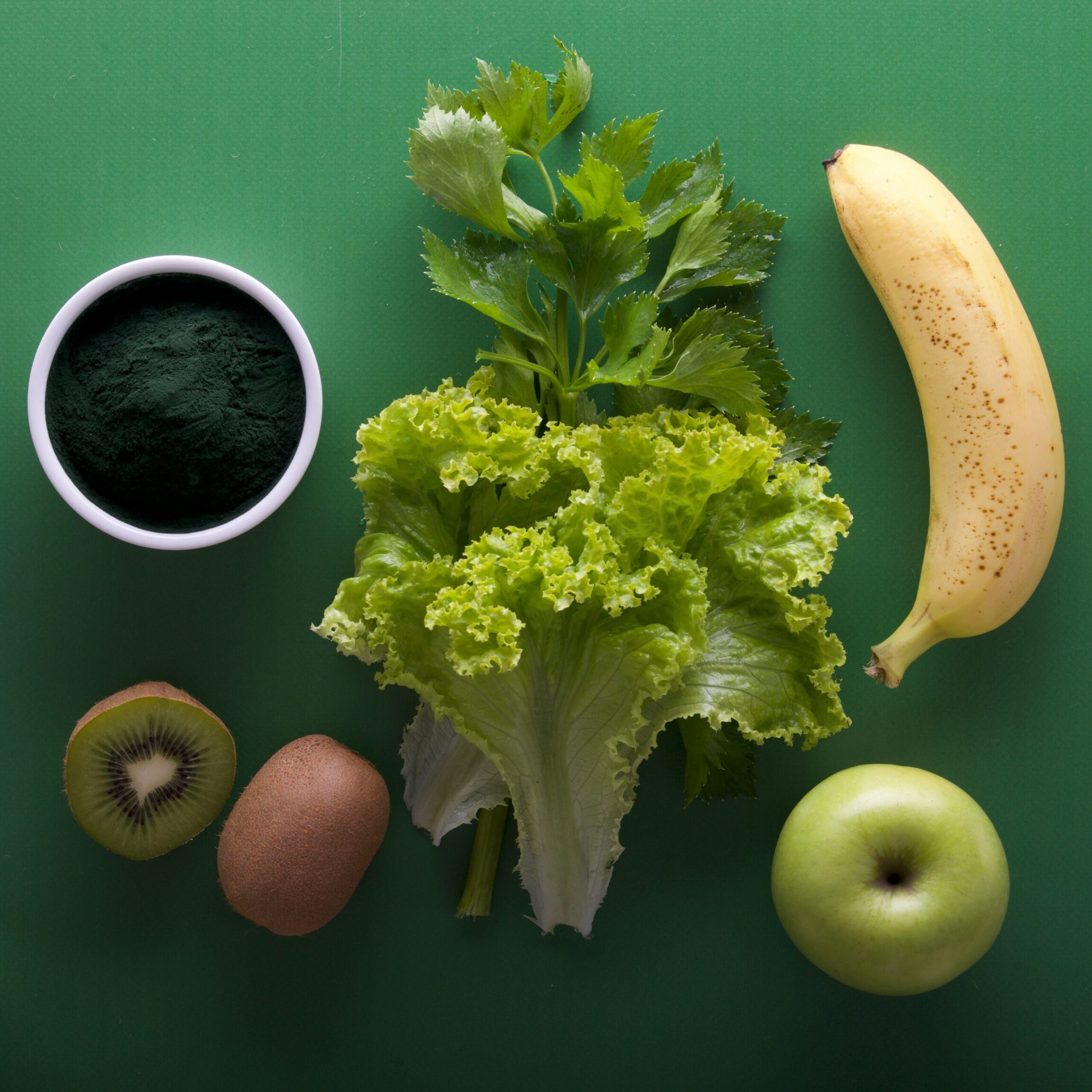
Food plays a role in all phases of detoxification (see image below). The first step is to identify the toxins which may entering your body from food, beverages, and the environment. By becoming aware of these toxins and avoiding them whenever possible, the amount of toxins in the body can be reduced significantly.
Various nutrients are required to fuel the process of detoxification. A shortage of any one of them could mean an increased body burden of toxins. There are two phases of detoxification in the liver – phase I and phase II. Cruciferous vegetables are highly recommended because they support both phases of detoxification. High-quality, lean protein is needed for phase II detoxification. The remaining steps have to do with how the body processes toxins, mostly in the liver. Once the liver has transformed these toxins, they can be eliminated from the body through urine, stool, and sweat.
features of the detox food plan
While the Detox Food Plan reduces common food triggers like gluten and dairy, it focuses on long-term nutritional support of the major body systems involved with detoxification, such as the digestive system and liver. It places a stronger emphasis on eating healthy, colorful foods for life, reducing plastic use, and eating organic foods when possible.
One of the most important aspects of the Detox Food Plan is the emphasis on consistently eating foods that help your body eliminate toxins and supporting a healthy immune system. The digestive system needs to work efficiently so that it can provide one to two healthy, well-formed bowel movements daily. Without consistent, daily bowel movements, toxin elimination is hindered (as many of them exit in stool). Some toxins can be eliminated through urine, too, which is why proper hydration goes hand-in-hand with optimal detoxification. Eating enough dietary fiber—which means consuming at least 35 grams of fiber daily—will support toxin elimination.
The Detox Food Plan, more than any other food plan within the IFM Food Plan Suites, is designed to support the liver. The liver is a very important organ for detoxification. When the liver is overburdened through increased toxic load or lacking nutrients, greater toxicity and increased symptoms can occur. The goal of the Detox Food Plan is to support the liver and other organs of detoxification in lowering the toxic burden and improve your overall wellbeing.
The Detox Food Plan:
-
he Detox Food Plan reduces exposure to trigger foods that may be connected to health concerns. Many people with food sensitivities don’t realize how bad they feel, or that particular foods are the culprit, until the foods that trigger a reaction are removed from the diet. Food reactions are frequently overlooked as a contributor to chronic health issues. Some reactions are considered to be food allergies, meaning they cause severe symptoms immediately. Some reactions may be delayed by hours or even days; this type of food reaction is referred to as a food sensitivity. Food sensitivities are usually the result of an imbalance in the gastrointestinal system that affects the immune system. Food intolerances are reactions to certain food chemicals (e.g., lactose, MSG, histamines, etc.) that occur when a person is lacking an enzyme or nutrient, resulting in an inability to properly metabolize certain foods.
Removing specific foods that cause adverse reactions will allow the gut to heal, while simultaneously supporting detoxification pathways. Common food triggers are minimized or eliminated on the Detox Food Plan, while nutrient-dense foods are included to support detoxification and gut health.
After following the Detox Food Plan for a period of time, your practitioner may suggest a personalized food reintroduction. The goal is to expand the variety of healthy foods you eat, not to maintain a long-term restrictive diet. Reintroduction involves adding back one food at a time and observing whether that food is associated with symptoms. Foods that continue to provoke symptoms (physical, mental, and emotional) are avoided until they no longer cause symptoms. Once the gut is healed, many foods that initially caused sensitivities may be reintroduced into a meal plan without symptoms.
-
Protein is a key nutrient that enables the liver to effectively process toxins within the body. Specific amino acids (building blocks of protein) are required to process certain types of toxins. Therefore, this food plan suggests high- quality protein as an essential cornerstone to ensure that detoxification is efficient and effective.
-
The Detox Food Plan emphasizes measures to reduce the intake of toxins of all kinds by encouraging organically grown, non-genetically modified foods; lean, grass-fed animal meats or wild-caught fish; minimally refined, cold-pressed oils; and by reducing exposure to plastic-contained foods and liquids.
-
Toxins are everywhere: in food, air, water, and even in personal care products. It is best to start a detoxification program by first removing toxins from one’s diet (and home environment) as much as possible. Buying organically grown food helps to ensure a minimal intake of pesticides, herbicides, and insecticides. Limiting ingestion of genetically modified organisms (GMOs) and heavy metals is also recommended.
-
Antioxidants from plant foods like vegetables, fruits, legumes, nuts/seeds, herbs, and spices help protect cells from damage and support the body’s natural detoxification process.
-
This food plan includes nutrients that support detoxification processes within the digestive tract, liver, and kidneys. Phytonutrients in plant foods help protect cells from toxins and play a role in reducing inflammation. A diet rich in plant foods has also been shown to be supportive of kidney health.
-
Toxins are removed from the body through the urine and stool. High-fiber foods and adequate water are featured in this food plan to ensure the healthy removal of toxins from the body.
-
Whole foods support the liver and gut to help achieve proper hormone balance. Environmental toxins can disrupt hormonal balance in the body; whole foods that improve detoxification may, in turn, improve hormonal balance.
tips for minimizing intake of harmful substances
- Choose lean meats over fatty animal foods, as pesticides concentrate in fat
- Buy organically-grown animal products (e.g., meats and dairy)
- Peel the skin or remove the outer layer of leaves of some produce (e.g. lettuce and cabbage)
- Remove surface pesticide residues, waxes, fungicides, and fertilizers by soaking the food in a mild solution of additive-free soap (pure castile soap or biodegradable cleanser)
- Cut away any damaged or bruised areas before preparing or eating food
- Wash produce before peeling it so dirt and contaminants aren’t transferred from the knife onto the fruit or vegetable
- Consult the current versions of the Environmental Working Group’s “Dirty Dozen” (foods that are high in pesticide residues) and “Clean 15” (foods that are typically low in pesticide residues) lists
- Avoid foods that contain preservatives such as BHT, BHA, benzoate, and sulfites; food colorings such as FD&C yellow #5, #6, etc.; or artificial sweeteners such as sucralose and aspartame
- Limit exposure to canned foods (e.g., meat, fish) and plastic bottles/ containers, which may contain Bisphenol-A (BPA)
- Cook with non-toxic cookware like stainless steel and cast iron
- Use filtered water for drinking and cooking
touring through the detox food plan
The Detox food list is designed to give you a snapshot of foods to select from each day. Your functional medicine provider may give alternate suggestions that are personalized to specific medical needs and may include a calorie target or other guidance on food selection and timing of meals.
This food plan focuses on natural and whole foods to support optimal detoxification and elimination of toxins. When making dietary choices to support detoxification, try to select the Therapeutic Foods within each food group to get the most out of the Detox Food Plan.
protein
Protein is an essential nutrient for detoxification. The building blocks of protein, amino acids, bind to toxins in the liver and support their removal from the body. When possible, it is ideal to include some protein in every meal for ongoing support of the liver’s detoxification processes.
There are different sources of animal and vegetable protein to choose from on this food plan. Plant-based proteins include miso, natto, tofu, tempeh, rice/hemp/pea protein powders, and plant-based meat alternatives. Animal proteins include options such as eggs, fish, meat, poultry, and a vast array of protein powders. As with the other food categories, quality is important. High-quality proteins of any kind are the best choice, including lean, grass-fed, organic, non-GMO sources.
Omega-3 rich fish are highlighted as a therapeutic food because of their anti- inflammatory fats. In research studies, omega-3 fatty acids have been shown to have a protective effect on the cells and heart of people exposed to air pollution. Remember to choose wild-caught fish, as farmed varieties may contain hormones and toxic chemicals called polychlorinated biphenyls (PCBs). Shellfish are omitted from the Detox Food Plan as they are often contaminated with toxins, particularly when farmed.
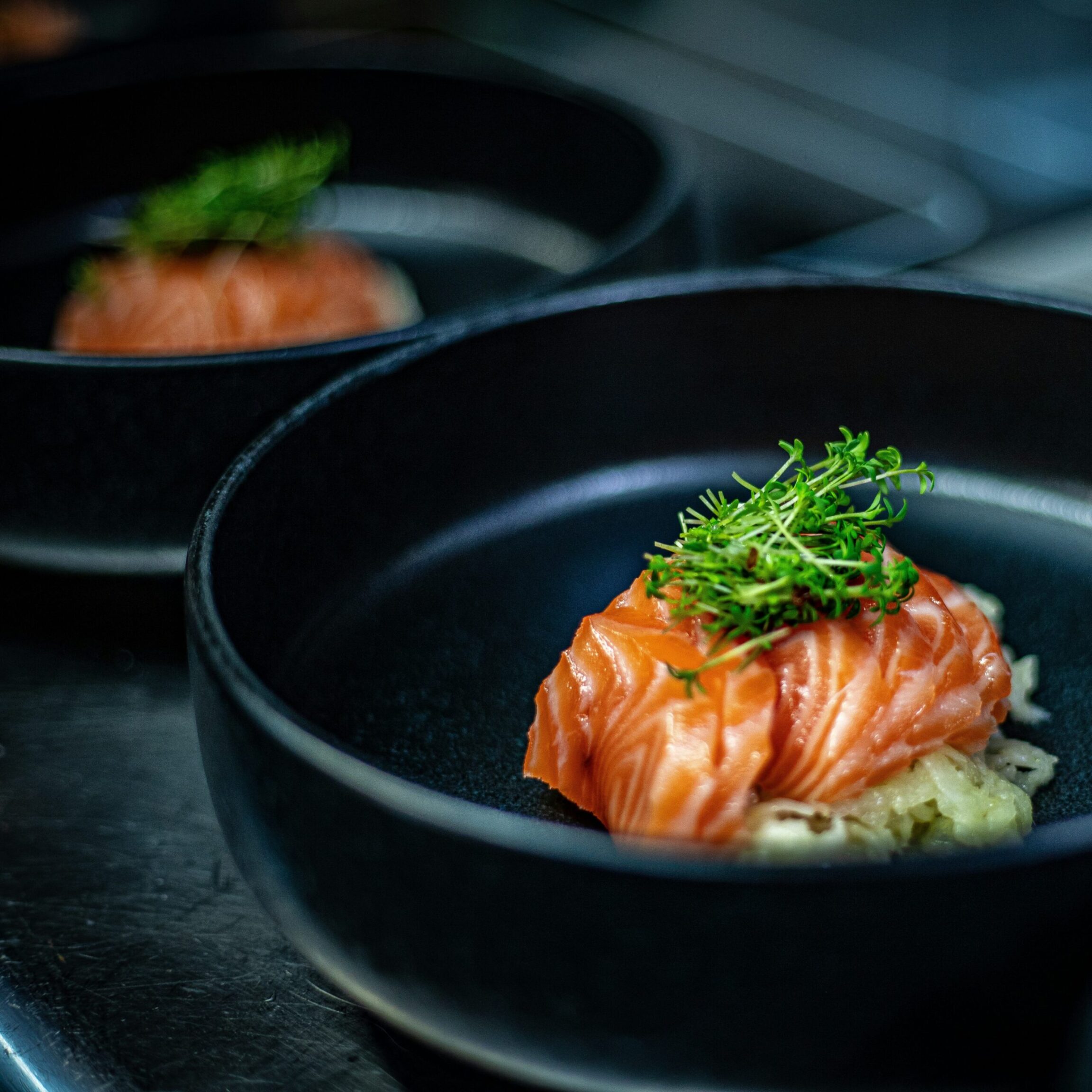
Select from sources with the lowest amounts of mercury according to the National Research Defense Council: anchovies, butterfish, catfish, croaker (Atlantic), flounder, haddock (Atlantic), hake, herring, mackerel (North Atlantic, chub), mullet, perch (ocean), pollock, salmon (fresh, wild), sardines, sole (Pacific), squid, tilapia, trout (freshwater), whitefish, and whiting. Fish associated with the highest mercury content include bluefish, grouper, Halibut (Atlantic, Pacific), mackerel (Spanish, Gulf, King), marlin, orange roughy, sea bass (Chilean), shark, swordfish, tilefish, and tuna (canned albacore, yellowfin, bigeye, ahi).
Soy foods are also highlighted as therapeutic for detoxification. Phytonutrients in soy, called isoflavones, have been shown to influence liver detoxification and may help the body produce estrogen in a healthy way. A number of research studies have shown an association between eating soy food products and reduced risk of cancer. Choose organic and minimally processed soy foods to avoid chemicals and additives.
Therapeutic Foods: Fish & Soy
legumes
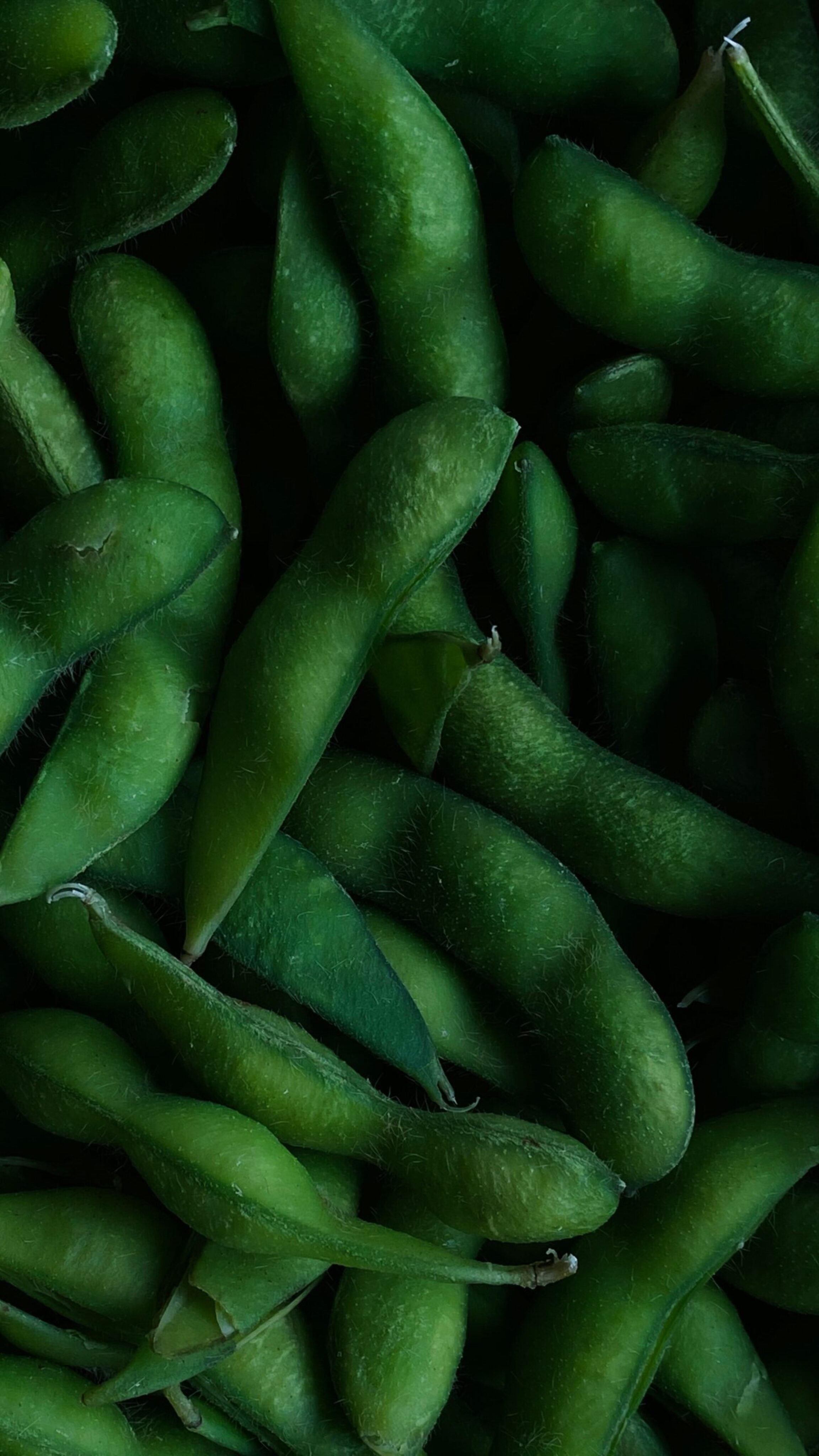
Legumes, including beans and lentils, are an affordable way to get quality dietary protein and fiber, both of which help with detox in the liver and in the gut. Aim to eat at least one serving of legumes every day. Options include soups, cooked beans, dips, and hummus. Try black (soy) beans in soup, add garbanzo beans or kidney beans to a salad, or make a bean salad of 2-3 different varieties with chopped onion and pepper. While all legumes are fantastic choices, black soybeans and edamame are highlighted in this category for their protein, fiber, and isoflavone content.
Therapeutic Foods: Black Soybeans & Edamame
dairy alternatives
Dairy is not listed on this plan, because most commercially available dairy foods contain toxins and hormones. Additionally, dairy is a trigger food and a cause of digestive symptoms for many. There are several dairy alternatives on this food plan, mostly in the form of nut and grain milks. When buying dairy alternatives like soy, coconut, almond, hemp, oat, or rice milk, read the label carefully to ensure they are organic and do not contain added sweeteners. Note that coconut milk listed here refers to the boxed variety rather than to its canned form.
Therapeutic Foods: Organic Soy Milk, Soy Yogurt, and Soy Kefir

nuts & seeds
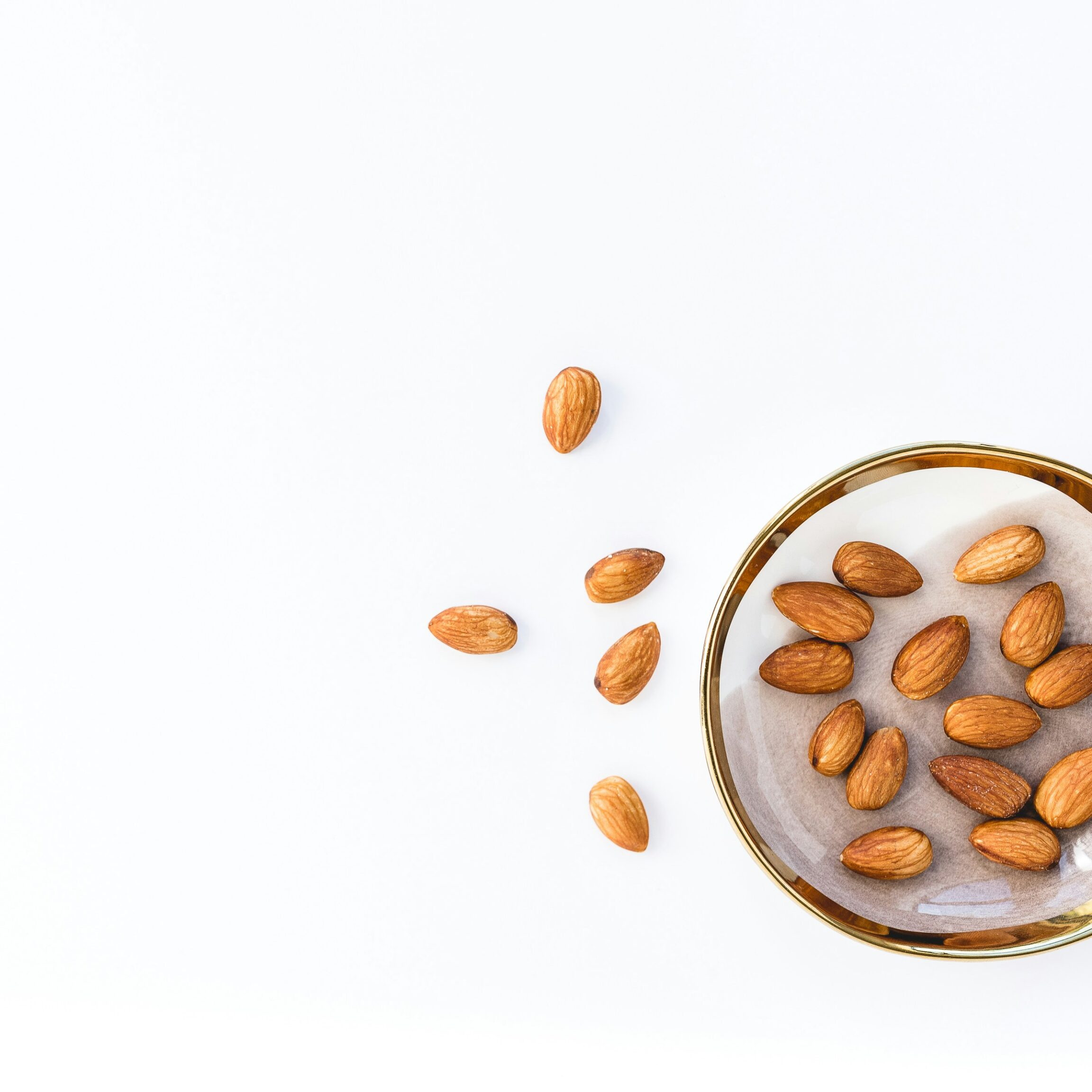
The nuts and seeds category provides a variety of options for snack choices throughout the day. Nuts and seeds may also be sprinkled on top of salads, cereals, or vegetables.
There is compelling data that supports eating a handful of nuts each day to reduce chronic disease risk. While not required, it is recommended that at least 1 to 2 servings of nuts be eaten daily. Aim for a mixed blend of raw unsalted nuts.
Try adding ground flaxseeds to a salad or a smoothie, or use seed butters like tahini (sesame seed butter) drizzled over vegetables, almond butter with fresh fruit, or cashew “cream” in place of traditional cream-based sauces.
All nuts, seeds, and their respective butters or pastes are considered to be therapeutic for detoxification as they provide anti-inflammatory oils, quality protein, and phytonutrient compounds like lignans. Lignans, found in flaxseeds and sesame seeds, support detoxification and can also influence hormone metabolism.
Therapeutic Foods: All Nuts and Seeds Including Their Respective Butters or Pastes (Especially Flaxseeds and Sesame Seeds)
fats & oils
A vast selection of fats and liquid oils can be used for salad dressings and cooking. Preferable choices are minimally refined, cold-pressed, organic, non-GMO fats and liquid oils whenever possible, as these are of the best quality. Fats and liquid oils break down in heat, light, and oxygen, so the quality and storage of these oils is important. Keep oils in dark glass (not plastic) containers and discard if they smell rancid. There are no specific recommended servings of these oils during a detoxification plan.
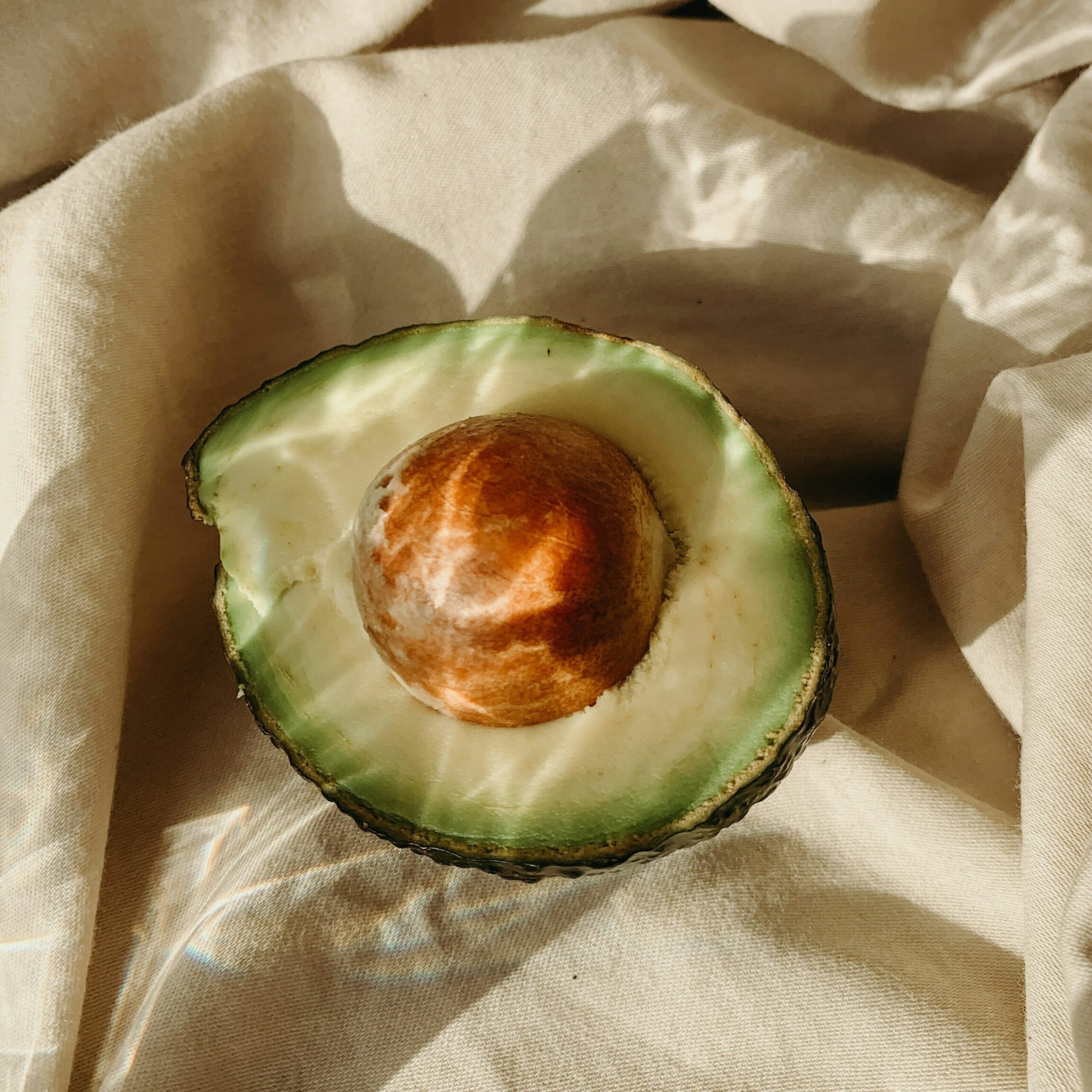
Fats and oils from avocados, flaxseed, hempseed, olives, pumpkin seeds, rice bran, and sesame seeds are therapeutic for detoxification for different reasons. The healthy monounsaturated fats found in avocados (including its oil) and olives (as well as extra virgin olive oil) have been shown to be supportive of liver health. Avocados also contain dietary fiber which supports digestive regularity.
Flaxseed oil and hempseed oil are both plant-based sources of anti-inflammatory omega 3 fatty acids. Pumpkin seed oil, rice bran oil and sesame oil have also been shown to be anti-inflammatory and supportive of liver health.
Therapeutic Foods: Avocado (Fruit & Oil), Extra Virgin Olive Oil, Flaxseed Oil, Hempseed Oil, Pumpkin Seed Oil, Rice Bran Oil, and Sesame Oil
non-starchy vegetables
The greatest variety of foods for detoxification is found in the non-starchy vegetables category. The goal is to consume at least 9 servings every day to aid in liver detoxification and the elimination of toxins from the gut.
The non-starchy vegetables are divided into four categories on the Detox Food Plan: Cruciferous vegetables, Leafy Greens, Alliums, and Other Non-Starchy Vegetables. It is advised to eat foods from each of these categories daily to get as much variety as possible.
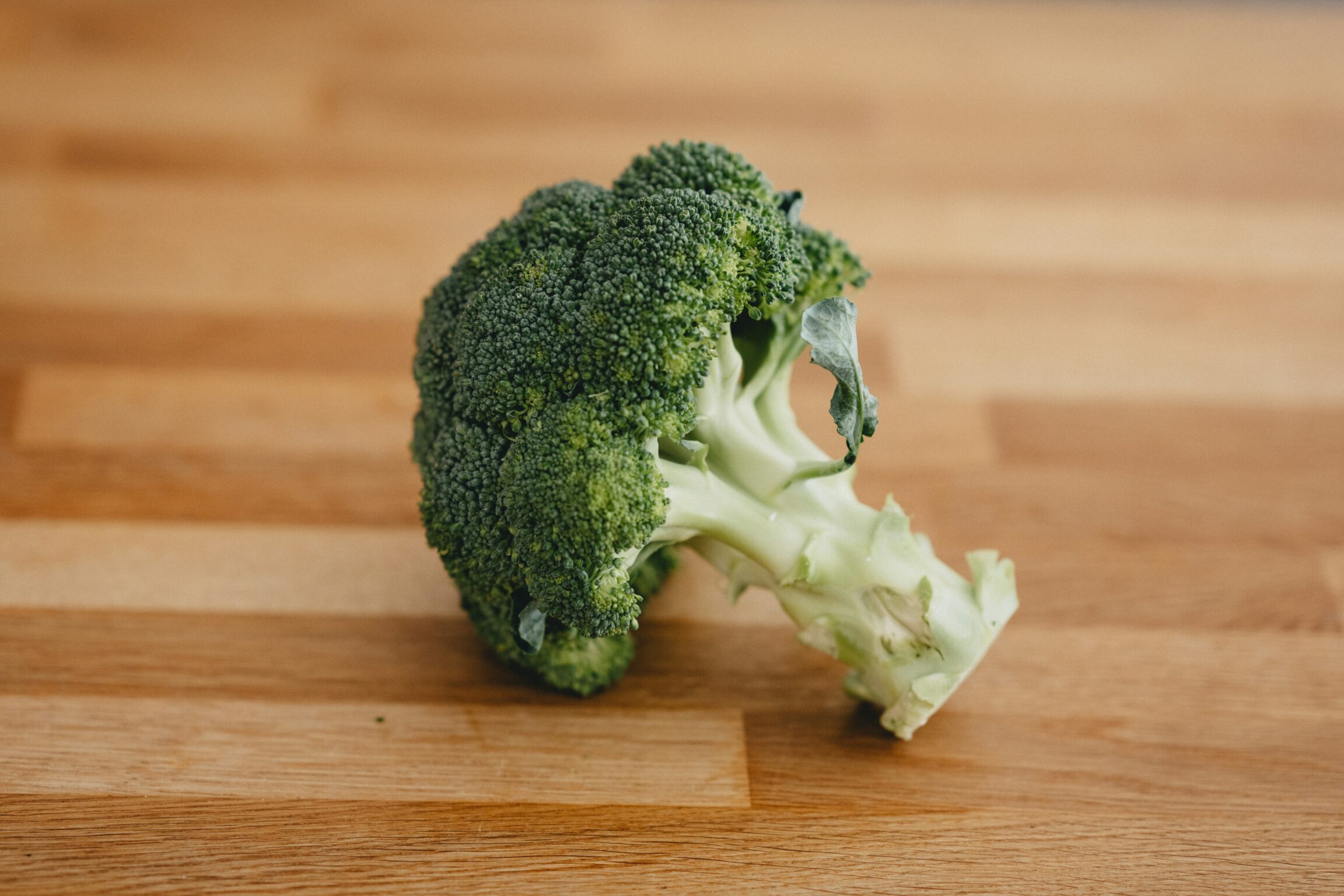
Cruciferous vegetables are of special importance in this food plan, as these powerful vegetables support all aspects of detoxification. Cruciferous vegetables include arugula, bok choy, broccoli, broccolini, Brussels sprouts, cabbage, Chinese cabbage (napa), cauliflower, collard greens, horseradish, kale, kohlrabi, mustard greens, radishes, rutabaga, turnips, wasabi, and watercress.
Cruciferous vegetables contain phytonutrients called glucosinolates. When cruciferous vegetables are chopped or chewed, the glucosinolates turn into active compounds called isothiocyanates (examples of these include indole-3-carbinol and sulforaphane). These activated compounds help enhance the body’s natural detoxification systems. In research studies, cruciferous vegetables have been associated with reduced risk of cancer. If you were to take only one step towards following this food plan in order to better support detoxification, eating more cruciferous vegetables would be an excellent start.
Leafy greens include a number of anti-inflammatory vegetables that can be used in stir-fries, salads, or smoothies. One family of phytonutrients in leafy green vegetables is called carotenoids. In research studies, eating more of these phytonutrients have been associated with better liver health. Another study showed that eating 1-2 servings of green leafy vegetables each day was equivalent to being 11 years younger in the brain (compared to those to rarely or never ate leafy vegetables). Rather than a single nutrient being responsible for these powerful benefits, it is thought that the nutrients in these vegetables work together to improve health. This is one reason why eating whole, unprocessed plant foods is so important for your overall health.
Allium vegetables, including onion, shallots, and garlic provide sulfur nutrients that enhance liver detoxification. In research studies, allium vegetables have been associated with reduced risk of cancer.
Finally, the Other Non-starchy Vegetables section provides fiber and foundational nutrition, but they are not necessarily highlighted as therapeutic in this food plan. It is important to eat a variety of colorful vegetables every day. The best way to eat lots of vegetables is to include them every meal. For example, have some leftover broccoli or stir-fried vegetables with a morning meal, then a hearty vegetable soup or a salad for lunch that contains several servings of both raw and cooked vegetables. A salad in addition to cooked vegetables with dinner can help you include enough servings each day.
Therapeutic Foods: Cruciferous Vegetables, Leafy Greens, and Allium Vegetables
Starchy vegetables
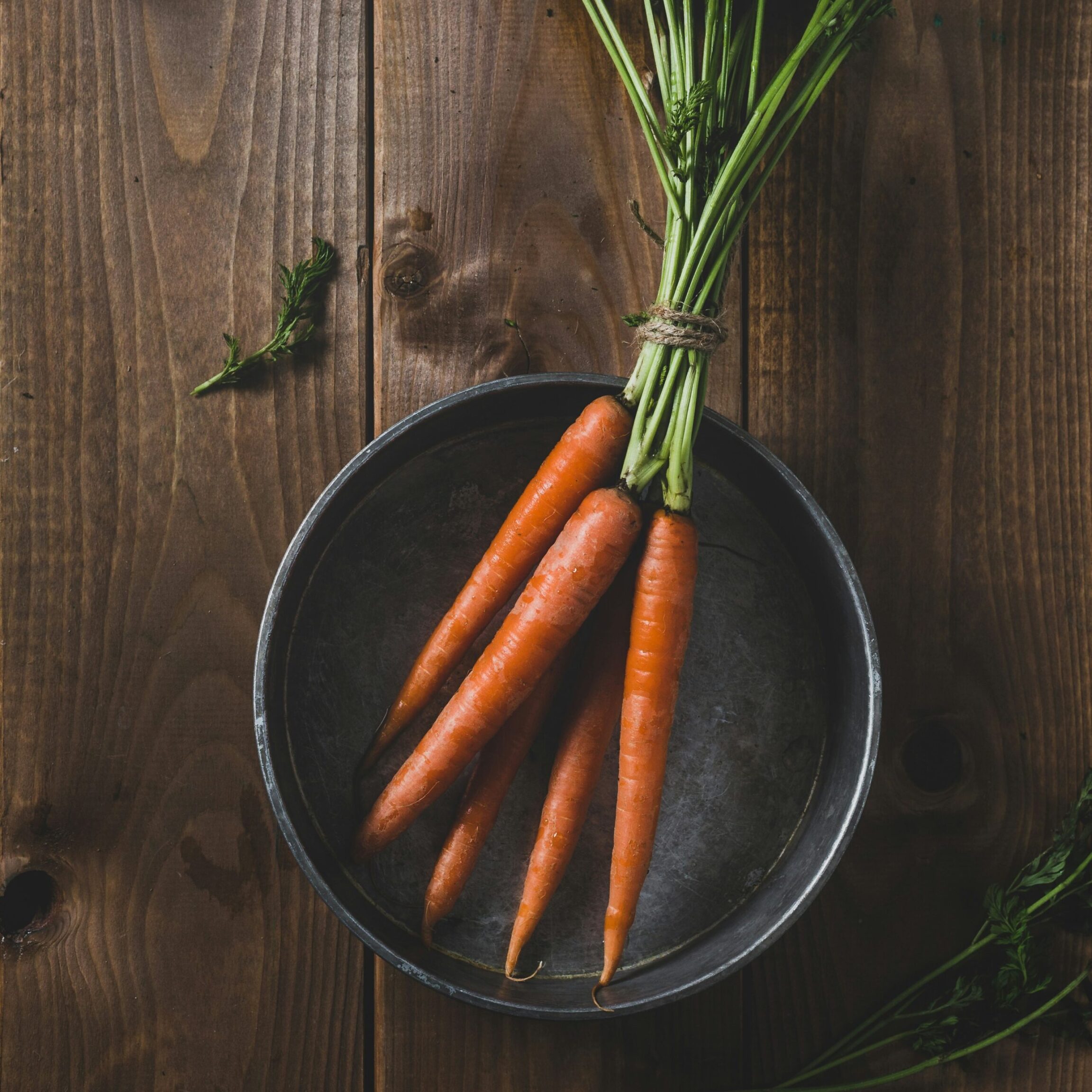
Starchy vegetables are also included on the Detox Food Plan, as these vegetables contain fiber and phytonutrients that are supportive of overall health. Like the leafy green vegetables, several starchy orange vegetables (e.g., pumpkin, squash, carrots, and sweet potatoes) contain carotenoids. Eating this phytonutrient family has been associated with better liver health. It is best to eat these vegetables with protein and/or fat to prevent blood sugar spikes that can happen when eating a starchy vegetable alone.
fruits
Phytonutrient-dense fruits can be helpful for detoxification because of the antioxidant protection they offer. They are a great choice for a simple snack or to satisfy a desire for something sweet. It’s typically better to eat fruit with a small amount of protein (e.g., nuts) to offset any potential blood sugar spikes.
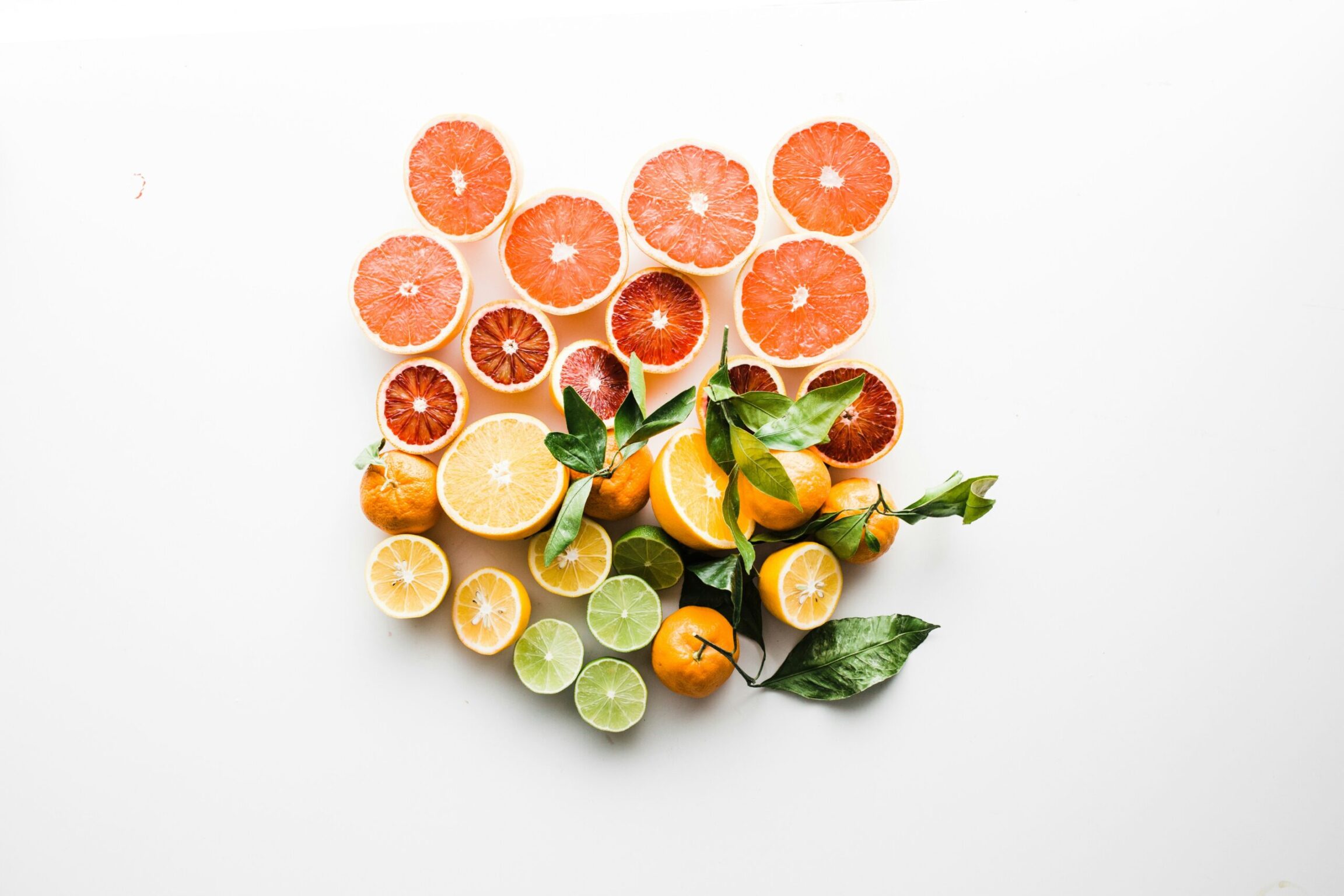
The vitamin C in fresh fruits, as well as raw vegetables, supports detoxification and protect the cells of the body. There is some research to suggest that citrus fruits in particular may be beneficial for detoxification. Be mindful that you may need to avoid grapefruit if you are taking certain medications; there are compounds in grapefruit that can interfere with the way some medications work in the body.
Therapeutic Foods: Citric Fruits (Grapefruit, Mandarins, Oranges, and Tangerines)
grains
As with dairy, gluten is not included on this food plan. Certified gluten-free (GF) whole grains, or those with an intact bran outer coat, provide an excellent source of dietary fiber to assist with detoxification. When purchasing oats, look for “certified gluten-free.”
Amaranth, buckwheat, millet, certified gluten-free oats, quinoa, and teff are healthy choices that add dietary fiber for better digestive regularity and detoxification. Gluten-containing grains should be avoided unless your functional medicine practitioner advises that these can be eaten.

beverages
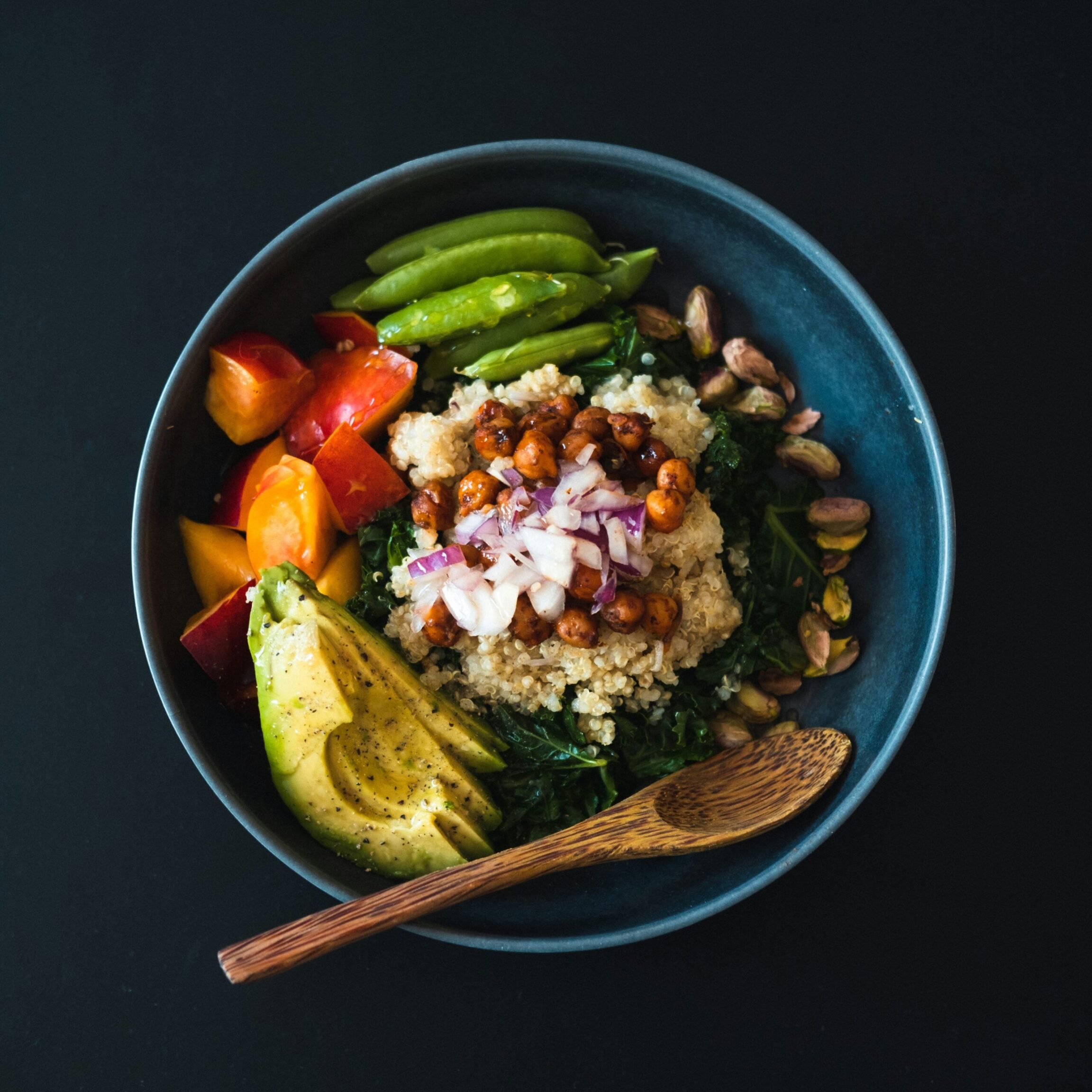
Hydration helps promote healthy bowel movements, enhances metabolism, and promotes satiety. Drinking water throughout the day has also been linked to improved mood, energy, and brain function. It is important to drink plenty of clean, filtered water throughout the day, as not drinking enough water may negatively impact your body’s ability to detoxify. Individual recommendations for fluid intake will depend upon a number of factors, including weight.
In addition to filtered water, low sodium broths (bone, vegetable), meat stocks, and other decaffeinated beverages like fresh, raw, cold-pressed vegetable juices are also good choices. All teas (black, green, herbal, etc.) are also recommended on the Detox Food Plan due to their anti-inflammatory effects. Green tea is highlighted as a therapeutic food on this plan, because it contains phytonutrients called catechins, which are beneficial for liver health.
Alcohol is omitted on this plan, as it is a well-known toxin to the liver. Avoiding alcohol while following this plan helps support the liver’s natural detoxification processes.
Therapeutic Foods: Green Tea
condiments
Most condiments available on store shelves are not permitted on the Detox Food Plan, as they contain added sweeteners and preservatives. However, homemade versions of many condiments—including mayonnaise, ketchup, and barbecue sauce—can be easily made with only a few approved ingredients.
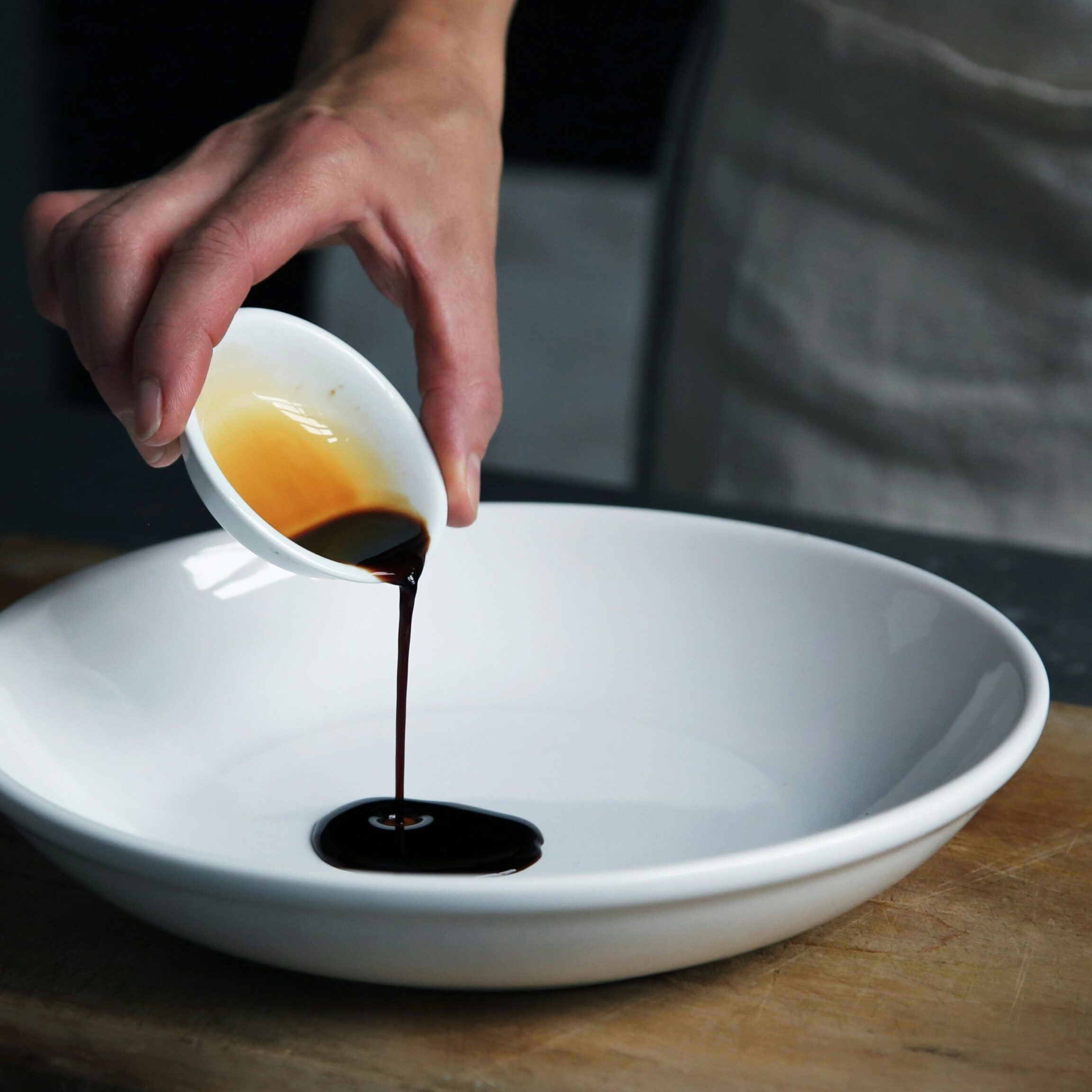
Store-bought mustards (Dijon, stone-ground, etc.) made without added sugars are permitted, as are vinegars (raw apple cider vinegar, balsamic vinegar, white, etc.). Also permitted are coconut aminos, fresh lemon and lime juice, miso, and tamari.
herbs & Spices
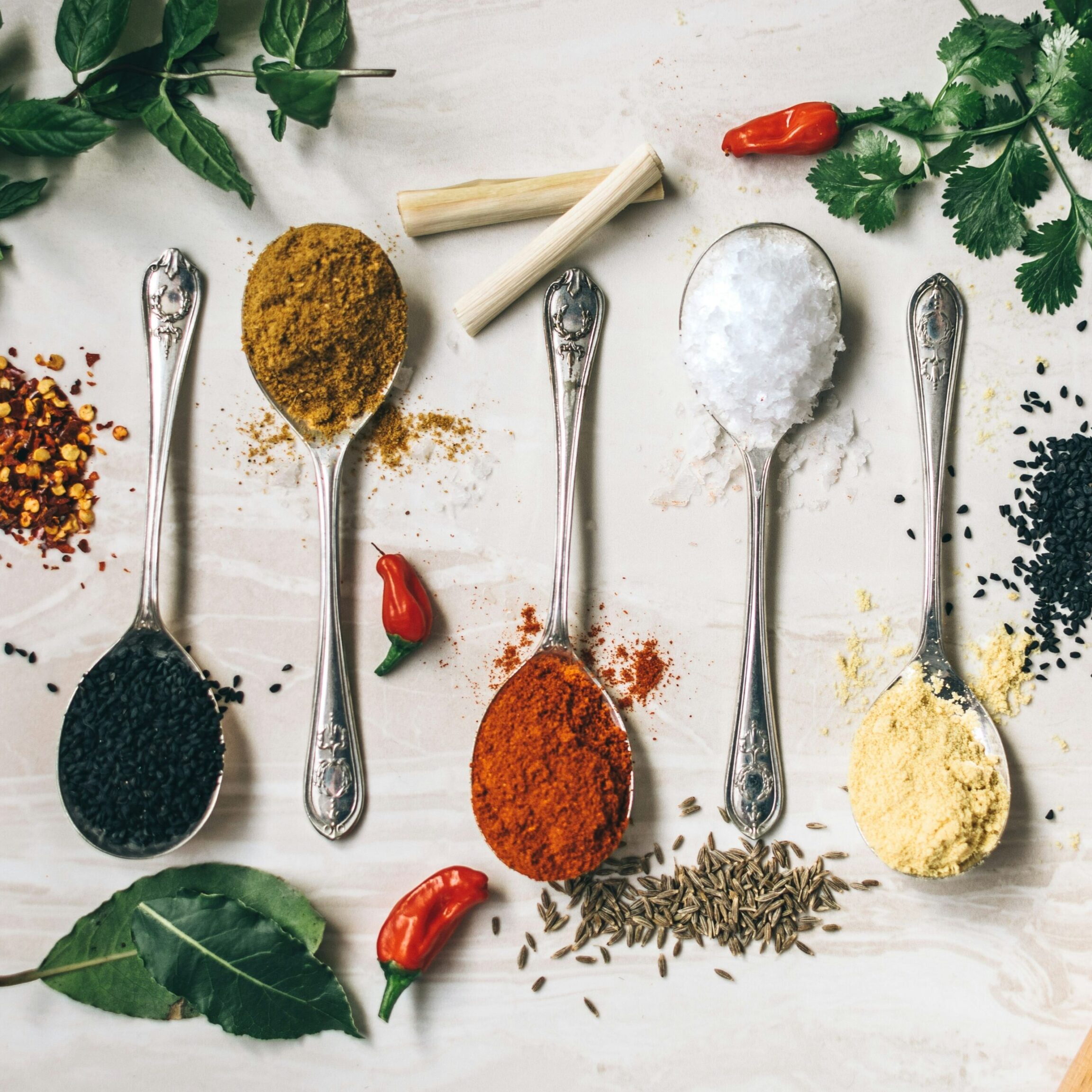
All herbs and spices are included in the Detox Food Plan. In studies, turmeric has been shown to be anti-inflammatory and beneficial for liver health. Garlic and cardamom have also been shown to be supportive for the liver, however all herbs and spices are excellent sources of a wide variety of health-promoting compounds. well-known toxin to the liver. Avoiding alcohol while following this plan helps support the liver’s natural detoxification processes.
Therapeutic Foods: All Herbs & Spices
Frequently Asked Questions
-
Food packaging is an essential aspect to consider in a detox program. Nowadays, many foods are packaged in cans, cellophane, foil, boxes, cardboard, metal, and plastic, all of which can impart chemicals to what we eat and drink. Aim for whole foods with minimal packaging or in higher-quality materials (e.g., non-BPA lined cans). Special attention should be placed on keeping plastic water bottles out of the heat.
-
Minimizing exposure to pesticides, insecticides, herbicides, and GMOs is the reason to buy organically grown food, especially when it comes to animal-based foods. They may be more expensive; however, the health effects from these toxins can be far more costly. Buy foods in season and from local farmers to keep the costs down. Making purchase decisions according to the annual “Dirty Dozen” and “Clean 15” lists from the Environmental Working Group (www. ewg.org) can also help people make informed and cost-effective grocery purchases.
-
Yes, however a genetics test is not required in order to follow the Detox Food Plan. There are a number of steps that can be taken with food and lifestyle to support general detoxification processes in the body. The tests for genetic variations in detoxification enzymes are potentially a worthwhile investment, depending on your personal and family health history. These tests only have to be done once, and they can help direct your healthcare practitioner in personalizing the Detox Food Plan.
-
When it comes to detox, many forms of fasting have been tried—juice or liquid fasting, intermittent fasting, caloric restriction, and many others. Each person should discuss this topic with their functional medicine practitioner to see whether fasting in any form would be helpful. As protein is key for healthy detoxification, most healthcare providers will continue to include quality protein during a break from ingesting food.
-
Detoxification requires energy. Calories are needed to fuel the pathways to move toxins through the system. Therefore, this food plan is not limited in calories. A specific calorie level may be recommended if other aspects of your health are being addressed (e.g., high blood sugar, weight loss). Furthermore, there may be times during a detox when nutritional supplements or powdered formulas may be used by a functional medicine provider to improve and balance the organs of elimination and detoxification, if this cannot be achieved with food alone.
-
Ideally, it is best to limit your intake of added sugars as they tend to create more inflammation, making it more difficult for the body to effectively clear toxins. Modest amounts of brown rice syrup, stevia, honey, maple syrup, fruit concentrates, and ripe fruit can be used.
-
Bread is not included on the Food List, but it would be acceptable to make bread from gluten-free flours (especially legume flours) with added protein (e.g., egg white, nut meal, flaxseeds, sesame seeds) and fiber (e.g., using whole grains like brown rice flour) as part of the Detox Food Plan. Gluten-containing grains should only be included as permitted by your functional medicine provider.
-
An ideal detox meal would have a small bowl of miso soup as the appetizer. Next, the entrée would be presented as half a plate of steamed green leafy greens and cruciferous vegetables, together with a serving of protein, such as wild-caught salmon lightly pan-fried in sesame oil with crushed garlic and minced ginger. A small serving of a high-protein grain like quinoa could accompany the meal. Lastly, an orange with a cup of green tea would serve as a dessert.
-
Raw cruciferous vegetables contain the highest amount of detoxifying phytonutrients. However, raw cruciferous vegetables are difficult for some people to digest. Steaming cruciferous vegetables like broccoli for about 90 seconds (to the point they become bright green) is best for digestion, yet does not cook the vegetables to the point where detoxifying compounds are destroyed.
-
Canned vegetables are not advised on a Detox Food Plan unless the can is not lined with plastic and/or labeled BPA-free, however, both fresh and frozen vegetables are recommended. To reduce cost and increase your variety, choose vegetables in season whenever possible. For example, try a cabbage salad in the winter, when highly nutritious cabbage is abundant.
-
The following guidelines for fish consumption are based on the Environmental Protection Agency recommendations:
- Do not eat shark, swordfish, king mackerel, or tilefish because they contain high levels of mercury.
- Eat up to 12 ounces (2 average meals) a week of a variety of fish and shellfish that are lower in mercury.
- Some of the most commonly eaten fish that are low in mercury are cod, sardines, salmon, pollock, and catfish.
- Another commonly eaten fish, albacore (“white”) tuna has more mercury than canned light tuna. Eat up to 6 ounces (one average meal) of albacore tuna per week.
- Check local advisories about the safety of fish caught by family and friends in local lakes, rivers, and coastal areas. If no advice is available, eat up to 6 ounces (one average meal) per week of fish caught from local waters, but don’t consume any other fish during that week.
-
As previously mentioned, protein is an essential component of detoxification processes. If an individual does not eat animal protein and does not eat soy protein for personal or health reasons, they can choose nuts, seeds, and other legumes, all of which provide quality protein for detoxification.
-
Although there is debate about canola oil because of the chance of genetic modification, the organic form contains a relatively high amount of anti- inflammatory omega-3 fats.
-
In essence, the two biggest sources of food allergies or intolerances—gluten and dairy—have been omitted from this food plan. Most people will complete an elimination diet to determine food triggers before transitioning into this longer- term Detox Food Plan. This food plan can be tailored to meet any needs related to food allergies or sensitivities.
-
Bisphenol A, commonly referred to as “BPA” is a chemical used in plastics. It is often used in plastic food storage and disposable food containers. Environmental toxins, like bisphenol A (BPA) can interfere with the body’s hormone receptors. Reduce your exposure to these hormone-disrupting substances by limiting how many packaged foods you eat, avoid plastic food containers and water bottles as much as possible, and never microwave foods in plastic.
resources & tools for success
The Detox Food Plan is intended as a long-term approach that enables the body to more efficiently process toxins. It works best when personalized for you. To support you in following this food plan, there are a number of other tools to help.
The following handouts are available from your functional medicine practitioner to support you with the Detox Food Plan:
- Detox Food Plan Bibliography
- Detox Food Plan Weekly Planner and Recipes
- Diet, Nutrition, and Lifestyle Journal
- 1 Day
- 3 Day
- 7 Day
- Phytonutrient Spectrum Foods
- Phytonutrient Spectrum Comprehensive Guide