





By Andie Schroeder |
How Often Should You Reapply Sunscreen for Oily Skin?
The Science-Backed Reapplication Routine for Oily & Acne-Prone Skin

For patients with oily skin, sunscreen has a reputation problem. The greasy finish, the fear of breakouts, the way it seems to undo everything you just did to manage shine.
It’s enough to make skipping it feel justified.
As skin health experts, we want to help you understand exactly why that instinct is worth reconsidering: how often to reapply, what actually causes SPF-related breakouts, which ingredients to seek out and which to avoid, and how to make sunscreen work with oily skin rather than against it.
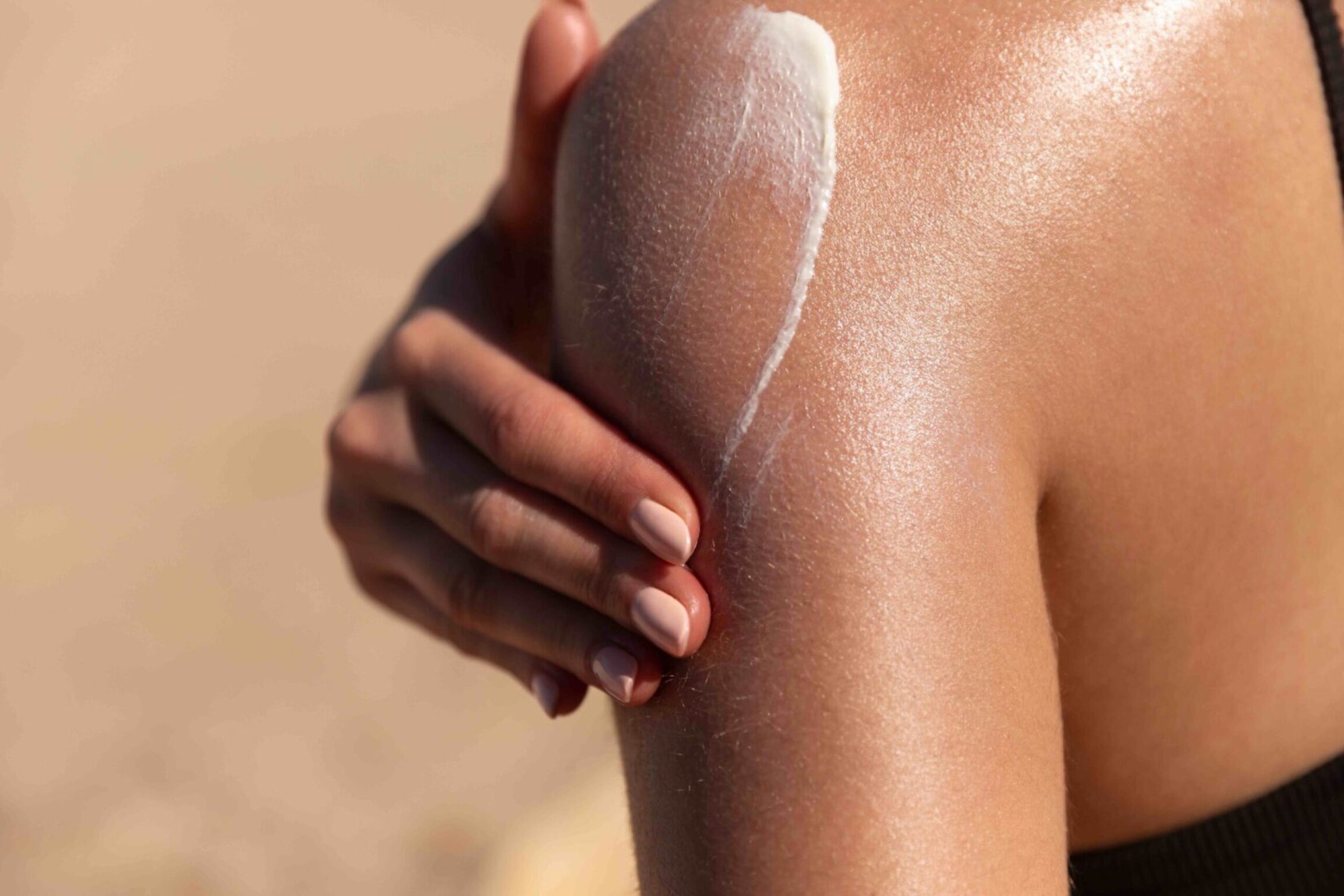
The Perfect Product vs. The Perfect Product for You
The truth is, sunscreen for oily skin is less about finding a product that doesn’t bother your skin and more about finding the right formulation for your skin type. Understanding the science behind why reapplication is non-negotiable regardless of skin type will help protect your skin health long-term!
Key Clinical Takeaways
- Oily skin does not mean SPF-free skin. Oil production and UV exposure operate independently; skipping sunscreen accelerates the very concerns patients with oily skin are already managing, including enlarged pores, uneven texture and hyperpigmentation.
- Sunscreen should be reapplied every two hours during sun exposure — every 60-90 minutes if you are in and out of the water. Sweat and excess sebum both degrade SPF effectiveness, often faster than the clock alone would.
- The right formulation matters far more than SPF number alone. Non-comedogenic, oil-free and mineral-based options have evolved significantly, and the right one won’t make oily skin worse.
Why Oily Skin & Sunscreen Feel Incompatible
The resistance is understandable. Most patients with oily skin have spent years learning to strip away excess oil, keep their routine lightweight and avoid anything that makes them look or feel greasy by noon. Then along comes sunscreen (historically thick, heavy and prone to sliding off) and the entire effort feels undermined before the day has started.
The discomfort most patients with oily skin associate with sunscreen is almost always a formulation problem, not an SPF problem. The product category has changed dramatically. Gel formulas, tinted fluids, powder sunscreens worn over makeup — none of these behave like the sunscreens that earned a bad reputation decades ago.
The Underlying Biology Behind Has Not Changed
Sebum (the oil your skin naturally produces) is not inherently problematic. But it is a real variable when it comes to sun protection. Excess oil on the skin’s surface can physically disrupt the UV filter in your sunscreen, breaking down the protective layer faster than it would on drier skin types.
This means that for oily skin, the argument for consistent reapplication is actually stronger, not weaker.
How Often Should You Actually Reapply?
The two-hour rule is the clinical standard, not a marketing technique to get you to use more product. It applies regardless of your SPF number, your skin type or whether you’re sitting near a window or spending the afternoon outside.

What the Two-Hour Rule Means Depends on Your Day:
- Office day with incidental sun: Reapply at least once at midday, particularly if you’re near windows. UVA rays penetrate glass. Cumulative exposure adds up even when it doesn’t feel like it.
- Outdoor day with greater exposure: Every two hours without exception, and immediately after swimming, sweating heavily or towel-drying. Water-resistant formulas still require reapplication on schedule.
- Workout or high-sweat activity: Reapply before and after. Sweat degrades SPF faster than almost any other variable, and oily skin compounds this effect.
Myth Busted: The Higher The Number, The Longer I’m Protected
One of the most persistent myths in skincare is that a higher SPF number extends how long you can go between applications. It does not.
A higher SPF offers stronger protection within a given window. It does not lengthen that window. SPF 50 still requires the same two-hour reapplication cadence as SPF 30.
“I very rarely see patients properly reapplying. My patients with more oily skin understandably want to avoid adding more product throughout the day. I typically recommend a powder or spray SPF to reapply every two to three hours.”
— Andie Schroeder, LME
Will Sunscreen Make Oily Skin Break Out?
Sunscreen itself does not cause breakouts. Certain sunscreen formulas can cause breakouts.
A Vital Distinction
Breakouts from SPF products are almost always traced back to one of two things: a comedogenic ingredient in the formulation, or a heavy emollient base that traps sebum under the skin’s surface. Neither of these is an inherent property of sunscreen as a category. They are formulation choices that can and should be avoided for oily and acne-prone skin types.
That said, one of the most common culprits has nothing to do with the formula itself. It’s incomplete removal at the end of the day. Patients who are new to wearing SPF daily often underestimate how thoroughly it needs to be cleansed off. A minimal-effort cleanse that worked fine before simply will not cut it once sunscreen is part of the routine.
Sunscreen Ingredients to Avoid for Oily or Acne-Prone Skin:
- Coconut oil, isopropyl myristate and other heavy emollients
- Oxybenzone and octinoxate (chemical filters that can irritate sensitive or reactive skin types)
- Thick creams or lotions with high occlusive content
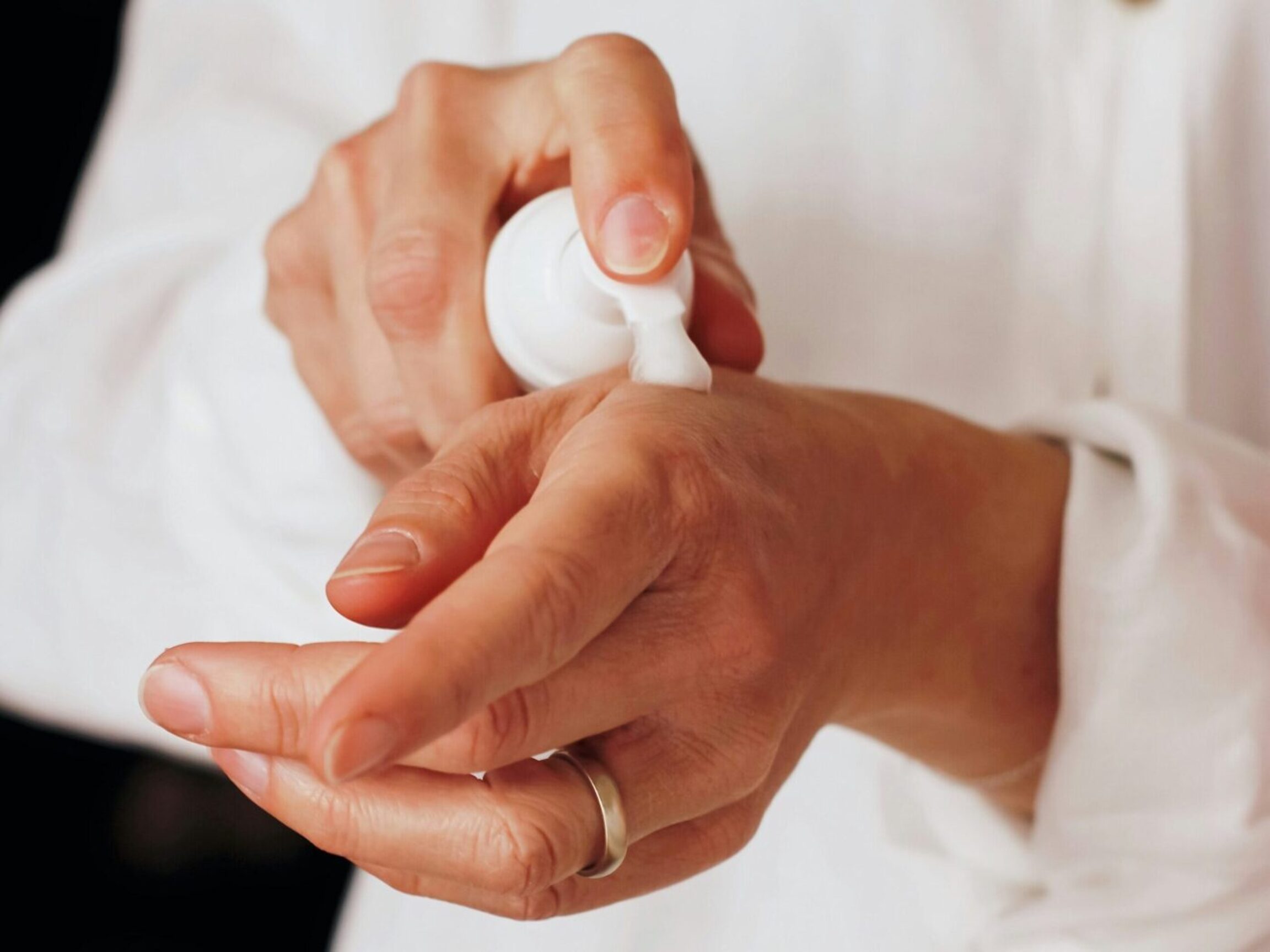
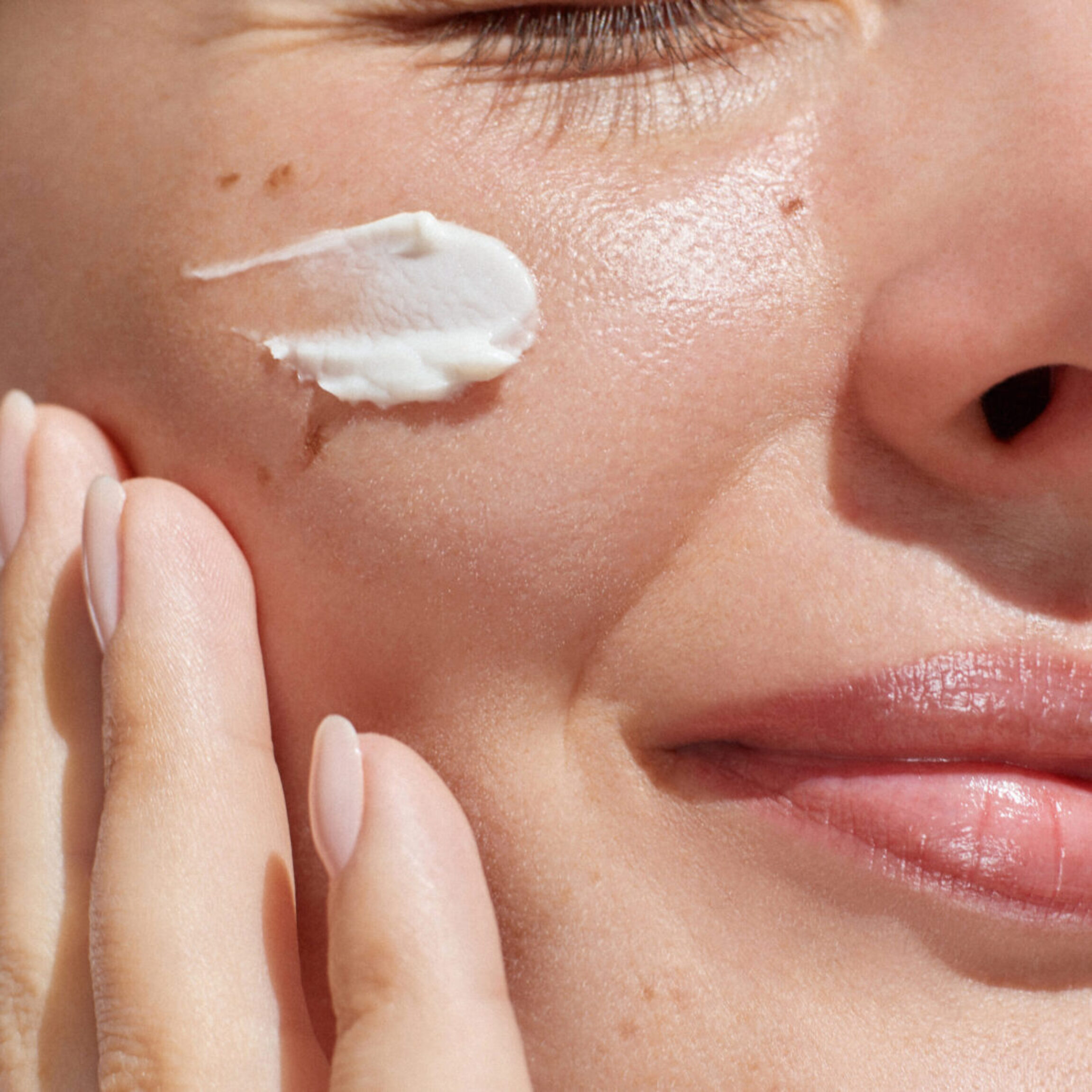
Sunscreen Ingredients to Look For:
- Zinc Oxide: A mineral filter that sits on top of the skin rather than absorbing into it, with natural anti-inflammatory properties that can actually benefit acne-prone skin
- Niacinamide: Increasingly common in SPF formulas, it helps regulate sebum production and supports the skin barrier
- Silica & Dimethicone: Mattifying agents that absorb excess oil throughout the day and improve wear
- “Non-Comedogenic” (On Label): Not a guarantee, but a meaningful signal that the formula has been evaluated for pore-clogging potential
Mineral Sunscreen vs. Chemical Sunscreen: Which Is Better for Oily Skin?
Chemical sunscreens require absorption into the skin to activate, which can feel heavier and interact with sebum production in some patients. Mineral sunscreens (most often zinc oxide and titanium dioxide) sit on the surface and deflect UV rays without that absorption step.
For oily and acne-prone skin, mineral formulas tend to be the more comfortable, more predictable option.
What to Look for in a Sunscreen for Oily Skin
Formulation type is where the conversation gets practical. Not all sunscreens are built the same, and for oily skin, the delivery format is just as important as the active ingredient.
Gel Formulas
Lightweight and absorb quickly, making them a strong choice for oily skin patients who want protection without any residual weight or shine. Tend to work well as a standalone morning step before makeup.
Fluid/Serum Formulas
Offer a similar lightweight finish with slightly more slip, which can help with even application over larger areas. Many of the best-performing SPF fluids for oily skin are also tinted, which allows them to also provide light coverage.
Tinted SPF
Well-formulated tinted sunscreen evens tone, reduces the appearance of shine while eliminating one step from the morning routine — all without the pore-clogging risk of heavier foundations layered over SPF.
Powder Sunscreens
The practical solution to the reapplication-over-makeup problem. They exist, they work and they’ve made midday reapplication significantly more realistic for patients who wear makeup.
Clinical Note: When evaluating any formula, look for oil-free and non-comedogenic on the label, prioritize mineral filters (zinc oxide, titanium dioxide) and pay attention to the base ingredients, not just the “active ingredients.”
A Professional Recommendation
Sunbetter TONE SMART SPF 75 Sunscreen Lotion by SkinBetter Science
For patients who want a single product that addresses oily skin’s specific needs without compromise, the sunbetter TONE SMART SPF 75 Sunscreen Lotion from SkinBetter Science is one of our go-to recommendations.
Its formulation is exceptionally smooth (not heavy, not greasy) and the hint of color it provides makes it one of the more wearable daily SPF options we’ve seen at this protection level. SPF 75 offers meaningful additional protection for patients with sun-sensitive or post-treatment skin.
Environ and colorescience offer strong, oily-skin-compatible SPF options across multiple formulation types.
“Mineral sunscreen will always have a level of ‘whiteness’ to it — it’s literally the way the product is designed to work. Zinc oxide is a white, light-reflecting powder that creates a physical cast over the skin, deflecting UV rays. This makes it incredibly hard to formulate in a way that’s truly invisible. My advice? Blend, blend, blend. Or turn to a tinted mineral SPF.”
— Andie Schroeder, LME
How to Reapply Sunscreen Over Makeup
You’ve done your morning routine. You’re wearing foundation, concealer, maybe a setting powder. Reapplying a liquid or cream SPF at noon means starting over.
Most patients really don’t feel like doing that.
The Solution: A High Quality Powder Sunscreen
A mineral SPF powder applied over existing makeup reactivates protection without disturbing what’s underneath. It takes approximately 30 seconds, it controls shine at the same time and it requires nothing more than a brush.
colorescience makes an excellent powder SPF option that we carry and recommend specifically for this use case.
Practical Tips for Midday Reapplication Over Makeup:
- Blot excess oil with a clean blotting paper first; this gives the SPF powder a cleaner surface to adhere to and extends both the makeup wear and the protection.
- Apply in thin, even layers rather than one heavy pass to keep protection as balanced as possible.
- SPF-infused setting sprays are an option, but have limitations; they don’t always deliver adequate coverage uniformly, and SPF concentration can vary significantly. Use them as a supplement, not a substitute for reapplication.
Clinical Note: For patients who prefer a liquid reapplication, a lightweight SPF fluid applied to a clean makeup sponge and pressed (not rubbed) over the face can work reasonably well without fully disrupting the base underneath.
Beyond Sun Protection
Medspa Treatments to Manage Oily Skin
Consistent sun protection is the foundation of any skin health routine. However, if you’re dealing with persistent oiliness, enlarged pores or congestion that SPF alone isn’t resolving. The following professional treatments can address the underlying drivers more directly.

Morpheus8
Uses radiofrequency energy delivered through microneedling to remodel the dermis and target sebaceous gland activity. For patients with chronically oily skin or enlarged pores, it can reduce oil production at a structural level instead of just managing breakouts on the surface.
Uses radiofrequency energy delivered through microneedling to remodel the dermis and target sebaceous gland activity. For patients with chronically oily skin or enlarged pores, it can reduce oil production at a structural level instead of just managing breakouts on the surface.

Excessive Sweating
In select cases, neurotoxins can be used to block the chemical signals that activate glands, specifically in the areas of oil gland overactivity. It is a targeted option worth discussing if persistent oiliness significantly affects your quality of life or your ability to maintain SPF protection throughout the day.
In select cases, neurotoxins can be used to block the chemical signals that activate glands, specifically in the areas of oil gland overactivity. It is a targeted option worth discussing if persistent oiliness significantly affects your quality of life or your ability to maintain SPF protection throughout the day.
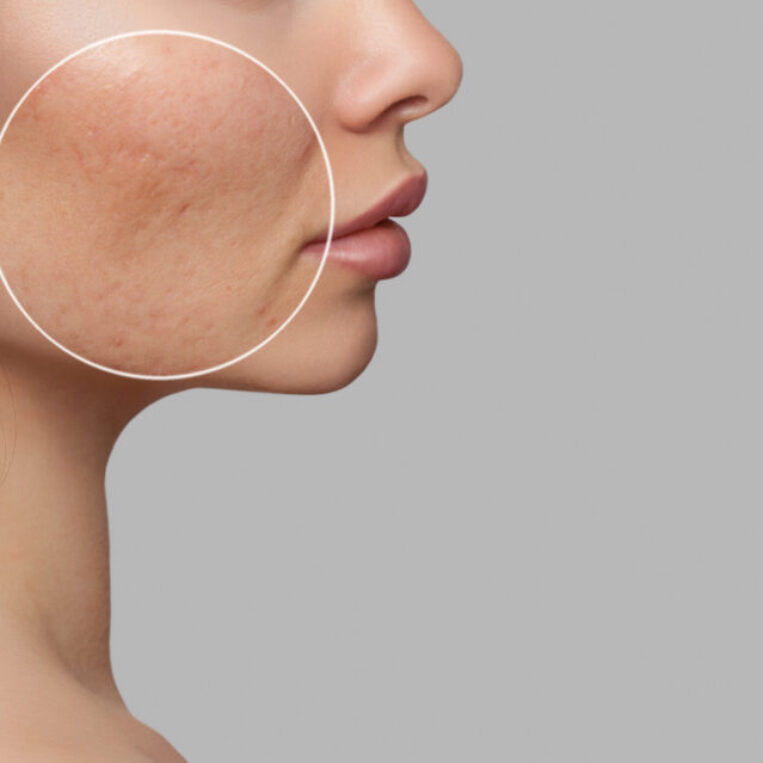
Acne Treatments
Persistent oiliness isn’t always a product problem. A skilled provider will look at the full picture (hormone health, nutrition and skin behavior) before building a routine that works for you. This program leverages lifestyle modifications, medical-grade skincare, spa facials and whatever else your skin may need.
Persistent oiliness isn’t always a product problem. A skilled provider will look at the full picture (hormone health, nutrition and skin behavior) before building a routine that works for you. This program leverages lifestyle modifications, medical-grade skincare, spa facials and whatever else your skin may need.
“Many people think they are truly oily when in reality, it could be an inadequate at-home routine or not properly supporting their skin with hydration. Skin will overproduce oil to make up for a lack of moisture — & a lot of patients with oily skin don’t use moisturizer because they’re so oily, when in reality, that is why they’re so oily. Meeting with an aesthetician is always recommended to truly assess your skin & review your at-home care.”
— Andie Schroeder, LME

About the Author
Andie Schroeder, LME, is a licensed medical aesthetician specializing in skin health, the therapeutic management of oily skin and cosmetic tattooing in Columbus, Ohio. She brings clinical precision to every patient interaction, drawing on her experience with a full range of medspa treatments to help patients love their skin more and understand it better.
Related Articles

Read More Sculptra & Radiesse
Sculptra & Radiesse
Aubrey Wilcox, PA-C, explores the key differences between 2 of the most popular cosmetic biostimulators & how she helps patients choose the right solution.

Read More An Expert Look at Hannah Berner’s Masseter Botox Video
An Expert Look at Hannah Berner’s Masseter Botox Video
Paige Brudzinski, RN, breaks down the science behind what actually caused Hannah's "frozen smile," along with how experienced injectors keep it from happening in the first place.

Read More Functional Medicine vs. Naturopathic Medicine
Functional Medicine vs. Naturopathic Medicine
Functional medicine & naturopathic medicine share a similar mission, but they aren't the same thing. Learn the key differences in training, modalities & approach — especially if you're in Ohio.