





Author: Claire Hinkle, PA-C
Claire Hinkle, PA-C, is a skilled physician assistant at Donaldson Plastic Surgery in Columbus, Ohio. She primarily write articles that help patients understand more about the treatments she provides, including Botox injections, filler injections, laser skin therapy and other skin health services.
By Claire Hinkle, PA-C |
Most Common Skin Concerns of 2025
The Aesthetic Skin Concerns Patients Told Us Were Most Top-of-Mind

Skin concerns are highly personal! They’re shaped by everything from age, dedication to skincare, to how many smiles you gave throughout your life.
While everyone’s experience is unique, we’ve compiled the most commonly selected aesthetic facial skin concerns reported by individuals over the past year. This data does not include structural concerns (like rhinoplasty), functional issues (like hyperhidrosis) or enhancements (like lip filler or hair restoration).
Here are the Most Common Face Skin Concerns of 2025, based on real survey data submitted to Donaldson Plastic Surgery.
Key Takeaway
We don’t like fine lines. We don’t like wrinkles. But more patients than we realized dislike their moles & skin tags!
#1: Fine Lines
(28.1% of Respondents)
Fine lines are often the first visible sign of skin aging. They typically begin to appear in your late 20s to early 30s, and the sooner you address them, the better your chances of softening their appearance before they deepen into creases.
Some of the Solutions We Use to Treat Fine Lines:
-
Botox: Temporarily relaxes facial muscles to prevent fine lines from deepening with movement.
-
Fillers: Restores subtle volume and smooth areas where skin has begun to crease.
-
Halo Lasers: Uses hybrid fractional laser technology to resurface skin and promote collagen regeneration.
-
Morpheus8: Combines microneedling and radiofrequency to tighten skin and improve texture at the cellular level.

#2: Wrinkles & Loose Skin
(23.8% of Respondents)
Wrinkles form over time due to natural collagen loss, repetitive movement and environmental exposure. Loose skin becomes more prominent as skin elasticity decreases. Depending on severity and existing facial features, surgical intervention may be required for optimal results.
Some of the Solutions We Use to Treat Wrinkles & Loose Skin:
-
Morpheus8: Tightens sagging skin and improves the appearance of deeper wrinkles through fine-tuned microneedling.
-
Filler: Restores volume loss and smooths deeper static wrinkles in strategic areas of the face.
- Microneedling: Stimulates collagen production for mild-to-moderate wrinkles using fine, controlled skin injury.
-
Facelift Surgery: Offers a long-lasting solution for moderate to severe sagging, jowling and deep lines.
Note About Aesthetic Symptoms: Fine lines, wrinkles, loose skin and facial volume loss often overlap, especially when patients bring them to us as concerns. But each symptom stems from different underlying causes and requires tailored solutions. A credentialed provider can help you understand which is most relevant to your appearance.

Moles & Skin Tags
(20.0% of Respondents)
This one surprised us, but it tracks! More patients are turning to aesthetics-focused providers for the removal of noncancerous moles and skin tags. Our approach is designed to minimize visible scarring and prioritize the final cosmetic result, which is something many freeze-off methods can’t offer.
This one surprised us, but it tracks! More patients are turning to aesthetics-focused providers for the removal of noncancerous moles and skin tags. Our approach is designed to minimize visible scarring and prioritize the final cosmetic result, which is something many freeze-off methods can’t offer.

Texture
(19.1% of Respondents)
Uneven texture can feel like sandpaper or show up as dull, blotchy skin. It’s often caused by a buildup of dead skin, chronic inflammation or damage from the sun and acne. Treatments like chemical peels, microneedling and laser resurfacing are commonly used to refine skin texture and promote a more even feel.
Uneven texture can feel like sandpaper or show up as dull, blotchy skin. It’s often caused by a buildup of dead skin, chronic inflammation or damage from the sun and acne. Treatments like chemical peels, microneedling and laser resurfacing are commonly used to refine skin texture and promote a more even feel.

“I Just Want Healthier Skin”
(17.0% of Respondents)
This response says so much in so few words. Patients are more informed than ever. However, they’re also trusting credentialed experts to help navigate the overwhelming world of skincare.
This response says so much in so few words. Patients are more informed than ever. However, they’re also trusting credentialed experts to help navigate the overwhelming world of skincare.
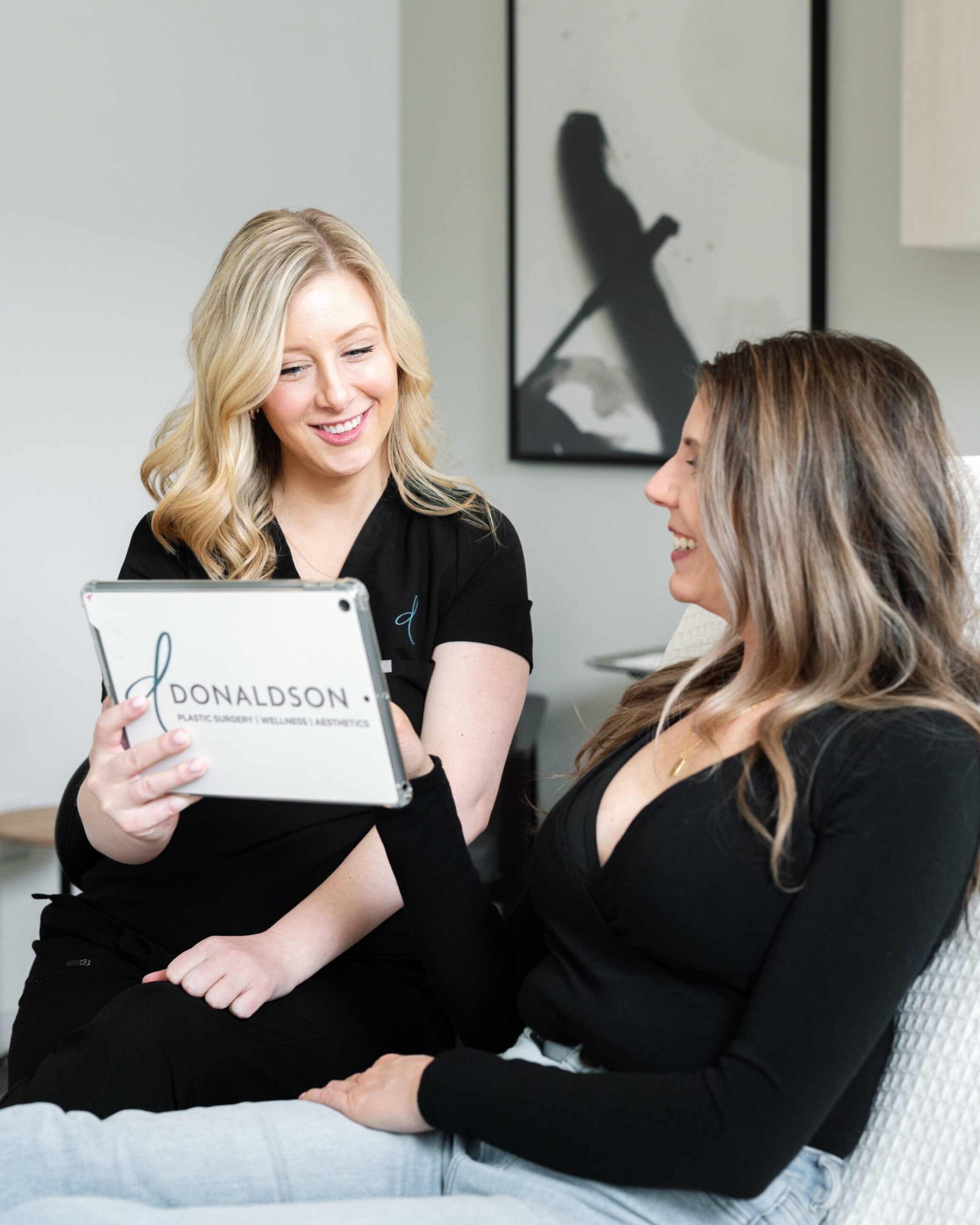
“I Just Want Healthier Skin”
“These are some of my favorite patients! They’re open to long-term plans & they’re ready for the dedication. These plans bring together in-office treatments, medical-grade skincare regimens & lifestyle changes that support lifelong skin health.
– Claire Hinkle, PA-C

Hyperpigmentation / Uneven Tone
(15.6% of Respondents)
Dark spots. Melasma. Sun damage.
Hyperpigmentation goes by many names and comes in many forms. Often worsened by UV exposure or hormonal shifts, it’s deeply frustrating to treat on your own. That’s why we turn to tools like BBL HERO, Moxi laser skin therapy and custom topical regimens to fade discoloration and even out skin tone over time.
Dark spots. Melasma. Sun damage.
Hyperpigmentation goes by many names and comes in many forms. Often worsened by UV exposure or hormonal shifts, it’s deeply frustrating to treat on your own. That’s why we turn to tools like BBL HERO, Moxi laser skin therapy and custom topical regimens to fade discoloration and even out skin tone over time.

Thin / Uneven Eyebrows
(15.4% of Respondents)
Many of our patients want to bring more shape, structure and fullness to their look. Whether your brows have thinned over time or you’ve always had uneven growth, we offer microblading, permanent eyebrow tattooing, tinting and waxing to help you reach your preferred brow shape and definition.
Many of our patients want to bring more shape, structure and fullness to their look. Whether your brows have thinned over time or you’ve always had uneven growth, we offer microblading, permanent eyebrow tattooing, tinting and waxing to help you reach your preferred brow shape and definition.

Acne Scarring
(12.7% of Respondents)
Not all acne scarring is the same. That’s why treatment plans vary so widely. For deeper scarring, we’re seeing strong results with Halo laser treatments or SkinPen Microneedling paired with Ariessence PDGF to help rebuild damaged tissue. Forever Clear BBL, chemical peels and certain medical-grade skincare products can be used to mitigate lesser acne scars.
Not all acne scarring is the same. That’s why treatment plans vary so widely. For deeper scarring, we’re seeing strong results with Halo laser treatments or SkinPen Microneedling paired with Ariessence PDGF to help rebuild damaged tissue. Forever Clear BBL, chemical peels and certain medical-grade skincare products can be used to mitigate lesser acne scars.

Dull Skin
(10.9% of Respondents)
Caused by dead skin cell buildup or slowed cellular turnover. Treatments like dermaplaning, chemical peels and regular exfoliation help restore radiance.
Caused by dead skin cell buildup or slowed cellular turnover. Treatments like dermaplaning, chemical peels and regular exfoliation help restore radiance.

Stubborn Fat
(8.6% of Respondents)
When fat deposits appear under the chin or along the jawline, we may use Kybella, CoolSculpting or Morpheus8 to target these areas. More significant cases may require submental liposuction.
When fat deposits appear under the chin or along the jawline, we may use Kybella, CoolSculpting or Morpheus8 to target these areas. More significant cases may require submental liposuction.

Facial Volume Loss
(7.0% of Respondents)
We use strategically placed dermal filler to restore balance, often redirecting patients away from undereye filler alone and toward midface support. Facial fat grafting may be considered for advanced volume loss.
We use strategically placed dermal filler to restore balance, often redirecting patients away from undereye filler alone and toward midface support. Facial fat grafting may be considered for advanced volume loss.
#12: Adult Acne
(5.7% of Respondents)
Our 3-month Acne Bootcamp starts with a root cause investigation, which may uncover hormone imbalance, dietary triggers or topical product reactions. The earlier we treat, the better your chances of avoiding future scarring.
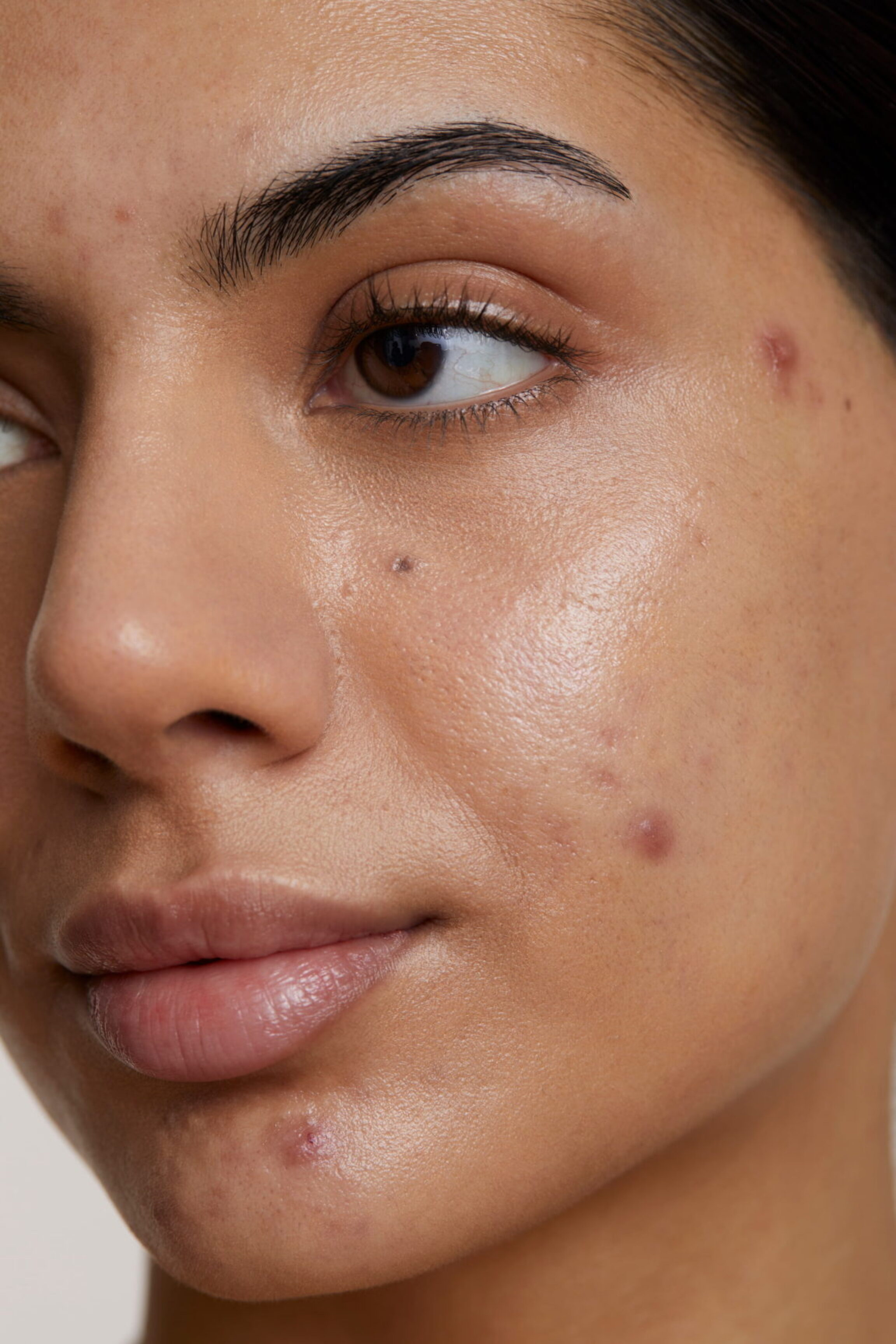
“Adult acne is real. It’s been uplifting to hear more patients seeking solutions & openly talking about it. For too long, there was this stigma surrounding it. But why? Most of the time, you really can’t control breakouts without some serious interventions & knowledge!”
-Claire Hinkle, PA-C

#13: Unwanted Hair
(4.3% of Respondents)
From peach fuzz to coarse chin hair, unwanted hair was one of the more under-discussed but clearly present concerns — at least as it pertains to facial hair (vs. body hair removal). Laser hair removal offers longer-lasting solutions, while dermaplaning remains a popular, satisfying and no-downtime choice for removing fine facial hair.
Finding Solutions Most Suitable for Skin Types, Tones & Goals
Each face is different. Your skincare plan should reflect that.
Our providers emphasize education and aggressively transparent conversation to find solutions that feel safe, effective and sustainable. We discuss lifestyle habits and schedules. We look at the makeup products you like. We dig deeper into your personal experiences with previous professional treatments.
“As care providers, we’re working to achieve your preferred aesthetic goals, while tailoring solutions to your anatomy. We are building a plan that works with your existing features — not against them.”
-Claire Hinkle, PA-C
About The Author
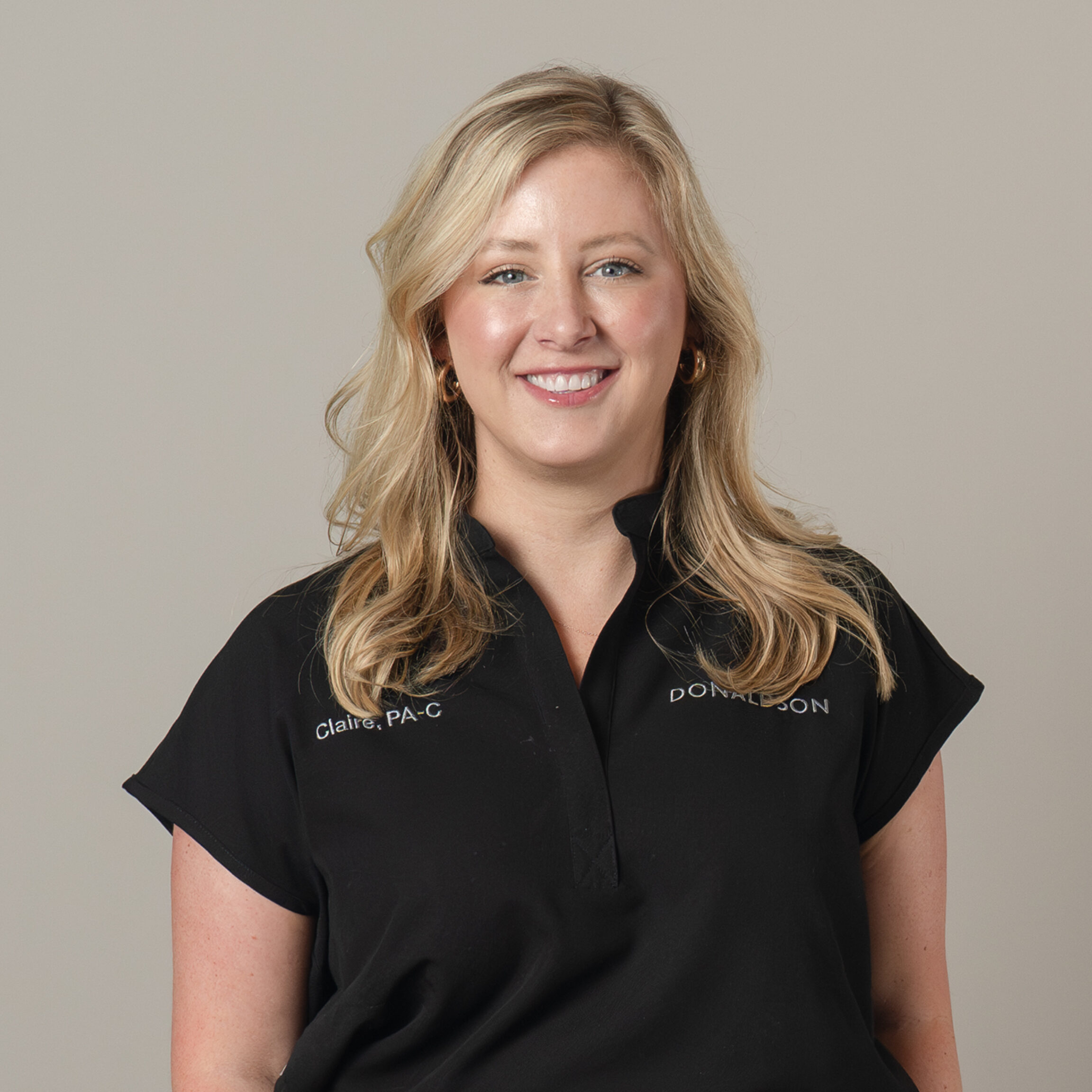
Claire Hinkle, PA-C, is an aesthetic medicine expert in Columbus, Ohio. She specializes in a variety of facial rejuvenation treatments, including laser therapy, neurotoxin injections, dermal filler injections and skin resurfacing techniques. Claire is passionate about empowering her patients through education and offering them the tools they need to feel confident in their decisions!
About the Data
Methodology & Data Collection
The data used in this report was generated from 12 months of patient surveys submitted through our website at Donaldson Plastic Surgery. More than 750 HIPAA-compliant entries were analyzed without any patient names or identifying information.
Patients were allowed to select multiple concerns, which is reflected in the data structure.
| Concern | % of Respondents |
|---|---|
| Fine Lines | 28.1% |
| Wrinkles / Loose Skin | 23.8% |
| Moles & Skin Tags | 20.0% |
| Texture | 19.1% |
| “I Just Want Healthier Skin” | 17.0% |
| Hyperpigmentation / Uneven Tone | 15.6% |
| Thin / Uneven Eyebrows | 15.4% |
| Acne Scarring | 12.7% |
| Dull Skin | 10.9% |
| Stubborn Fat | 8.6% |
| Face Volume Loss | 7.0% |
| Adult Acne | 5.7% |
| Unwanted Hair | 4.3% |
For a breakdown of exact total respondents per each concern selection, please contact us directly.
Related Articles


Read More Most Popular Neurotoxin of 2025
Most Popular Neurotoxin of 2025
See which wrinkle relaxer solution our patients were treated with most throughout 2025!

Read More The Most Frequently Asked Questions of 2025
The Most Frequently Asked Questions of 2025
Our practice showed up in more than 5,914,393 online searches! These are the most frequently asked questions we were asked throughout the year, along with their answers.
By Claire Hinkle, PA-C |
How Filler Enhances The Eyes
Hyaluronic Acid Injections To Achieve A Naturally Refreshed Look

Our eyes are one of the fastest and most expressive reflections of our health and vitality. While there are countless eye creams, patches and promises on the market (and on social media), filler injections remain a gold standard option for those beginning to see signs of aging. It works, it’s relatively comfortable and it offers an approachable entry point to aesthetic treatments.
What Causes Undereye Volume Loss?
The fat pads under our eyes begin to thin, shift and descend as we age. Collagen and elastin production also begin to slow down, leading to weaker connective tissue and increased skin laxity. This volume loss, in combination with natural changes to bone density and facial structure, creates the shadowing and hollowness that many people notice in the mirror.
Beyond natural aging, factors that contribute to increased volume loss include genetics, chronic stress, poor sleep quality, rapid weight loss, environmental damage and hormonal changes.
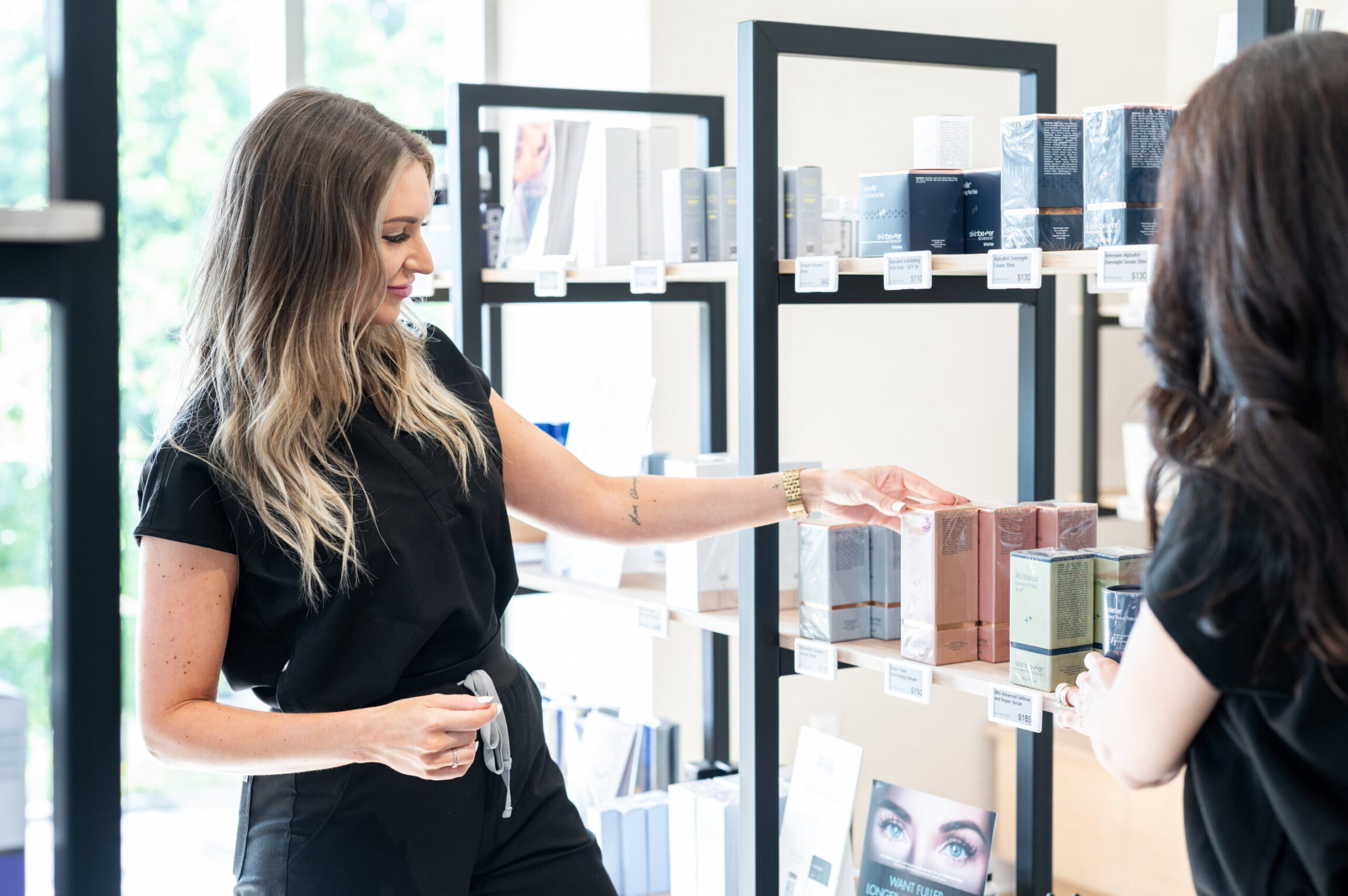
At Some Point, Great Skincare Products May Not Be Enough
Medical-grade, topical skincare does a phenomenal job of addressing pigmentation, hydration and surface texture. However, it can’t replace volume beneath the skin. That’s where filler offers its greatest benefits. Hyaluronic acid injections support the skin from the inside out.
“Combining filler with consistent, high-quality skincare creates even better results. Remember: Skin health is healthcare!”
– Claire Hinkle, PA-C
Types Of Filler Used Around The Eyes
Expert injectors use specialized hyaluronic acid-based fillers like Restylane-L, Volbella and, our preferred product, RHA Redensity for the delicate undereye area. These formulations are chosen for their smooth consistency, minimal swelling and natural-looking finish. These factors make them ideal for thin-skinned, movement-prone regions like the tear troughs.
Cheek Filler For Under Eye Hollows
Midface volume plays a significant role in how the undereye appears. By adding support to the cheeks, we can reduce eye bags, along with the shadowing and puffiness that often show up beneath the eyes without surgical intervention.
“Patients often ask me about tear trough filler to help with their under eyes. But the real secret weapon for this area is cheek filler! We can do so much just by restoring volume to the cheeks.”
– Claire Hinkle, PA-C
Cheek Filler Can Also Improve Other Common Concerns At The Same Time
Cheek filler doesn’t just lift the eyes, it can also contour the jawline, enhance facial balance and improve nasolabial folds all at once. The face is interconnected, and cheek filler helps bring everything together again.
How Long Does Cheek Filler Last?
Cheek filler tends to be one of the longer-lasting options, with most patients seeing results for 12 to 18 months. The structural nature of this area means it metabolizes more slowly, especially when placed with precision.
Do I Need Under Eye Filler?
Undereye filler (also known as “tear trough filler”) becomes a thoughtful next step when cheek filler alone no longer provides the support needed to smooth or brighten the undereye area. This decision is made collaboratively between you and your provider, taking into account your facial anatomy, your comfort level and the advanced skill required to treat this delicate region responsibly and effectively. This is considered a more advanced injection technique that is used sparingly, only after other solutions (like cheek filler, Botox and PDGP rejuvenation) have been ruled out or exhausted.

Is Filler Safe Around The Eyes?
Patient safety and comfort are paramount. This area requires not only the right product but the right provider. Advanced injectors have in-depth anatomical knowledge, specialized training and gentle techniques to administer safe and effective treatments. Unique to our practice, our providers offer ultrasound-guided injections to deliver exceptional results while minimizing risks.
How Long Does Tear Trough Filler Last?
Most undereye fillers last anywhere from 9 to 12 months, depending on the patient’s metabolism and the type of filler used. With proper placement and aftercare, many patients enjoy a refreshed look that extends beyond the one-year mark.

Filler & Botox: The Perfect Pairing For Nonsurgical Eye Enhancement
While filler addresses volume, Botox complements those results by smoothing dynamic wrinkles around the eyes including crow’s feet and frown lines. Together, they offer a subtle yet powerful enhancement that keeps the eye area looking bright, rested and alert.
“I tell my patients all the time: We can’t stop time — and that’s OK! Aging is beautiful. And aging gracefully means working with your body, not against it, and injectable filler is one of the most powerful tools that we have in the toolbox.”
– Claire Hinkle, PA-C
When To Consider Cosmetic Surgery
If filler alone isn’t addressing your concerns, surgical options like upper or lower blepharoplasty and brow lifts may be the next step. These procedures offer more permanent solutions for excess skin, severe puffiness or drooping. An experienced aesthetic provider can help you determine if eyelid surgery is the next step for you as you seek a more refined look and more noticeable results.
About The Author
Claire Hinkle, PA-C, is a highly skilled filler injection specialist in Columbus, Ohio. She specializes in dermal fillers, Botox, laser treatments and more — using each nonsurgical intervention as a tool to ensure her patients’ outward appearance reflects their internal energy and confidence. Claire approaches every treatment with a focus on precision, comfort and natural-looking results that enhance (rather than alter) your unique features.
Related Articles

Read More Most Common Skin Concerns of 2025
Most Common Skin Concerns of 2025
Fine lines. Wrinkles. Skin tags? See what the top skin concerns of 2025 were, based on real Donaldson Plastic Surgery data!
Read More The Most Frequently Asked Questions of 2025
The Most Frequently Asked Questions of 2025
Our practice showed up in more than 5,914,393 online searches! These are the most frequently asked questions we were asked throughout the year, along with their answers.
By Claire Hinkle, PA-C |
How Can I Improve My Jawline?
Safe & Effective Solutions To Strengthen Jaw Appearance

A strong, well-defined jawline is often associated with masculinity and attractiveness. Many men seek to enhance their jawline through surgical and nonsurgical methods, as well as lifestyle changes and daily exercises designed to strengthen the muscles around the chin. We use our professional experiences and aesthetic expertise to help men answer the question “How can I improve my jawline?” with safe and effective solutions.
Surgical Solutions
Chin Liposuction
Chin liposuction is a straightforward surgical procedure that removes excess fat from beneath the chin and along the jaw. This helps to refine the contours of the lower face, enhancing the overall definition and appearance of the jawline.
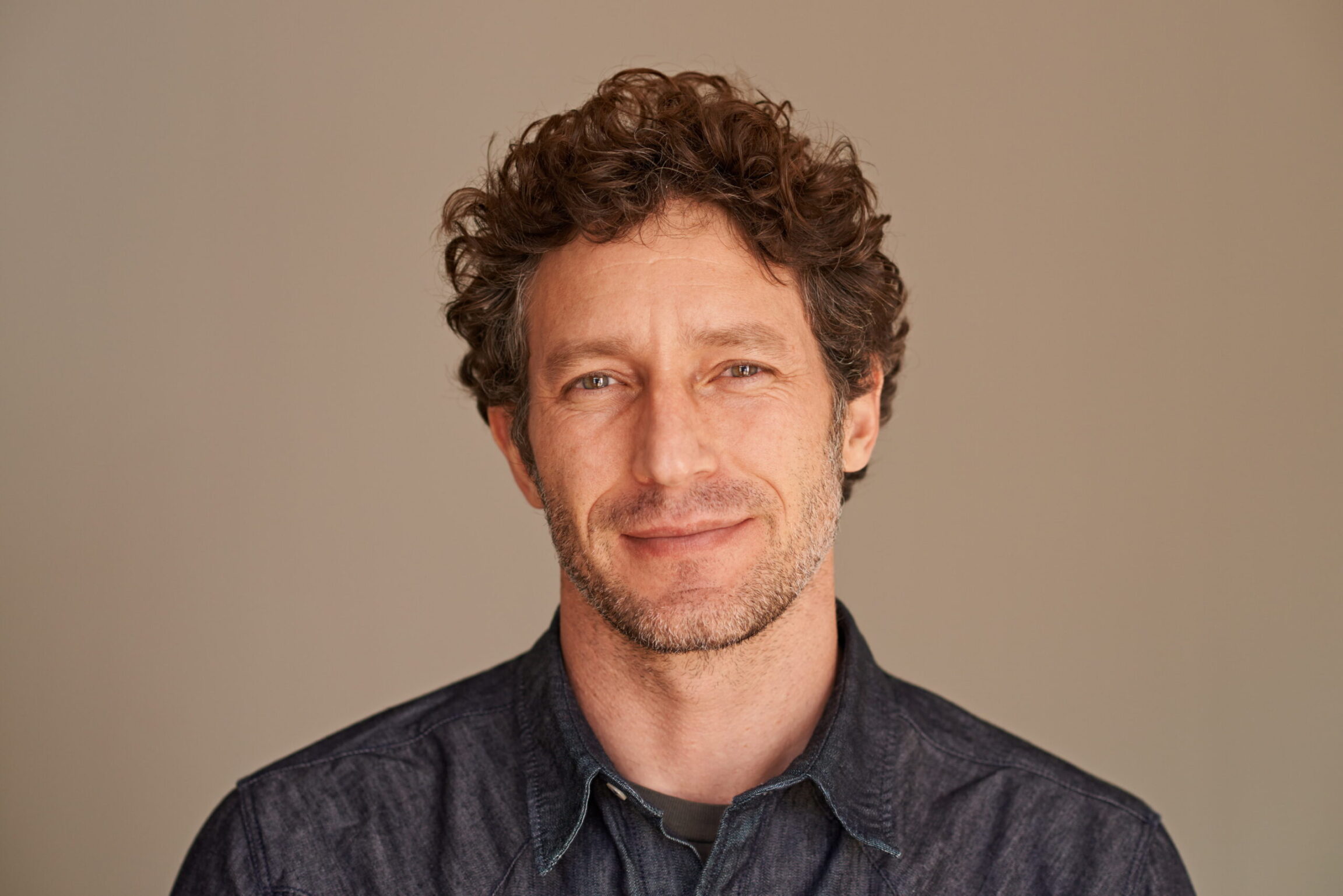
Chin Implant/Augmentation Surgery
Chin implant surgery (sometimes referred to as “chin augmentation”) involves placing an implant around your natural chin bone to create a more prominent and defined jawline. This procedure can significantly enhance the jaw’s structure, providing a more balanced and masculine facial profile.
Facelift & Neck Lift Surgery
Both facelift and neck lift surgeries tighten the skin and underlying tissues near the chin and jaw. By removing excess skin and repositioning fat and muscles, these surgeries can elevate the jawline, giving you a more youthful and sculpted appearance.
Nonsurgical Solutions
Kybella
Kybella is an injectable treatment that dissolves fat cells under the chin, reducing the appearance of a double chin. This nonsurgical solution helps to make the jawline appear slimmer and more defined by taking away what could be covering up your natural features.
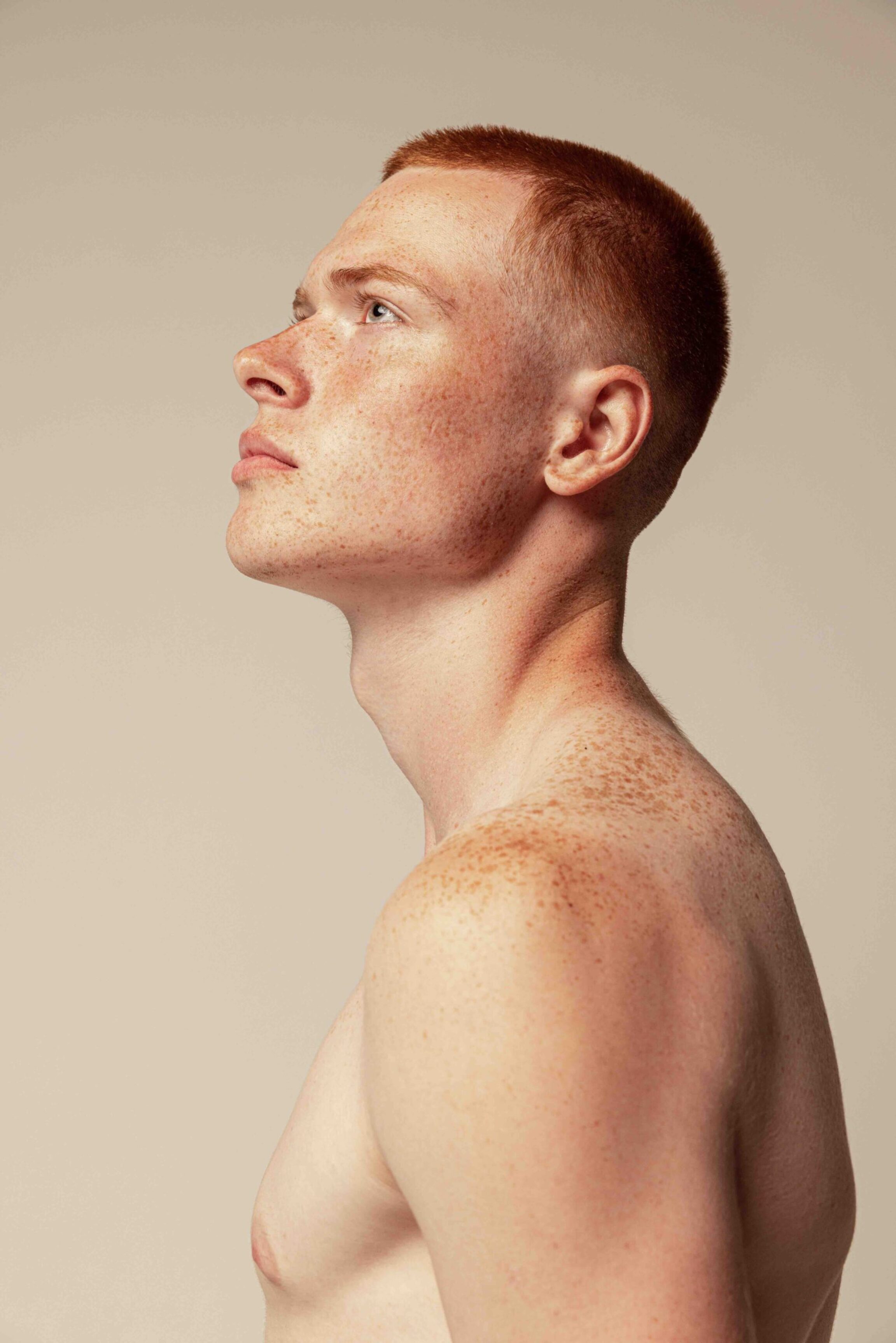
Filler Injections
Dermal fillers can be strategically injected along the jawline to add volume and enhance its shape. This minimally invasive procedure can provide immediate results, refining the jawline’s contours and improving facial balance.
CoolSculpting For The Chin
CoolSculpting is a noninvasive procedure that uses controlled cooling to freeze and eliminate fat cells under the chin. This treatment helps to reduce submental fat without incisions or downtime. Maximum results are most often experienced after two CoolSculpting sessions.
Botox for Jaw Enhancement
Wrinkle relaxers can be used to enhance your jawline and improve the look of a receding chin. An overactive mentalis muscle can cause the chin to appear weak and blunted, but Botox works by acting on the nerves to relax the muscles, preventing them from contracting.
Facial Massage
Regular facial massage can improve circulation and reduce fluid retention in the face. This can be performed routinely by a professional massage therapist or at home as part of your daily skincare routine to maintain a well-defined jawline.

Lifestyle Changes & At-Home Solutions
The following are straightforward DIY techniques and lifestyle interventions that can help improve the jawline look. However, they are not as effective as the surgical and nonsurgical solutions listed above which offer greater, more noticeable and lasting results.
Low-Sodium Diet
A low-sodium diet helps reduce water retention in the body, including the face. By minimizing bloating and puffiness, being mindful of your diet can subtly improve the chin’s appearance.
Adequate Sleep
Proper sleep hygiene is essential for overall health and can significantly impact your facial appearance. Getting enough rest reduces puffiness and promotes better skin elasticity, which can help maintain a defined jawline.

Chewing Gum
As simple as it may sound, chewing gum regularly can strengthen the muscles in your jaw, potentially enhancing the jawline’s definition. This easy exercise can be easily incorporated into your daily routine.
Does Mewing Actually Improve Jawline Appearance?
Mewing involves proper tongue posture, where the tongue rests on the roof of the mouth to promote better alignment of the jaw and teeth over time. Despite its social media buzz, there is no reputable research suggesting mewing as an effective technique at this time.
About The Author
Claire Hinkle, PA-C, is a renowned injectables expert in Columbus, Ohio. As an aesthetic provider at Donaldson, she specializes in a variety of nonsurgical treatments including Botox, filler injections, laser hair removal and more. When she isn’t performing these procedures, she can be found working one-on-one with patients, helping them to better understand the range of solutions to achieve their aesthetic goals and improve overall skin health.
Related Articles

Read More Is Every Man On TRT Right Now?
Is Every Man On TRT Right Now?
Get a closer look at the recent rise in testosterone replacement therapy: the benefits, the potential risks & when testing or treatment is appropriate — straight from our hormone experts.

Read More What Happens During A Halo Treatment
What Happens During A Halo Treatment
Halo skin resurfacing addresses a number of skin concerns, from fine lines to texture issues. As you consider Halo, we wanted to first walk you through everything that happens during a treatment.
Read More Morpheus8 Aftercare
Morpheus8 Aftercare
Morpheus8 is an incredibly versatile treatment that can address a variety of skin concerns. Learn more about you can expect from Morpheus8 aftercare to reduce downtime and improve your results.
By Claire Hinkle, PA-C |

Botox In The Trapezius Muscle Can Provide A Slimmer Shoulder Look
TrapTox (sometimes referred to as “Shoulder Slimming Botox”) is a non-surgical procedure that involves injecting Botox into the trapezius muscle in an effort to achieve a leaner upper frame and relieve the appearance of a “hunchback.” This unique technique has gained popularity for its ability to target and relax the muscles responsible for a bulkier, more pronounced and sculpted shoulder appearance.
Why Has TrapTox Gained Popularity?
This treatment has seen a recent increase in demand since gaining viral notoriety on TikTok. Users create before and after videos showcasing their individual 3 – 4-week journey. These users often boast positive results along with their rationale for opting for this treatment, ranging from nerve pain management to a smaller and more feminine appearance.
How Does TrapTox Work?
The TrapTox technique uses botulinum toxin (Botox) to selectively relax and slim down the muscles in the shoulder region. By injecting Botox into specific muscle groups, TrapTox aims to reduce the prominence of shoulder muscles, resulting in a more refined and elegant appearance.
This non-surgical approach offers an alternative to traditional methods, such as invasive surgeries or restrictive dieting for those seeking a more delicate shoulder contour.
What Happens At A TrapTox Appointment?
The Initial Consultation
Everything begins with an initial consultation to ensure that you qualify for this treatment. Together, you and your provider will explore your medical history, discuss your goals and establish expectations.
Based on your candidacy, anatomy and desired outcome, the provider will establish a tailored TrapTox treatment plan for you. The plan includes the targeted muscle groups, recommended dosage, and an overview of the expected results.
The Botox Injection Session
During the in-office treatment session, the provider will administer Botox injections directly into the identified shoulder muscles in concurrence with your custom treatment plan. The injections are strategically placed to selectively slim down the muscles responsible for the bulkier appearance.
The procedure is typically quick, with minimal discomfort reported by most patients.
Recovery & Results
Following TrapTox treatment, patients can resume their daily activities without significant downtime. It is common to experience mild redness, swelling or bruising at the injection sites, which usually subsides on its own within a few days. You should avoid strenuous exercise, alcohol and caffeine for the first 24 – 48 hours after your session to ensure the most efficient recovery.
The effects of TrapTox gradually manifest over several weeks, with optimal results becoming noticeable within 4 to 6 weeks.
TrapTox Results: Considerations & What To Expect
- This is a temporary treatment: TrapTox results are not permanent and typically last between 4 to 6 months. To maintain the desired shoulder slimming effects, individuals may need periodic touch-up sessions. However, some patients are able to preserve their results for longer periods of time due to lifestyle changes.
- Every body is different: The physical response to TrapTox can vary among individuals due to differences in muscle anatomy and metabolism. It is essential to have realistic expectations and discuss potential outcomes with a qualified injector during your consultation.
- Safety & expertise considerations: TrapTox is an advanced injection technique and should only be performed by experienced healthcare professionals who are well-versed in administering Botox. Ensuring the provider’s qualifications and adherence to safety protocols is crucial to mitigate risks and achieve desirable outcomes.
About The Author
Claire Hinkle, PA-C, is an expert aesthetic treatment provider at Donaldson Plastic Surgery. She specializes in a variety of nonsurgical treatments, including fillers, laser therapy and Botox injections. Claire combines her calming bedside manner with her passion for learning the latest concepts in the industry to improve the confidence of her patients on a daily basis. She currently performs TrapTox in Columbus, Ohio.
Related Articles

Read More Most Common Skin Concerns of 2025
Most Common Skin Concerns of 2025
Fine lines. Wrinkles. Skin tags? See what the top skin concerns of 2025 were, based on real Donaldson Plastic Surgery data!

Read More The Most Frequently Asked Questions of 2025
The Most Frequently Asked Questions of 2025
Our practice showed up in more than 5,914,393 online searches! These are the most frequently asked questions we were asked throughout the year, along with their answers.

Read More Ways To Treat Seasonal Affective Disorder
Ways To Treat Seasonal Affective Disorder
A functional medicine approach to daily life, along with some aesthetic treatments, can be leveraged to treat symptoms associated with SAD.
By Claire Hinkle, PA-C |
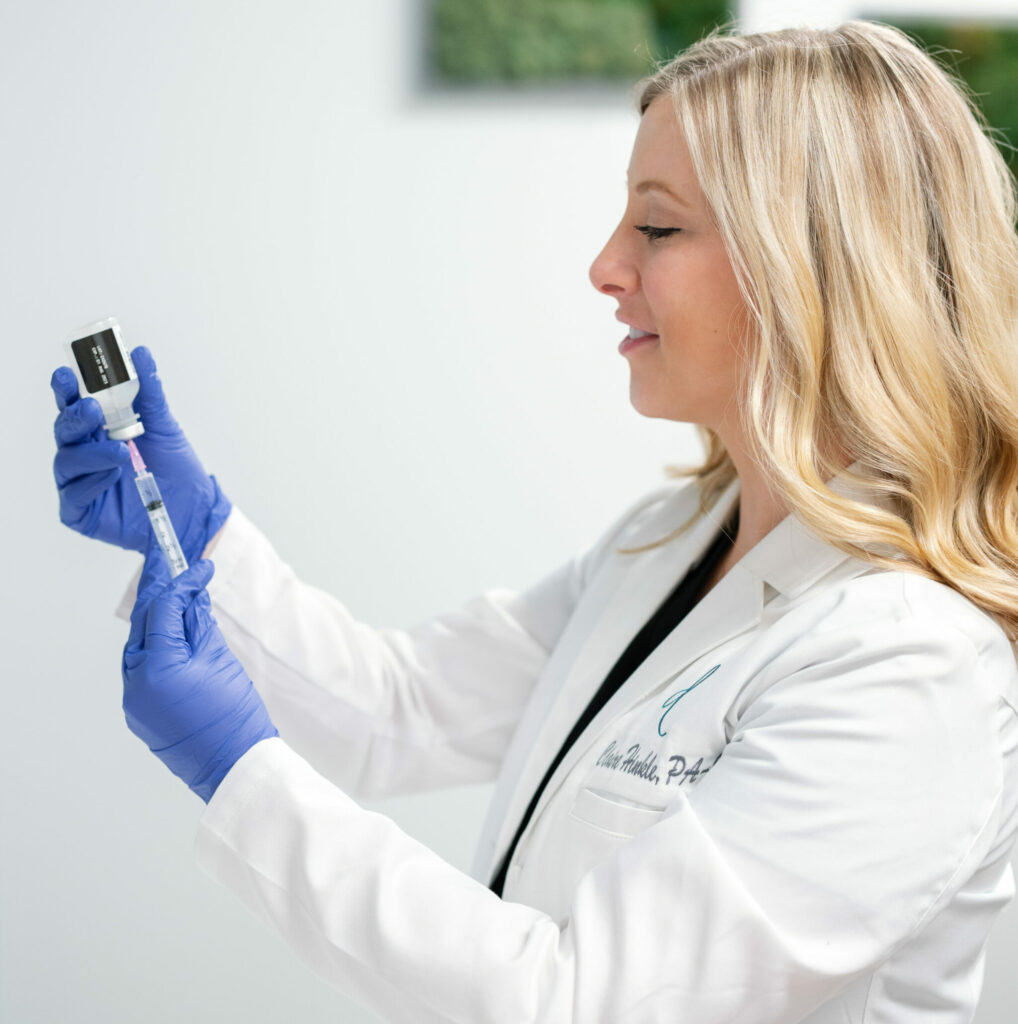
Answers To The Common Question: Can I Work Out After Botox?
Exercise after Botox — among other strenuous activities — should be avoided for at least 6 hours after treatment. Our providers recommend abstaining from intense exercise for 24 hours after Botox injections. This gives the neuromodulator an opportunity to settle into place and the skin gets enough time to heal.
If a patient insists on exercising on the same day as the treatment, we urge them to keep the intensity low. A brisk walk to get the heart rate up or yoga poses can be OK, but the patient should abstain from sweating as much as possible. Following this recommendation for at least a day can prolong cosmetic results.
“The earliest stage after your session is important. If you’re going straight from our office to the gym for a high-intensity workout, there’s potential that you will run through the Botox faster. We want you to get as long as you can out of your treatment!”
– Claire Hinkle, PA-C
What Else Should I Avoid After Botox? (Up To 24 Hours)
- Direct sunlight
- Other forms of heat exposure, including hots, saunas and tanning beds (up to 48 hours after)
- Touching the treated area
- Exfoliating washes
- Facial treatments, including facials, massages, permanent makeup
- Wearing hats or any coverings that come in direct contact with the treated area
- Alcohol (24 hours before and after treatment)*
*Alcohol can potentiate any natural bruising that occurs and negatively impact the healing process
Does Exercise Impact The Longevity Of Botox Results?
Yes. While the longevity of Botox varies from person to person, routine sweating can shorten the lifespan of results. Greater circulation to the face that comes with rigorous exercise, along with increased light abrasions (like wiping away sweat) can cause the body to metabolize the material faster.
Coincidentally, Botox can also be used to treat Hyperhidrosis (or “Excessive Sweating”). By blocking the nerve signals responsible for sweating, the sweat glands’ ability to produce too much sweat is throttled but not completely cut off.
How Long Do Botox Results Typically Last?
Full Botox results can take up to 2 weeks to take full effect and should last until about the 8 – 10 week mark when you start to see minor movement returning. If movement comes back, this can be related to stress, exercise or your body’s natural metabolism. Your best results are maintained if you consistently retreat with Botox. We advise patients to prebook their next appointment in 12 weeks to ensure they stay on an optimal schedule.
About The Author
Claire Hinkle, PA-C, is a renowned aesthetic provider at Donaldson Plastic Surgery who specializes in Botox injections and lip filler. With rich experience in both nonsurgical procedures and post-surgical recovery, she brings a truly holistic approach to the cosmetic treatments she performs each day. Claire strives to help patients safely achieve their desired results — and to hold onto those results even longer.
Related Articles

Read More Most Popular Neurotoxin of 2025
Most Popular Neurotoxin of 2025
See which wrinkle relaxer solution our patients were treated with most throughout 2025!

Read More Episode 3: Botox, Fillers & The Art of Facial Harmony
Episode 3: Botox, Fillers & The Art of Facial Harmony
Carrie & her crew break down the science, artistry & possibilities of medical-grade skincare, injectables & cutting-edge treatments more women should know about.

Read More Episode 2: Diet & Beauty Trends
Episode 2: Diet & Beauty Trends
In this episode, our experts are calling out the biggest myths in your feed & giving you real advice to protect your skin, hormones & relationship with food.
By Claire Hinkle, PA-C |
The Benefits Of Adding Platelet-Rich Plasma To Your Next Skin Treatment
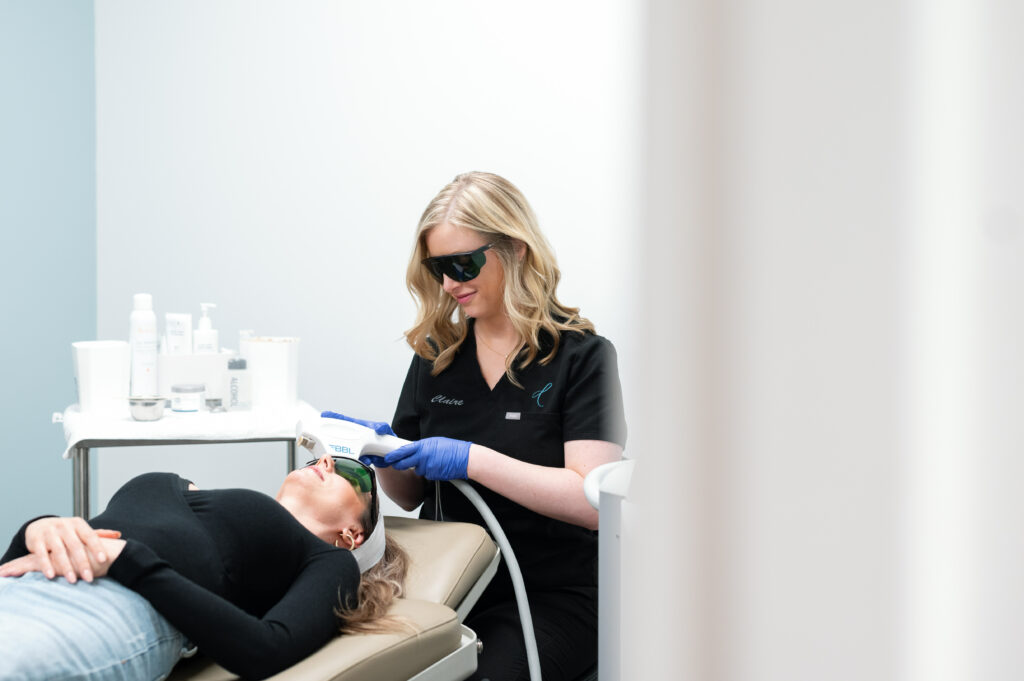
Laser therapies (like Halo, BBL, skin resurfacing and acne scar reduction) have proven effective for patients seeking advanced skincare solutions that go beyond an over-the-counter product. We’re going to dig deeper into the benefits of adding PRP for laser treatments to a session, along with how this upgrade can improve the overall patient experience by reducing the recovery period, improving aesthetic results and bolstering those amazing results.
What Is Cosmetic PRP?
Platelet-rich plasma (PRP) has become an increasingly popular addition to aesthetic skin treatments due to its ability to naturally enhance the healing process and improve overall cosmetic outcomes. PRP involves using the patient’s own blood to extract nutrient-rich platelets, which are then concentrated and injected back into the body or placed onto the skin after the treatment is completed.
PRP has been successfully used in various medical fields, including sports medicine, sexual wellness, orthopedics and hair restoration, and is now being incorporated into laser skin treatments.
“The PRP is all the good stuff — all of the growth factors that stimulate collagen production, promote cell growth, efficiently repair the micro-injuries made during the treatment and help those results really shine after the recovery process.”
-Claire Hinkle, PA-C
Growth Factors Found In Platelet-Rich Plasma:
- Platelet Derived Growth Factor (PDGF)
- Transforming Growth Factor (TGF)
- Vascular Endothelial Growth Factor (VEGF)
- Epidermal Growth Factor (EFG)
- Insulin-Like Growth Factor (IGF)
- Fibroblast Growth Factor (FGF)
What Treatments Can Benefit From PRP?
- Halo laser skin resurfacing
- diVaTyte
- Microneedling
- Morpheus8 skin tightening
- Post-surgery scar reduction
Does PRP Reduce The Recovery Time For Laser Treatments?
Yes. Recent research indicates that properly timed PRP usage can aid in cell regeneration and wound repair processes after laser treatments and microneedling. It can also minimize adverse symptoms, including erythema, edema and crusting.
Does PRP Improve Laser Treatment Results?
Yes. Limited studies have shown that fractional carbon dioxide lasers, combined with platelet-rich plasma treatments, resulted in a significant increase in patient satisfaction with their cosmetic results, specifically when it comes to combatting photoaging and treating wrinkles.
Can It Preserve Those Results Longer?
There is not much in the way of published academic studies when it comes to PRP’s effect on the longevity of results. However, our providers have seen, first-hand, longer-lasting positive outcomes when PRP was added to treatment. This could be due to the plasma’s healing properties and growth factors, but this could also be correlated with patients who are more dedicated to their skincare regimen and tend to strictly adhere to post-treatment protocols designed to preserve results.
How Long After A Laser Treatment Is PRP Added?
For maximum efficacy, providers apply platelet-rich plasma to the treated area and massaged it into the skin almost immediately after the treatment is completed. The PRP is left to sit for about 20 minutes. A soothing balm may then be applied to help reduce swelling and improve comfort.
Patients Should Avoid PRP If They’ve Been Diagnosed With:
- Skin cancer in the desired treatment area
- HIV/AIDS
- Hepatitis C
- Blood cancer
- Any cardiovascular disease that requires blood thinners
About The Author
Claire Hinkle, PA-C is an esteemed aesthetic provider at Donaldson Plastic Surgery. Her nonsurgical specializations include laser skin therapies, Botox and filler injections. Claire has spent more than 7 years immersed in the world of plastic surgery and head and neck surgery recovery, assisting thousands of patients through this vulnerable time in their lives. With her rich history in the postoperative experience, she aims to help even more patients recover faster and bolster their cosmetic outcomes.
Related Articles
Read More The Art Of Aesthetic Biohacking
The Art Of Aesthetic Biohacking
You can enhance your look by "hacking" your biology through nonsurgical treatments that use the body's own growth factors to adjust your appearance, while also adding specific vitamins and minerals into your daily regimen to replenish what you may be missing.
Read More How To Regrow Your Hair Without A Transplant
How To Regrow Your Hair Without A Transplant
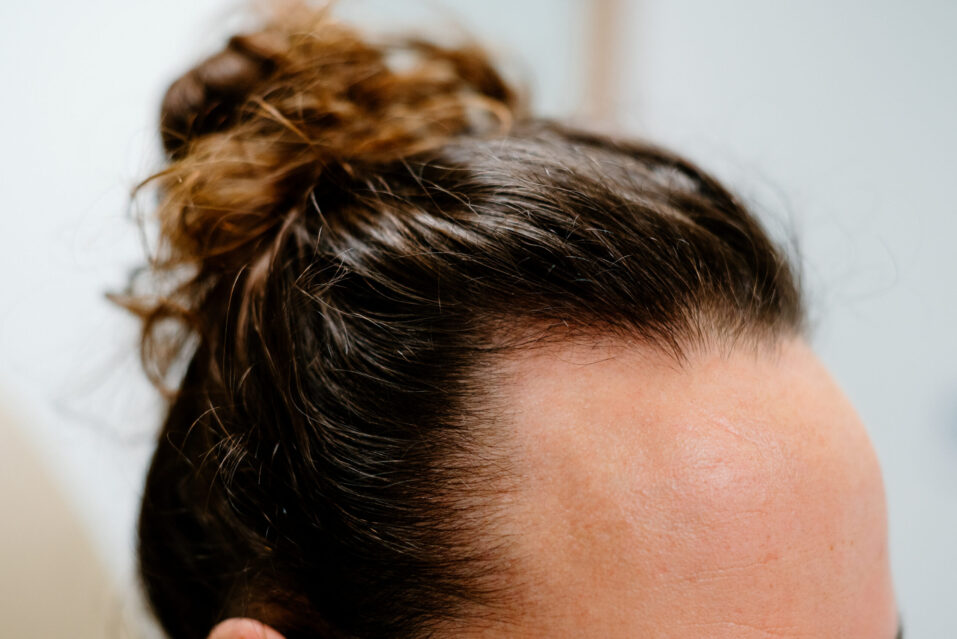
PRP injections, prescriptions medications and medical-grade nutrition supplements can be combined as a nonsurgical solution to regrowing and retaining existing hair.

Read More Cosmetic Treatments For Darker Skin Tones
Cosmetic Treatments For Darker Skin Tones
There are a number of cosmetic treatments that are safe for dark skin — including Morpheus8 & PRP for hair restoration. However, certain laser procedures should be avoided.