



Blepharoplasty Columbus, Ohio
Get Natural-Looking Results With Eyelid Surgery
Excess skin around the upper or lower eyelids can lead to puffiness, sagging, or even impair your vision. Blepharoplasty — also known as “eyelid surgery” — helps restore a brighter, more youthful appearance by carefully removing or repositioning this tissue. Dr. Michelle Sieffert specializes in this precise procedure, delivering results that look refreshed, natural and never overdone.
Meet Dr. Sieffert: Your Skilled Blepharoplasty Surgeon
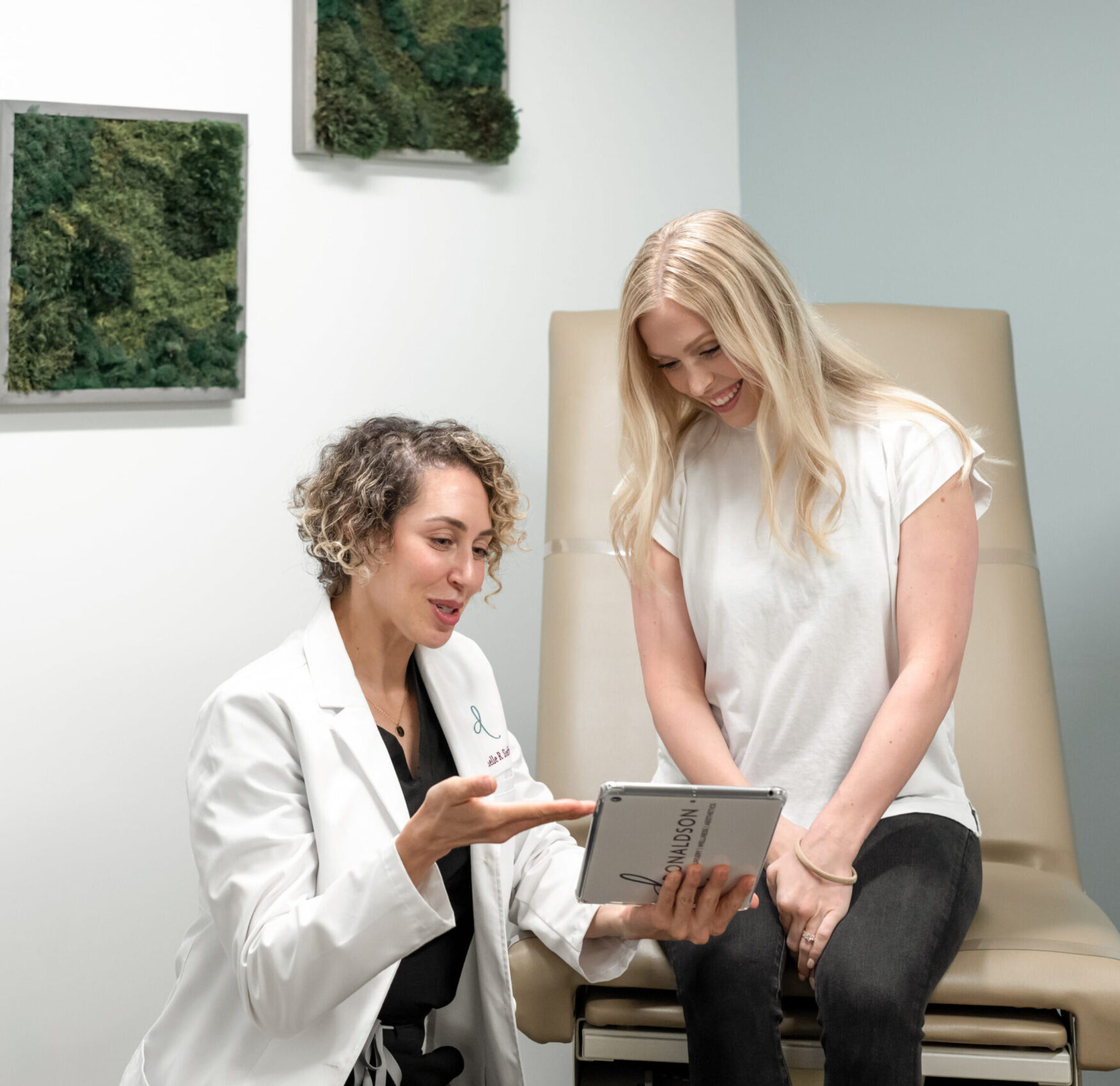
Dr. Michelle Sieffert is a board-certified plastic surgeon who specializes in facial procedures, including both upper and lower blepharoplasty. Known for her meticulous technique and honest communication style, she will take the time to understand your goals and recommend the approach that’s right for you — whether it’s eyelid surgery or a combination of treatments for a more complete result.
Patients often describe Dr. Sieffert as both intelligent and compassionate. Her hand-selected surgical team reflects this same professionalism and kindness, offering unwavering support before, during and after your procedure. From initial consultation to your post-operative care, you’ll be treated with the respect and clarity you deserve.
Eyelid Lifts Can Be Divided Into Upper & Lower Procedures
Upper Eyelid Sugery
Upper eyelid surgery — or upper blepharoplasty — targets sagging skin, muscle laxity and excess fat above the eyes. By precisely removing or repositioning this tissue, the procedure helps you achieve a more open, rested and youthful look. It can also improve peripheral vision in cases where the eyelids have begun to obstruct sight.
Lower Eyelid Surgery
Lower eyelid surgery — or lower blepharoplasty — addresses puffiness, under-eye bags, fine lines and the appearance of “chronic fatigue.” This technique reduces excess skin and fat to smooth the area beneath the eyes, restoring a firmer, more refreshed aesthetic without overcorrecting or creating a hollow look.
Frequently Asked Questions
-
Recovery after blepharoplasty is generally quick and well-tolerated. Whether you’re having upper or lower eyelid surgery (or both), you can expect some swelling, bruising and sensitivity to light for the first 1 – 2 weeks. Mild discomfort is common but easily managed with oral pain medication.
If you’ve had an upper blepharoplasty, dissolvable or removable sutures are typically taken out in the office about one week after surgery. Most patients feel ready to return to social activities in 10 – 14 days. You can resume wearing contact lenses when it feels comfortable, and eye makeup is usually fine after sutures are removed.
-
Blepharoplasty is performed as an outpatient procedure by Dr. Sieffert, typically under local anesthesia with sedation or general anesthesia, depending on your needs and preferences.
Upper Eyelid Surgery:
This procedure involves a small incision made within the natural crease of the eyelid. This allows Dr. Sieffert to remove or reposition excess skin, muscle and fat to create a more defined eyelid contour while keeping the scar virtually invisible once healed.
Lower Eyelid Surgery:
The approach for this procedure depends on your anatomy and aesthetic goals. If there is loose skin or bulging fat, a tiny incision is made just beneath the lash line to address both. In cases where only fat redistribution is needed, Dr. Sieffert may use a transconjunctival technique, making the incision inside the eyelid — leaving no external scar.
Each procedure is customized to your facial structure, skin quality, and desired outcome to ensure natural-looking, long-lasting results.
-
No, not always. Blepharoplasty can be safely performed under local anesthesia with light sedation, which keeps you relaxed and comfortable throughout the procedure without “going fully under.” This is a common option for patients having upper eyelid surgery on its own.
However, general anesthesia may be used if you prefer it or if Dr. Sieffert determines it’s the best fit based on your needs and overall health. She will walk you through all options during your consultation and help you choose the most appropriate, safest approach for your comfort and peace of mind.
-
You may be a good candidate for eyelid surgery if you’re experiencing:
-
Sagging upper eyelids that interfere with your vision
-
Puffy fat deposits that have erased your natural upper lid crease
-
Under-eye bags or dark circles that make you look tired, even when you feel rested
-
Excess lower eyelid skin causing wrinkles or a shadowed appearance
An upper blepharoplasty can restore a more alert and youthful look — and in some cases, improve peripheral vision. A lower blepharoplasty helps reduce puffiness and smooth the under-eye area for a fresher, more rejuvenated appearance.
-
-
Out of about 7,700 reviews on RealSelf.com, 94% of patients find the blepharoplasty is worth it! At first glance, this procedure may sound a little scary since it addresses such a sensitive area. However, blepharoplasty is a very safe and straightforward procedure, and recovery may be easier than you expect.
Dr. Sieffert will help you through the whole process, and ultimately, help you achieve the results you desire.
-
As we age, the skin around the eyes gradually loses elasticity. Combined with the effects of gravity, this can cause the upper eyelids to droop and the lower lids to appear puffy or shadowed. Genetics, sun exposure and lifestyle factors like poor sleep and chronic stress can also contribute.
-
Blepharoplasty results are long-lasting but no cosmetic procedure can fully stop the natural aging process. Most patients enjoy the benefits of eyelid surgery for 10 to 15 years or even longer, especially when combined with good skincare, sun protection and a healthy lifestyle.
Upper eyelid surgery may eventually require a touch-up as the skin continues to age, while lower eyelid results tend to last longer.
-
Blepharoplasty is a great way to enhance your eyes, but sometimes your results may be reached by a combination of treatments. Sometimes it can be hard to tell what part of the face is causing the deflated or hollowed appearance. For example, droopiness of the eyelids may originate from the eyebrows or forehead rather than just the eyelids.
Eyebrow lifts, mini facelifts and facelifts are all options that can be combined with an eyelid lift to help you get that lifted look. Based on your goals and physical anatomy, Dr. Sieffert will explain each procedure along with the pros and cons of each for you to make your informed decision.
We also offer a variety of non-surgical and aesthetic treatments to further brighten the eye area to give you a more youthful look and enhance your results.
Schedule Your Blepharoplasty Consultation in Columbus, Ohio
As we age, the delicate skin around the upper and lower eyelids can start to sag, creating a tired or aged appearance that may not reflect how vibrant you feel inside. If you’re considering eyelid surgery in Columbus, Dr. Michelle Sieffert and the Donaldson team are here to help.
More From Our Experts
Read More Best Aesthetic Treatments To Enhance Your Eyes
Best Aesthetic Treatments To Enhance Your Eyes
An in-depth look at the Top 9 best aesthetics treatments to enhance the eyes, including cosmetic tattooing, filler injections & microblading.

Read More What Are “Tweakments?”
What Are “Tweakments?”
"Tweakments" are less intense, nonsurgical treatments designed to highlight existing features, create facial optimization and provide a refreshed, rejuvenated look!
Read More A Complete Guide to Skin Tightening
A Complete Guide to Skin Tightening
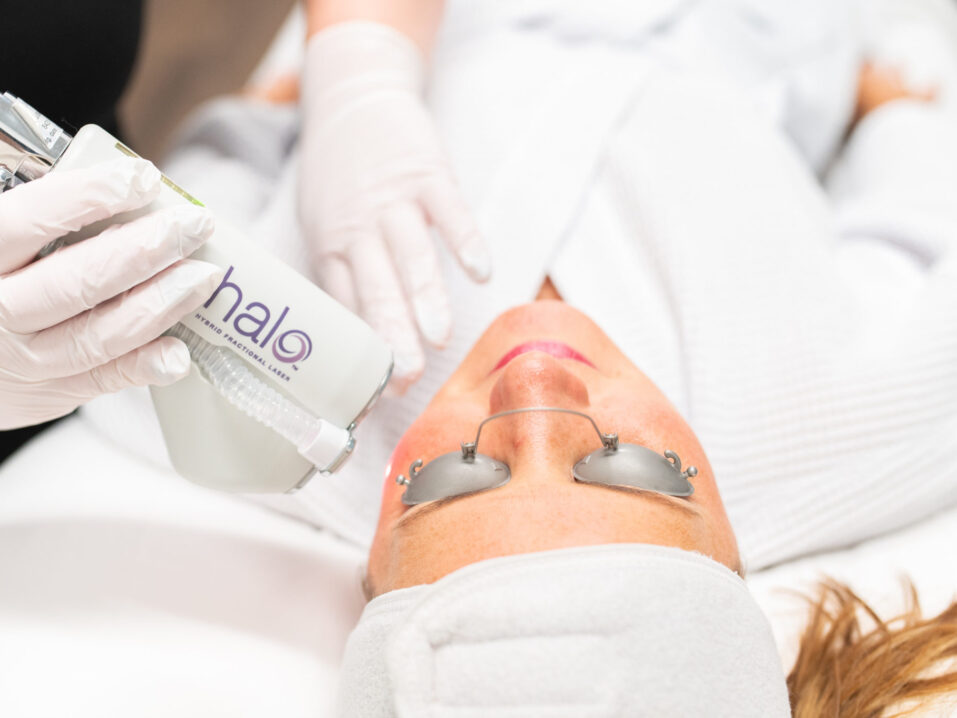
There are many treatment options to tighten loose skin and help you look and feel your best. Read this easy-to-follow guide for all of your skin tightening treatments & procedures.